
What to Expect Before, During and After Robotic Surgery in Mumbai
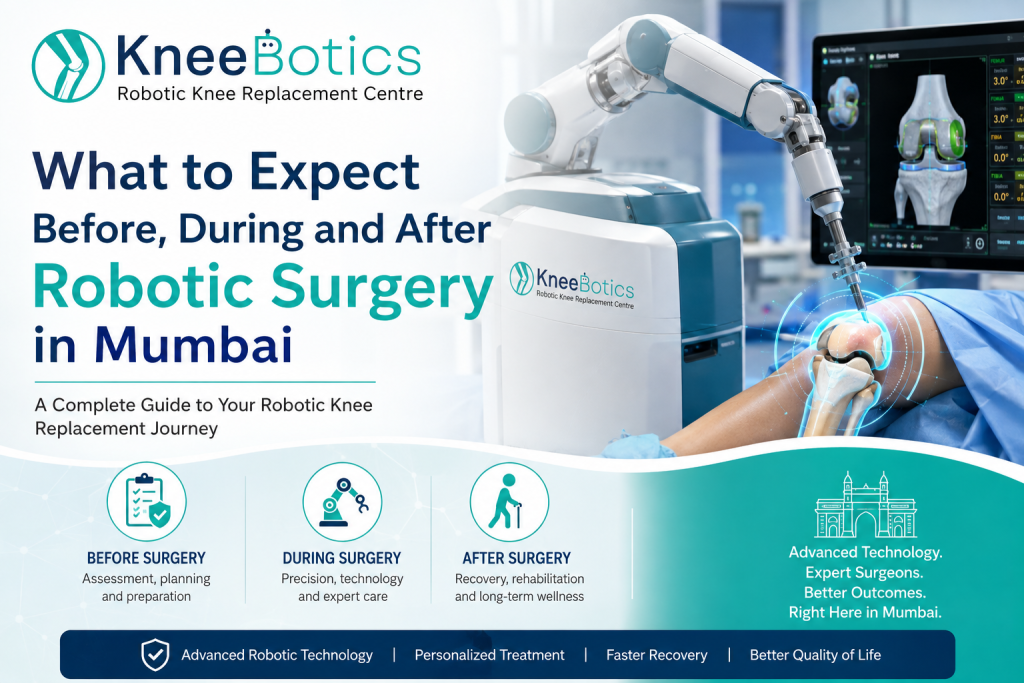
Robotic-assisted orthopedic procedures have transformed the way knee replacement surgeries are performed, offering greater precision, improved alignment, and a more personalized treatment approach. If you’ve been advised to undergo robotic surgery in Mumbai, it’s natural to have questions about what the entire process involves—from your initial consultation to recovery. Understanding each stage of the journey can help reduce anxiety and prepare you for a smoother surgical experience. In this guide, we’ll walk you through what to expect before, during, and after robotic-assisted knee surgery, so you can make informed decisions about your treatment. What Is Robotic-Assisted Knee Surgery? Technology has revolutionized many aspects of surgery and knee replacements are no exception. Combining the latest surgical technologies, images and data control, and advanced robotics has allowed surgeons to maximize the results of a knee replacement surgery. Although many believe that robots perform knee replacements on their own, that is not the case. More appropriately, the rapid response computer technology allows the surgeon to perform an extremely precise and planned surgery. A total knee replacement and a Robotic partial knee replacement in Mumbai with the use of advanced technology allows the surgeon to preserve as much unhealthy bone and tissue as possible and creates the optimal placement of the knee joint prosthesis. Before Robotic-Assisted Knee Surgery A successful outcome of a surgery requires meticulous preparation by the patient and care-giver. Comprehensive Medical Evaluation Your orthopedic surgeon will perform the following evaluations to assess your condition: Physical exam X-ray CT scan (if necessary for robotic planning) Review of medical records Blood work Cardiac assessment, if necessary Assessments will help us determine the most appropriate course of treatment for you and whether robotic-assisted knee replacement surgery is the right intervention for your case. Personalized Surgical Planning One of the key advantages of robotic knee replacement is the level of detail that can go into preoperative planning. Through the use of advanced imaging, the surgical team can create a virtual model of your knee to assist in: Deciding the appropriate size of implants Placing implants in the most optimal position Preserving the most bone with the least removal Achieving optimal alignment of the joint Balancing the soft tissues of the joint The intent of this detailed surgical planning is to improve knee function and increase the longevity of implant. Lifestyle Preparation Prior to surgery, you may be advised to: Do strengthening exercises Improve your diet Quit smoking Control diabetes and sugar levels Review and reduce medicines Pre-plan for departure care to be available for the first several weeks of recovery Investing time to prepare for a healthy recovery after surgery pays off when you have a smoother recovery. What to Expect When You Undergo Robotic Surgery? The day of your surgery will start with an admission to the hospital and preparations by our team. Anesthesia Most knee replacements performed using the robotic technology will use spinal anesthesia with light sedation. Depending on your health conditions, it may be recommended that you have general anesthesia. Surgical Procedure Access the damaged knee joint. Insert the robotic-planned guides/cutters. The system generates real time models of your knee for the surgeon to reference. Robotic tools remove damaged bone precisely to the millimeter. Artificial implants are inserted precisely to the millimeter. The surgeon checks the joint allows for adequate movement. Surgeons remain fully in control throughout the operation. The system helps improve accuracy by giving the surgeon real time feedback. Duration of Surgery Surgery duration is typically between one to two hours and may be longer for complicated surgeries and total knee replacements. After Surgery: Recovery and Rehabilitation The recovery process starts as soon as surgery begins. Immediate Postoperative Care Following the surgery, patients spend a limited time in a postoperative recovery area. During this time, medical staff ensures: Pain is managed Blood flow is adequate Wound is clean Early movement is facilitated Vitals are monitored Many patients stand and walk with assistance within 24 hours post surgery. Hospital Stay Time spent in a hospital or other care facility is individualized based on recovery time. Conducting a knee replacement surgery in a minimally invasive manner using a robot provides: Decreased blood loss Minimized surgical trauma Less pain following surgery and increased movement Speedier recovery and hospital discharge Your orthopedic surgeon will decide when you are healthy enough to be discharged. Physiotherapy: A Critical Part of Recovery Recovery and rehabilitation are equally important to surgery. A comprehensive physiotherapy program aims to: return knee range of motion increase muscle strength increase flexibility enhance balance regain walking ability Most patients are able to return to everyday activities in the weeks to follow. This is under the close supervision of their rehabilitation therapist. Returning to Everyday Activities Recovery is different for each person. This is due to age, existing fitness, other health issues you may have, and the type of knee replacement surgery you had. In general, one can expect that: Supported walking may happen in 1-2 days. Independence is gained the following weeks. Driving may be permitted once you have been cleared. Resumption of low impact activities is recommended by your surgeon. During your recovery you will receive specialized guidance by your health care team. Benefits of Robotic-Assisted Knee Replacement There are general advantages of robotic-assisted knee replacement surgery that make it a popular choice for patients. Improved joint alignment Precise implant alignment Minimized damage to soft tissue An improved functioning knee Improved implant longevity Healthy bone and tissue are preserved While the benefits are broad and patients have very different experiences, robotic-assisted knee replacement is very popular. Is Robotic Partial Knee Replacement Right for You? Not everyone requires a total knee replacement. If your knee only has arthritis in one section, a Robotic partial knee replacement in Mumbai may be the better choice for you. Shorter incisions, less loss of bone stock, more natural motion, quicker healing, and less pain are all possible with partial knee replacements. Your orthopedic surgeon will decide if you qualify clinically and with imaging studies. Selecting
Expert Insights on Robotic-Assisted Surgery from the Best Robotic Surgeon in Mumbai
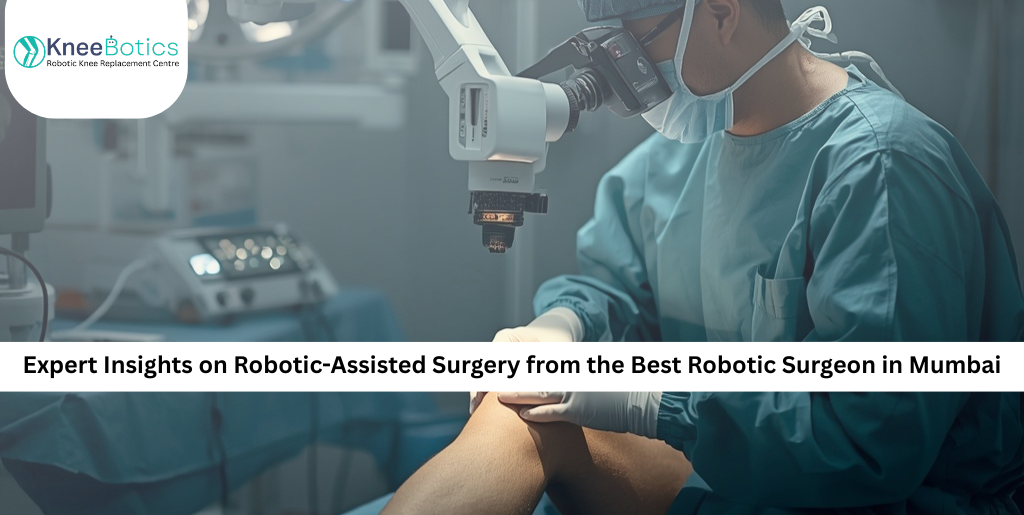
Robotic-assisted surgery has transformed modern orthopaedics by offering exceptional precision, personalized treatment planning, and faster recovery. For patients suffering from severe knee pain, arthritis, or joint damage, robotic technology has made joint replacement procedures safer and more effective than ever before. At robotic surgery in mumbai patients benefit from advanced robotic-assisted techniques led by experienced specialists focused on delivering long-lasting mobility and improved quality of life. Robotic systems are surgeon-controlled and assist with planning and precision—they do not perform surgery independently. What Is Robotic-Assisted Surgery? Robotic-assisted surgery is an advanced surgical technique where a best robotic surgeon in mumbai helps the orthopedic surgeon perform highly accurate procedures. Before surgery, detailed 3D imaging creates a personalized surgical plan. During the operation, the robotic system provides real-time guidance, allowing the surgeon to position implants with exceptional precision. Unlike traditional surgery, robotic-assisted procedures minimize unnecessary tissue damage while improving implant alignment and joint balance. Expert Insights from the Best Robotic Surgeon in Mumbai 1. Precision Is the Biggest Advantage One of the greatest benefits of robotic-assisted surgery is unmatched accuracy. Every patient’s knee anatomy is unique, and robotic technology allows customized surgical planning for optimal implant positioning. Benefits include: Accurate bone preparation Better implant alignment Improved joint stability Longer implant lifespan 2. Personalized Surgery Improves Outcomes Robotic systems analyze each patient’s anatomy before surgery, enabling personalized treatment rather than a one-size-fits-all approach. This customization helps improve: Joint function Walking pattern Natural knee movement Long-term comfort 3. Smaller Tissue Damage Means Faster Recovery Robotic-assisted surgery minimizes unnecessary trauma to surrounding tissues. Patients often experience: Less pain Reduced blood loss Smaller incisions Lower risk of complications Earlier walking Shorter hospital stay Many patients begin walking within 24–48 hours after surgery, depending on their condition and recovery plan. 4. Better Implant Positioning Improper implant alignment is one of the major causes of early implant failure. Robotic technology helps surgeons achieve: Balanced knee movement Accurate implant placement Improved biomechanics Enhanced durability This contributes to better long-term patient satisfaction. 5. Improved Safety During Surgery The robotic system continuously provides real-time feedback throughout the procedure. This allows surgeons to: Avoid unnecessary bone removal Protect surrounding ligaments Improve surgical accuracy Reduce the possibility of alignment errors The surgeon remains fully in control throughout the operation. Who Can Benefit from Robotic-Assisted Surgery? Robotic-assisted knee replacement may be suitable for patients with: Severe osteoarthritis Chronic knee pain Knee deformities Failed conservative treatments Joint stiffness Reduced mobility Previous knee replacement requiring revision surgery A comprehensive orthopedic evaluation determines whether robotic surgery is the right option. Why Choose Kneebotics? Kneebotics combines experienced orthopedic expertise with advanced robotic technology to deliver personalized treatment plans. Patients benefit from: Advanced robotic surgical systems Individualized surgical planning Modern operation techniques Comprehensive rehabilitation guidance Patient-focused care Faster functional recovery The goal is not only successful surgery but also helping patients return to an active, pain-free lifestyle. Recovery After Robotic-Assisted Surgery Recovery varies based on age, health, and rehabilitation commitment. Typical milestones include: Standing within 24–48 hours Walking with support soon after surgery Improved mobility within weeks Gradual return to daily activities Continued physiotherapy for strength and flexibility Following your surgeon’s rehabilitation plan is essential for achieving the best long-term results. Conclusion robotic surgery in mumbai represents the future of orthopedic care by combining advanced technology with surgical expertise. Patients receive personalized treatment, greater precision, improved implant positioning, and quicker recovery compared to many traditional approaches. Choosing an best robotic surgeon in mumbai and a specialized center such as Kneebotics can significantly enhance surgical outcomes and long-term joint function. Frequently Asked Questions (FAQs) 1. What is robotic-assisted knee surgery? Robotic-assisted knee surgery is an advanced procedure where a robotic system helps the orthopedic surgeon perform highly accurate joint replacement using personalized surgical planning. 2. Is robotic surgery safer than traditional surgery? When performed by an experienced orthopedic surgeon, robotic-assisted surgery offers improved precision, better implant alignment, and may reduce tissue damage and recovery time. 3. Does the robot perform the surgery by itself? No. The surgeon remains in complete control throughout the procedure. The robotic system serves as a precision-guidance tool. 4. How long does recovery take? Many patients begin walking within 24–48 hours, while full recovery varies depending on overall health, rehabilitation, and the complexity of the surgery. 5. Who is a good candidate for robotic knee replacement? Patients with severe arthritis, chronic knee pain, joint deformity, or limited mobility that has not improved with non-surgical treatments may be suitable candidates. 6. Are robotic knee replacements more accurate? Yes. Robotic technology assists surgeons in achieving highly accurate implant placement and improved joint alignment. 7. Will I need physiotherapy after surgery? Yes. Physiotherapy plays a vital role in restoring strength, flexibility, and normal knee function after surgery. 8. How long do robotic knee implants last? With proper alignment, quality implants, and regular follow-up care, robotic knee replacements are designed to provide long-lasting results. NAP Information Kneebotics – Robotic Knee Replacement Center Address: Punit Hospital, Punit Nagar, S V Road, Opp Indian Oil Petrol Pump, Near Poisur Bus Depot, Borivali West, Mumbai 400092 Phone: +91-9372737914 Email: info@kneebotics.com Website: https://kneebotics.com Social Media Links Facebook : https://www.facebook.com/kneebotics Instagram : https://www.instagram.com/kneebotics YouTube : https://www.youtube.com/@kneebotics GMB : https://share.google/tRn6dtaTihPFIPWXS
Is Robotic Partial Knee Replacement in Mumbai the Right Choice for You?

Living with knee pain limits your mobility, whether it makes climbing stairs more tedious, forces you to shorten walks, or prevents you from sitting in your favorite positions. If your doctor has suggested “partial knee replacement” and you’ve resorted to searching if the robotic version is worth the investment, we’ve created this document to help you. Below, we’ve listed the most frequent questions that patients have when getting robotic partial knee replacement in Mumbai and have tried to provide the answers as clearly as possible. 1.What is partial knee replacement? The knee consists of three compartments. Osteoarthritis usually attacks one of the three, typically the inner compartment. For patients who only have that compartment affected, the inner compartment can be replaced in a partial or unicompartmental knee replacement. The remaining compartments can then be preserved in a partial knee replacement. Partial knee replacements are less invasive than total knee replacements and can therefore be done with fewer incisions. Q2. How is “robotic” partial knee replacement different from the traditional method? A: There are several differences between traditional and robotic-assisted partial knee replacements. Traditionally, the surgeon would use standard tools and rely mainly on their own eyesight and judgement to determine the correct positioning of the implant. In a robotic-assisted partial knee replacement, a robotic arm is used to assist the surgeon in such a way that the robotic arm is controlled by the surgeon to perform the task of positioning the implant by the arm with a precision of less than a millimeter. Throughout this process, the surgeon remains in complete control of the robotic arm as it does not act on its own. In this sense, the robotic system has the functionality of being an exact and highly precise pair of assisting hands, which essentially significantly reduces the margin of error of the process. At Kneebotics, Dr. Kunal Patel uses the VELYS Robotic-Assisted Solution, which uses imageless technology and does not need a pre-operative CT or MRI to plan the surgeries, making the process easier for the patient. Q3. Am I even a candidate for a partial knee replacement, robotic or otherwise? A: There are a few broad categories of patients who would be considered good candidates for partial knee replacement, robotic or otherwise. Good candidates would be patients who: – Have knee arthritis that is only present in one compartment of the joint as would be seen on X-ray, – Have a preserved anterior cruciate ligament with good knee alignment, – Are of normal weight with consideration for each case, – Have not received significant benefits from medications, etc., and have also failed to receive significant benefits from physiotherapy and knee injection therapy, It should be noted that partial knee replacement is not the best option for patients who have multi-compartment arthritis. In this case, a total knee replacement would be the better option. This is why an X-Ray and clinical evaluation in person are largely preferred over any partial knee replacement candidate checklists that are done on the internet. Q4. What are the real benefits of choosing the robotic method? A: The benefits commonly mentioned include: – Implant positioning/alignment is more precise since the plan accommodates your knee. – Less soft-tissue damage because only the affected compartment is worked on. – Faster recovery and mobilization compared to other invasive methods. – A more functional knee because your ligaments and healthy bone are retained. – Imageless planning because there is no extra CT/MRI scan before the operation. Q5. Does robotic mean automated surgery? Is it safe? A: This is one of the most prevalent myths, and the answer is no. The robotic arm does not make commands or act on its own. The robotic arm follows the surgeon’s commands to a plan that the surgeon lays out. Think of it as a very advanced tool used to assist the surgeon in performing a precise task. Q6. What is the recovery time and how long before I walk normally? A: Exact timeframes depend on the person, but because a partial knee replacement is much less invasive than a total knee replacement, many patients are up and walking with assistance within a day of surgery, and most can walk normally within weeks. Long walks and other lifestyle modifications will also depend on other factors, including the advice of your surgeon and progress during physiotherapy, as recovery will not be based on a general recovery timeline. Q7. What criteria should I use to find the best possible surgeon for this procedure in Mumbai? A: Look for these criteria in a potential surgeon: – Robotic-assisted knee training and experience in addition to traditional knee replacement training and experience – Honest assessments of candidacy for partial vs. total knee replacement. A good surgeon will offer the best option for your knee and won’t offer the newer, more expensive option if it’s not appropriate for your situation. – Openness about costs, the hospitals he or she works with, and the support during rehab after the operation – Verifiable history with patients and good reviews and ratings Dr. Kunal Patel is a Consultant Orthopedic Surgeon and robotic surgery in Mumbai. He trained at TNMC Mumbai and utilizes the VELYS Robotic-Assisted Solution and ATTUNE Knee System, and has affiliations with numerous surgical centers in the city. Q8. Is robotic partial knee replacement more costly than the traditional surgery? A: The procedure being robotic-assisted adds some cost for the technology, however the difference is case, implant, and hospital specific. The good news is that in India, there is some regulation in place for joint replacement surgery costs. The best and most informative option to get an estimate for costs would be to book a consultation with the surgeon. Q9. Is it worth it? A: Robotic partial knee replacement is a great option to consider if you have localized knee arthritis, want to keep the majority of your knee joint, and prefer a highly individualized surgical plan over a generic plan. However, what is “right for me”
Robotic Knee Replacement Surgery in Mumbai: Faster Recovery with Advanced Technology

Any sort of injury or damage to any joint or limb can affect one’s quality of life. Knee pain, specifically, can be debilitating due to osteoarthritis and other forms of age degradation. Thankfully, new forms of orthopedic care have made it possible for patients to receive more cutting edge forms of orthoplasty. Robotic Knee Replacement Surgery in Mumbai is faster, more efficient, and more precise within the range of treatments than traditional techniques. Dr. Kunal Patel employs the use of robotic technology in his practice in providing patients with not only Dr. Kunal Patel the opportunity to lead a functional and active life again, but to improve their overall joint mobility as well. Robotic Knee Replacement Surgery Like many of the new advanced methods of surgery, robotic knee replacement surgery takes the combination of an orthopedic surgeon’s training robotic knee replacement surgery and skill and assists it with the aid of a robotic system. One of the many benefits of this system is the ability for the surgeon to complete a customized surgical plan with the assistance of the robot to give in-situ feedback while operating. One of the many rumors surrounding surgery of this nature is the fear that the robot will be autonomous of the surgeon. This couldn’t be more false, as robotic technology is incorporated in surgery to aid a surgeon’s precision, the control will always remain of the surgeon’s. Robotic Technology is Changing the Game for Knee Replacement Surgery Precision Robotic assisted surgery is one of the few forms of precision surgery. The technology ensures that the placement and cuts made to any bone or joint is mapped to the anatomy of the specific patient. Unlike any other form of surgery, this technology is revolutionary in that it ensures a natural feeling to the joint post-surgery. Personalized Treatment Planning All knees are unique. With the help of robotic technology, surgeons can plan surgical procedures on a patient-by-patient basis, enhancing overall balance and alignment. Better Implant Positioning Robotic technology offers the best chance of getting the implant positioned in the perfect place every time and greatly improves the long-term stability of the joint, while also minimizing the risk of the implant wearing out and other complications. Preservation of Healthy Tissue Robotics helps minimize tissue trauma and, coupled with the other advantages of robotic technology, makes the process of patient rehabilitation and recovery quicker and easier. Benefits of Robotic Knee Replacement Surgery Robotic knee replacement surgery offers a multitude of benefits. Some of these include: – Higher precision of surgery – Improved alignment of joints – Less blood loss during surgery – Less discomfort – Enhanced rehabilitation – Quicker return to normal daily routine – Increased satisfaction of the patient – Better longevity of the implant Because of these benefits, many patients prefer robotic knee replacement surgery over other orthopedic alternatives. Faster Recovery with Robotic Knee Replacement Robotic knee replacement surgery focuses on preserving as much healthy tissue as possible. This is one of the most important reasons patients feel like recovery takes so much less time. Patients experience the following benefits: Reduced Pain and Swelling Because there is so much less disruption to the surrounding tissue, patients feel much less inflammation and post-operative pain. Early Mobility Patients often feel encouraged to walk with the help of others very soon after surgery. This greatly enhances rehabilitation. Shorter Hospital Stay Patients can expect to spend less time in the hospital after surgery because of better surgical precision and recovery protocols. Faster Return to Normal Activities With the right rehabilitation and physiotherapy, you can expect to regain mobility and return to your normal activities in less time than you would be able to after traditional surgery. Who Is a Candidate for Robotic Knee Replacement? You may be a candidate for this procedure if you have: – Severe arthritis in the knee – Chronic knee pain that interferes with your normal routines – Hard time walking, standing or going up and down the stairs – Stiff and less flexible knee joints – Little to no improvement with physical therapy or medication – Drastically reduced mobility An orthopedic assessment will help determine if you are a candidate for robotic knee replacement. Why Choose Kneebotics for Robotic Knee Replacement in Mumbai? Kneebotics specializes in robotic-assisted knee replacement with a patient-centered focus. With the expertise of Dr. Kunal Patel, patients receive: – the most modern robotic surgical systems – customized surgical plans – thorough pre-surgical evaluations – contemporary surgical methods – detailed post-surgical rehabilitation plans – emphasis on recovery and mobility Patients can expect improved outcomes and greater quality of life with the combination of modern technology and experienced surgical care. Preparing for Robotic Knee Replacement Surgery Prior to surgery, many patients have: – Medical history and physical exam – Imaging – Blood work and medical screening – Medication evaluation – Counseling Taking the extra time to prepare helps make the surgery and recovery easier. Life After Robotic Knee Replacement Rehabilitation after surgery is the most important factor in determining how successful the surgery is. The goals of physiotherapy may be to: – Increase the range of motion in the knee – Build muscle strength – Enhance coordination and balance – Improve functional mobility – Maintain healthy joint function After rehab, many patients report less pain and greater mobility for many years. Conclusion Knee replacement surgery has improved dramatically and now offers greater accuracy in knee surgery, faster recoveries, and more individualized patient care. Patients with chronic knee pain and restricted mobility are excellent candidates for robotic surgery in Mumbai to gain a greater quality of life and to enhance daily functioning. At Kneebotics, Dr. Kunal Patel integrates modern technology with orthopedic expertise to personalize advanced knee replacement surgery for every patient. Frequently Asked Questions (FAQs) 1.What is robotic knee replacement surgery? Robotic knee replacement surgery is the first step in a highly advanced knee replacement surgery that integrates robotic technology to assist the surgeon. 2.How is robotic knee replacement surgery different
Why Choose Robotic Surgery in Mumbai for Modern and Effective Treatment

Technology has made healthcare more effective. Surgeries have become less invasive, more precise, and heal faster. One of the most important advances in healthcare is in robotic surgery. Robotic surgery is a great option for patients with advanced surgical needs that require even more complex treatments. Robotic surgery in Mumbai is a great modern option for difficult orthopedic surgeries and even for complex joint replacement surgeries. orthopedic surgeries Surgery at Kneebotics uses robotic technology along with the skills of some of the best orthopedic surgeons. This combination of highly skilled surgery technology helps us achieve optimal joint alignment with a shorter surgical time and a more accurate and effective long-term outcome. What Is Robotic Surgery? Robotic surgery is one of the most advanced methods of performing surgery. This method is highly accurate and is made possible with the aid of computers and technology. One of the many misconceptions people may have about robotic surgery is that the robot performs the surgery alone. This is not true. In fact, robotic technology helps the surgeon with the planning and execution of the surgery by providing greater control over the operation. Robotic systems also have the ability to create a 3D model of the joint that needs to be operated on. This helps to further customize the procedure and allow for the optimal placement and alignment of surgery implants. Advantages of Robotic Surgery For the most part, the advantages of robotic surgery can be summed up in a single word. That is the precision of the surgery. When it comes to joint replacement surgeries, the accuracy of the positioning of the implant joint replacement surgeries greatly affects not only the success of the surgery but also the longevity. Personalized Treatment Planning Using robotic technology, surgeons can design a plan for each patient based on their specific anatomy, and engage in a more personalized treatment solution. Smaller Incisions Robotics-assisted surgery generally requires smaller surgical openings, which leads to less damage to the body and pain after the surgery. Faster Recovery Patients are more likely to experience a quicker return to normal daily activities. Reduced Risk of Complications More precise surgery reduces complications and increases the satisfaction of the patient with the results. Why Mumbai Is a Preferred Destination for Robotic Surgery Mumbai has some of the best health care and the best medical professionals in India. Patients from all over the country and even abroad come to Mumbai for robotic surgery due to: – Cutting edge medical technology – Robotic surgery experts – Good patient care – Good hospitals – Better prices compared to other countries Robotic Knee Replacement at Kneebotics Kneebotics performs robotic-assisted knee replacements to provide a modern solution for patients suffering for a long time with pain and loss of knee mobility. The robotic system at Kneebotics enables surgeons to: – Plan surgery in an individualized way – Precisely place an implant – Conserve bone and soft tissue – Benefit functional improvement and alignment of the joint – Ensure the implant’s longevity With this solution, patients obtain the opportunity to once again appreciate the activities of their daily life, and enjoy life more. Who Can Benefit from Robotic Surgery? Here is a list of conditions for which robotic-assisted orthopedic procedures can be used: – Severe arthritis of the knee – Chronic pain in the joints – Difficulty performing daily activities – Joint deviation – Unsuccessful conservative treatments An evaluation along with a detailed consultation can help determine if robotic-assisted orthopedic procedures can be an option for your condition. What to Expect During the Procedure Typical steps in robotic-assisted surgery include: Detailed medical assessment Advanced imaging with surgical design Robotic surgery Recovery with rehabilitation Evaluation of surgical results Each patient is offered individualized instruction throughout every step of the treatment process. Why Choose Kneebotics? At Kneebotics, a unique combination of orthopedic expertise blended with state-of-the-art robotics technology is used to fulfill the needs of our patients. The center is focused on offering: – Innovative robotic surgery – Customized care – Next-generation joint replacement – All-inclusive rehabilitation – Therapy and care tailored to the patient Our vision for patients is an improvement of function, a decrease in pain, and an enhancement of the quality of life. Conclusion Robotic surgery transforms modern orthopedic care by offering an advanced level of personalization, enhanced precision, and improved recovery. For patients in need of progressive best robotic surgeon in Mumbai , Kneebotics offers the best technology and expertise for exceptional results. Robotic-assisted procedures can improve activity and ease discomfort from chronic knee pain or help patients considering joint replacement surgery in an easier and more effective manner. NAP Information Kneebotics – Robotic Knee Replacement Center Address: 101-A, Pancharatna Apartments, Opera House, Mumbai, Maharashtra 400004 Phone: +91 93217 76747 Social Media Links Facebook: https://facebook.com/kneebotics Instagram: https://instagram.com/kneebotics YouTube: https://youtube.com/kneebotics twitter: https://x.com/drkunalpatel Frequently Asked Questions 1.Is robotic surgery safer than traditional surgery? When performed by skilled surgeons, robotic surgeries improve patient outcomes and are less likely to have errors due to increased robotic maneuverability and precision. 2.How long does recovery take after robotic knee replacement? Recovery is extremely variable between each patient, but many individuals note that they can begin rehabilitation and start moving sooner when compared to traditional surgery. 3.Does the robot perform the surgery on its own? No, the robotic system merely aids the surgeon, and full control is maintained by the surgeon throughout the entire operation. 4.Who is eligible for robotic knee replacement surgery? Potential candidates typically have arthritis, chronic knee pain, and damaged or limited functioning knee joints, but are first required to have a full medical clearance. 5.Is robotic surgery more accurate than traditional methods? Yes, greater accuracy for the alignment and positioning of the implants is made possible by the assistance of robotic technology during surgery. 6.How do I know if robotic surgery is right for me? Evaluating a surgeon that specializes in robotic surgery is the best way to understand if this surgical approach to meet your healthcare needs is warranted. If you are searching Best
