
Innovators in Action: Mumbai’s Robotic Surgery Trailblazers

Mumbai has become a hub for robotic surgery in India, with surgeons pioneering the use of advanced robotic systems to perform complex and minimally invasive procedures. Robotic surgery allows doctors to operate with enhanced vision, precision, flexibility and control – leading to better outcomes for patients. In this blog, we’ll explore how the best robotic surgeon in mumbai are using robotic surgery to transform medical care. One of the leading facilities is Kneebotics, which houses India’s first da Vinci Xi HD Surgical System. Dr Kunal Patel, best robotic knee replacement in mumbai and head of the robotic surgery department, shares how the technology is revolutionizing surgery. With the da Vinci system’s magnified 3D vision and EndoWrist instruments that bend and rotate far more than the human hand, surgeons can operate through tiny incisions with unmatched control and dexterity. This results in less pain, bleeding and scarring for patients – combined with fewer complications and faster recovery. Dr Kunal, the best robotic knee surgery in mumbai, has performed over 750 successful robotic procedures, including prostatectomies, cystectomies and other urological, gynecological and gastrointestinal surgeries. His expertise has made robotic surgery accessible to more patients in India. The hospital now performs 600-800 robotic surgeries annually, allowing more people to benefit from this cutting-edge technology. Benefits of Robotic Surgery The adoption of robotic knee surgery in mumbai has brought tremendous advantages to both surgeons and patients in Mumbai. Here are some of the key benefits driving its growth: Enhanced Precision and Control The da Vinci system’s 3D HD visualization gives surgeons a highly magnified view inside the patient’s body. Combined with the wrist-like flexibility of miniaturized instruments, this allows for unmatched precision, control and range of motion. Surgeons can operate in tiny areas safely and with ease. Greater Accuracy Robotic systems eliminate the uncontrollable tremors of human hands. The scaled movements and EndoWrist instruments provide steady, accurate maneuvers, helping avoid potential errors and ensuring optimal outcomes. This is especially critical for complex reconstructive procedures. Improved Access and Visualization With robotic surgery, doctors can access hard-to-reach areas using only tiny incisions. The camera provides a crystal clear view of anatomy and tissue in fine detail, at multiple angles. This is invaluable for procedures like prostate cancer surgery. Quick Recovery Smaller incisions mean less tissue trauma for patients. There is significantly less bleeding, pain and scarring after robotic surgery. Patients usually return home within a day or two and can resume normal activities much faster versus traditional open surgery. Shorter Hospital Stays Minimally invasive surgery gets patients back on their feet quicker. Robotic surgery patients at Kokilaben Hospital go home in 24-48 hours on average. Hospital stays are reduced by 50% for certain procedures. This benefits both patients and hospitals. Enhanced Safety and outcomes Robotic surgery offers greater safety, fewer complications and superior outcomes overall. Risk of infections is lower with smaller incisions. Easy access and visualization lead to complete tumor removal and lower recurrence rates in cancer surgeries. Continued technological advances will further improve surgical care. The Future of best robotic surgeon in mumbai Robotic surgery has gained rapid acceptance in Mumbai, transforming care across specialties like urology, gynecology, gastroenterology and more. Dr Patel, best robotic knee replacement in mumbai , notes a promising future as more doctors train on this emerging technology: More hospitals in Mumbai are likely to acquire robotic systems and establish dedicated robotic surgery departments to meet rising patient demand. Surgeon training programs will also expand. Broader use of robotics can be expected for increasingly complex procedures like pancreatic cancer and organ transplants. Robotic kidney transplants are already being performed successfully. Advances in AI, data analytics and navigation may be integrated to take robotic surgery to the next level. This can further boost surgical capabilities. Robotic surgery will become accessible to more patients as costs decrease. Domestic manufacturing and competitive pricing of robotic platforms will drive this trend. Tele-robotics and remote telesurgery may enable robotic procedures over long distances. This can take modern surgical care to remote parts across India. More research on surgical robotics will arise from India’s medical technology ecosystem. This can lead to further technological progression. As Mumbai cements itself as a hub for medical innovation, robotic surgery will continue to evolve and improve patient outcomes. Surgeons like Dr. Patel, the best robotic surgeon in Mumbai, will lead the charge in embracing this transformative technology. Robotic surgery has sparked a revolution in Mumbai’s healthcare landscape. Pioneering doctors have helped make these minimally invasive, cutting-edge procedures accessible to more patients. Use of advanced robotic systems like the da Vinci Xi promises even better clinical care and faster recovery moving forward. Mumbai now spearheads India’s drive to adopt robotic surgery across specialties. This will elevate the standard of medical care to international levels – showcasing India’s healthcare excellence.
Knee Health on a Budget: The Ultimate Guide to Robotic Replacement Costs in Mumbai

Knee Health on a Budget: The Ultimate Guide to Robotic Knee Replacement Costs in Mumbai Knee arthritis is one of the fastest-growing orthopedic conditions in India, affecting millions of people across age groups — and Mumbai is no exception. For many patients, the pain becomes so debilitating that surgery is no longer a choice but a necessity. Yet, the moment the words “knee replacement” are mentioned, the first question is almost always about cost. If you have been putting off treatment because of financial concerns, this guide is for you. Robotic knee replacement in Mumbai has transformed outcomes for thousands of patients, delivering greater precision, faster recovery, and longer-lasting results than conventional surgery. And contrary to popular belief, it does not have to be financially out of reach. This comprehensive guide breaks down every cost factor, explores money-saving strategies, and explains why investing in the right procedure today can save you significant money — and pain — in the long run. What Is Robotic Knee Replacement and Why Does It Cost More? Before diving into numbers, it helps to understand what you are actually paying for. Robotic-assisted knee replacement is not a procedure performed entirely by a robot. Rather, a highly trained orthopedic surgeon uses a robotic arm system — such as Stryker’s MAKO or similar platforms — to execute the surgery with sub-millimeter accuracy. The robotic system maps the patient’s unique anatomy using a CT scan before surgery and provides real-time feedback during the procedure, allowing the surgeon to make micro-adjustments that the human hand alone cannot achieve. Why the Higher Price Tag Is Justified Better alignment: The robotic system ensures the implant is positioned within 1–2 degrees of the ideal alignment, reducing wear and improving longevity. Tissue preservation: Surrounding healthy bone and soft tissue is better preserved, leading to reduced post-operative pain. Faster recovery: Most robotic knee replacement patients walk the same day and are discharged sooner than traditional surgery patients. Lower revision rates: Studies published in peer-reviewed journals have shown that robotic-assisted procedures have significantly lower rates of implant revision surgery within 5–10 years. The additional cost is partly driven by the capital investment hospitals make in acquiring and maintaining robotic systems, along with specialized disposables and implants used in each case. When you consider the reduced likelihood of a costly revision surgery down the line, the initial premium often pays for itself. Breaking Down the Cost of Robotic Knee Replacement in Mumbai Understanding what goes into the total bill helps you plan better and avoid surprises. The cost of robotic knee replacement in Mumbai typically ranges from INR 7 lakhs to INR 12 lakhs for a single knee, depending on several variables. Here is a detailed breakdown: 1. Robotic Technology and Disposables Fee The use of the robotic arm system, its software, and the single-use disposables specific to your procedure adds approximately INR 70,000 to INR 1,50,000 to the overall cost. This is non-negotiable as it is tied directly to the use of the technology. 2. Implant Selection The implant brand and design significantly influence the total bill. Premium international brands such as Zimmer Biomet, Stryker, or Smith & Nephew carry higher price tags, while quality mid-range options like Scorpio, X-Ceed, or Plasma offer excellent outcomes at lower cost. Your surgeon can guide you on which implant suits your anatomy, activity level, and budget. 3. Hospital Charges This includes room rent (general ward, semi-private, or private room), operating theatre charges, anesthesiologist fees, post-operative care, and nursing charges. Choosing a semi-private room over a private suite can reduce this component considerably. 4. Surgeon’s Fee An experienced robotic knee surgeon’s fee varies based on their years of practice, number of robotic procedures performed, and institutional affiliation. At Kneebotics, patients receive world-class expertise at transparent, competitive pricing. 5. Medications, Consumables, and Physiotherapy Post-operative medications, blood thinners, wound care consumables, and in-hospital physiotherapy sessions add to the bill. Outpatient physiotherapy after discharge may be an additional recurring cost for 6–8 weeks. 6. Pre-Surgical Diagnostics CT scans required for robotic planning, blood tests, X-rays, and cardiology clearance (for older patients) are typically billed separately and may add INR 8,000–20,000 to the total. Practical Tips to Make Robotic Knee Surgery More Affordable Cost should not be the reason you settle for outdated surgical techniques. Here are proven strategies to make robotic knee replacement in Mumbai accessible without compromising on quality: Use Your Health Insurance Wisely Most comprehensive health insurance policies — including plans from Star Health, Niva Bupa (formerly Max Bupa), HDFC ERGO, and Bajaj Allianz — cover knee replacement surgery. However, many policies exclude the incremental robotic technology fee as a “consumable.” Always read the fine print. Ask your insurer specifically whether robotic surgery costs are reimbursable. Some newer, premium insurance policies do cover the full robotic procedure cost. Choose the Right Implant for Your Needs Not every patient needs the most expensive implant on the market. Discuss your lifestyle, age, and activity expectations with your surgeon. A well-positioned mid-range implant using robotic guidance often outperforms a premium implant placed manually. The precision of the robotic system matters more than the brand name alone. Consider Spinal (Regional) Anesthesia Opting for spinal anesthesia instead of general anesthesia where medically appropriate can reduce anesthesiologist charges and also leads to fewer post-operative side effects, potentially shortening your hospital stay. Explore Hospital Packages Many reputed centers offering robotic knee replacement in Mumbai, including Kneebotics, offer all-inclusive surgical packages priced between INR 8 to 9 lakhs that bundle the robotic technology fee, implant, surgeon’s fee, hospitalization, and basic physiotherapy into a single transparent cost. Always ask whether a package deal is available. Prevent Complications to Avoid Additional Costs Following all pre-operative and post-operative instructions strictly is one of the most powerful cost-control measures available to you. Complications such as wound infections, deep vein thrombosis, or implant loosening due to non-compliance can add hundreds of thousands of rupees in additional treatment costs. Attend every physiotherapy session, take all prescribed medications, and follow activity restrictions carefully. Financing
Mumbai’s Robotic Orthopedics: Unveiling the Finest Knee Replacement Centers
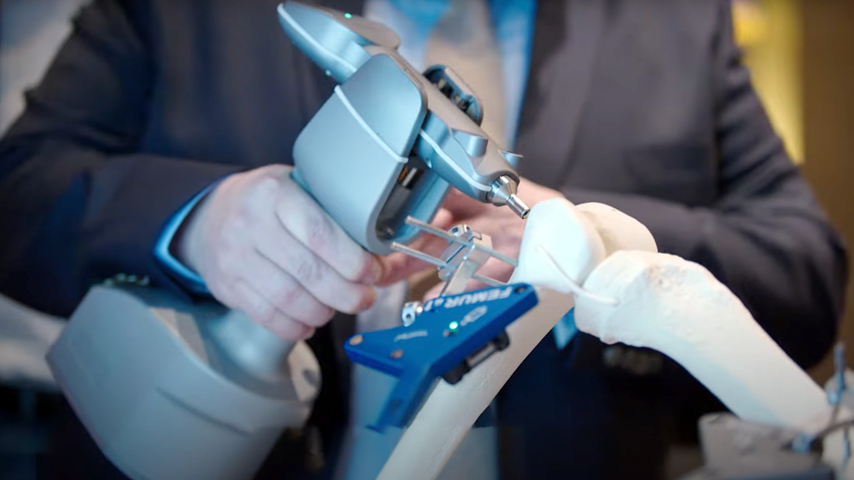
Mumbai’s Robotic Orthopedics: Unveiling the Finest Knee Replacement Centers Imagine waking up every morning dreading the first step out of bed — that sharp, grinding pain in your knee that follows you through every staircase, every walk to the market, every moment you simply want to live freely. For millions of Indians, knee arthritis is not just a medical condition; it is a daily battle that chips away at independence and joy. Fortunately, the landscape of orthopedic care has transformed dramatically. Mumbai, India’s healthcare capital, now stands at the forefront of a surgical revolution — robotic knee replacement in Mumbai — offering patients unprecedented precision, faster recovery, and longer-lasting results. This guide takes you inside Mumbai’s finest knee replacement centers and explains why robotic orthopedics is the gold standard of care today. Understanding Knee Arthritis: When Pain Becomes Unbearable Knee arthritis is among the most prevalent chronic conditions in India, affecting an estimated 15% of adults over 60. It occurs when the protective cartilage that cushions the knee joint gradually wears away, causing the bones to rub against each other. Over time, this leads to inflammation, structural damage, and significant functional limitation. Common Symptoms of Knee Arthritis Persistent pain or aching around the knee joint, especially after activity Morning stiffness that improves with movement but returns after rest Swelling and warmth around the joint due to inflammation A grinding or crunching sensation (crepitus) during movement Difficulty walking, climbing stairs, or rising from a seated position Visible deformity or bowing of the knee in advanced cases When Is Surgery Recommended? Orthopedic specialists typically recommend a stepwise approach. Conservative treatments — including anti-inflammatory medications, physiotherapy, weight management, and corticosteroid or hyaluronic acid injections — are tried first. However, when these measures fail to provide adequate relief and the patient’s quality of life is significantly compromised, total or partial knee replacement surgery becomes the most effective long-term solution. A board-certified orthopedic surgeon will evaluate your X-rays, MRI scans, symptom history, and functional limitations before recommending surgery. What Is Robotic Knee Replacement Surgery? Traditional knee replacement surgery, while highly effective, relies heavily on manual measurements, standard instruments, and the surgeon’s visual judgment. Robotic knee replacement surgery introduces a new level of precision that was previously impossible to achieve with the naked eye and hand tools alone. How Robotic Systems Like MAKO Work The most widely adopted robotic platform in premium orthopedic centers is the MAKO Robotic-Arm Assisted Surgery System by Stryker. Here is how the process unfolds: Pre-operative CT Scan: Before surgery, a detailed CT scan of your knee is taken. This data is used to create a precise 3D virtual model of your unique joint anatomy. Personalized Surgical Plan: Your surgeon uses this 3D model to plan the exact positioning, sizing, and alignment of the implant — customized specifically for your bone structure. Robotic-Arm Assistance During Surgery: In the operating room, the robotic arm assists the surgeon in executing the pre-planned cuts with extraordinary accuracy. If the surgeon’s hand moves outside the defined boundary, the robotic system automatically stops — providing a critical safety mechanism. Real-Time Feedback: Throughout the procedure, the system provides continuous data on implant positioning and soft tissue balance, allowing the surgeon to make immediate adjustments. Key Advantages of Robotic Knee Replacement in Mumbai Sub-millimeter precision in bone cutting and implant placement Better implant alignment that mimics natural knee mechanics Reduced risk of implant loosening, instability, or premature wear Less damage to surrounding soft tissue and muscle Faster recovery with shorter hospital stays Greater longevity of the implant — potentially lasting 20–25 years or more Choosing robotic knee replacement in Mumbai at a well-equipped facility means you benefit from this cutting-edge technology guided by experienced hands, resulting in outcomes that traditional surgery simply cannot match consistently. Mumbai’s Premier Robotic Knee Replacement Centers: What Sets Them Apart Mumbai is home to several internationally accredited hospitals and specialized orthopedic clinics that have invested in robotic surgical infrastructure and world-class orthopedic talent. When evaluating a center for robotic knee replacement surgery in Mumbai, here are the critical differentiators to look for: 1. NABH/JCI Accreditation and Surgical Infrastructure Top-tier hospitals in Mumbai hold accreditations from the National Accreditation Board for Hospitals (NABH) and, in some cases, the Joint Commission International (JCI). These certifications ensure that the hospital meets strict standards for patient safety, sterilization protocols, surgical infrastructure, and post-operative care. A dedicated orthopedic operation theater equipped with laminar airflow — which minimizes infection risk — is a non-negotiable feature. 2. Experienced and Fellowship-Trained Orthopedic Surgeons The robot is a tool; the surgeon is the expert. The best outcomes in robotic knee replacement in Mumbai come from surgeons who are: MS (Orthopaedics) qualified with DNB or equivalent post-graduate training Fellowship-trained in joint replacement surgery, ideally from reputed institutions in India, the UK, USA, or Germany Certified and extensively trained on robotic platforms like MAKO Experienced in performing both partial and total knee replacements using robotic assistance Committed to minimally invasive, muscle-sparing surgical techniques 3. Comprehensive Rehabilitation Programs Surgery is only half the journey. The finest centers in Mumbai offer dedicated physiotherapy and rehabilitation programs that begin within 24 hours of surgery. Structured rehab protocols — including early mobilization, gait training, and strength exercises — are integral to achieving the best functional outcomes and getting patients back to their active lives as quickly as possible. The Robotic Knee Replacement Journey: What Patients Can Expect Understanding the full surgical journey helps patients feel informed, confident, and prepared. Here is a step-by-step overview of what to expect when you opt for robotic knee replacement surgery in Mumbai: Before Surgery Detailed consultation and clinical examination with your orthopedic surgeon Imaging (X-rays, CT scan) for 3D surgical planning Pre-anesthesia check-up and medical fitness evaluation Counseling on what to expect post-surgery and how to prepare your home for recovery During Surgery Performed under spinal or general anesthesia (typically 1.5 to 2 hours) Surgeon uses the robotic arm to execute the pre-planned bone cuts and implant positioning Soft tissue balancing is
Balancing Health and Finances: Robotic Knee Replacement Cost in Mumbai

Balancing Health and Finances: Robotic Knee Replacement Cost in Mumbai The promise of a pain-free life and restored mobility often comes with questions about the investment required. For those suffering from debilitating knee pain, innovations like robotic arm-assisted surgery offer a revolutionary path to recovery. This advanced technique makes partial and total knee replacement through less invasive methods a reality, allowing more patients to benefit from precisely aligned device implantation that optimizes function and promotes a quicker return to an active lifestyle. Yet, a common question arises: do the advantages of computer-navigated techniques truly justify the procedural costs associated with acquiring and maintaining such cutting-edge technologies? At Kneebotics, we believe that understanding both the clinical and financial considerations of knee surgery is crucial. This empowerment allows patients to make fully informed decisions aligned with their health and budget priorities. This comprehensive article provides an in-depth overview of considerations surrounding robotic knee replacement cost in Mumbai, designed to help you best navigate your next steps tailored to your unique needs. Understanding Robotic Knee Replacement: Precision Meets Innovation Robotic knee replacement represents a significant leap forward in orthopedic surgery, offering an unparalleled level of precision and customization. Unlike traditional methods, this advanced procedure integrates sophisticated technology to assist the surgeon, leading to more predictable and often superior outcomes. What is Robotic Arm-Assisted Knee Surgery? Robotic arm-assisted knee surgery utilizes specialized camera tracking and advanced computer modeling to create a real-time, 3D virtual model of your unique knee anatomy. Before surgery, the surgeon uses this model to plan the exact size and position of your implant. During the procedure, the robotic arm acts as a highly precise guide, ensuring that the surgeon’s cuts and implant placements adhere precisely to this personalized plan. This technology provides continuous feedback and restricts the surgical tools to a pre-defined area, preventing deviations and allowing for meticulous bone preparation and implant positioning. This level of accuracy is virtually unachievable by manual technique alone. Clinical Benefits: Why Precision Matters The precision offered by robotic assistance translates directly into significant clinical advantages for patients: Custom-Fit Alignment: Each knee is unique. Robotic technology ensures that your new implant is positioned with millimetric accuracy, perfectly matching your individual anatomy and biomechanics. This custom fit promotes more natural motion and reduces stress on the implant and surrounding tissues. Retention of More Knee Stability: By preserving more of your healthy bone and ligaments, robotic surgery helps maintain the natural stability of your knee. This often leads to a more natural-feeling knee post-surgery. Reduced Pain and Faster Recovery: Many robotic procedures utilize quadriceps-sparing incisions, which minimize trauma to the surrounding muscles and soft tissues. This can significantly reduce post-operative pain and speed up the rehabilitation process, allowing patients to return to daily activities sooner. Longevity of Implants: Optimal alignment reduces uneven wear and tear on the implant components, potentially extending the lifespan of the knee replacement and reducing the likelihood of early failure or revision surgery. Improved Patient Outcomes: Studies consistently show that patients undergoing robotic-assisted knee replacement often experience better functional scores, greater satisfaction, and fewer complications compared to traditional methods. When to Consider Robotic Knee Replacement You might be a candidate for robotic knee replacement if you experience: Severe knee pain that significantly limits your daily activities (walking, climbing stairs, sleeping). Chronic knee pain that has not responded to conservative treatments such as medication, physical therapy, injections, or lifestyle modifications. Significant stiffness or loss of motion in your knee. X-ray evidence of advanced arthritis or bone-on-bone degeneration. Deformity of the knee (bow-legged or knock-kneed). A thorough consultation with an orthopedic surgeon specializing in robotic knee replacement is essential to determine if this procedure is the right choice for you. Demystifying Robotic Knee Replacement Cost in Mumbai When considering advanced medical procedures, understanding the financial aspect is as crucial as grasping the clinical benefits. The initial thought of higher costs associated with cutting-edge technology can be daunting, but it’s essential to look beyond the immediate figures and consider the long-term value. Factors Influencing the Cost The comprehensive robotic knee replacement cost in Mumbai is influenced by several key factors: Technology Acquisition and Maintenance: The robotic systems themselves represent a substantial investment for hospitals. There are significant upfront costs for purchasing the advanced robotic arm, imaging equipment, and specialized software. Additionally, there are ongoing licensing fees, maintenance contracts, and periodic software upgrades required to keep the technology operational and current. Surgeon’s Expertise and Training: Surgeons utilizing robotic technology undergo extensive specialized training and certification. Their advanced skill set and experience in navigating these sophisticated systems contribute to the overall cost, reflecting their enhanced precision and improved patient outcomes. Hospital Facilities and Infrastructure: The quality of the hospital infrastructure plays a role. State-of-the-art operation theaters, advanced sterilization protocols, dedicated recovery rooms, and highly trained support staff (anesthesiologists, nurses, physical therapists) all factor into the procedural expenses. Type of Implant: The cost of the knee implant itself can vary. High-quality, durable implants designed for longevity and optimal function contribute to the overall expense. Pre- and Post-Operative Care: This includes diagnostic tests, consultations, physical therapy sessions (both inpatient and outpatient), medications, and follow-up appointments. These essential components ensure a smooth recovery and successful long-term outcome. Comparing Costs: Robotic vs. Traditional Knee Replacement It’s true that the upfront cost of robotic knee replacement might be marginally higher than traditional manual knee replacement. This difference primarily stems from the technological investment and specialized training required. However, it’s vital to consider the value proposition: Reduced Complications: The precision of robotic surgery can lead to fewer surgical complications, such as malalignment or infection, which can incur additional costs and extended recovery times in traditional procedures. Potentially Shorter Hospital Stays: Thanks to less invasive techniques and faster recovery, patients often experience shorter hospital stays, which can reduce overall medical bills. Decreased Need for Revision Surgery: With optimal alignment and implant longevity, the risk of needing revision surgery in the future is potentially reduced. Revision surgeries are significantly more complex, costly, and carry
The Cutting-Edge of Comfort: Robotic Knee Replacement in Mumbai
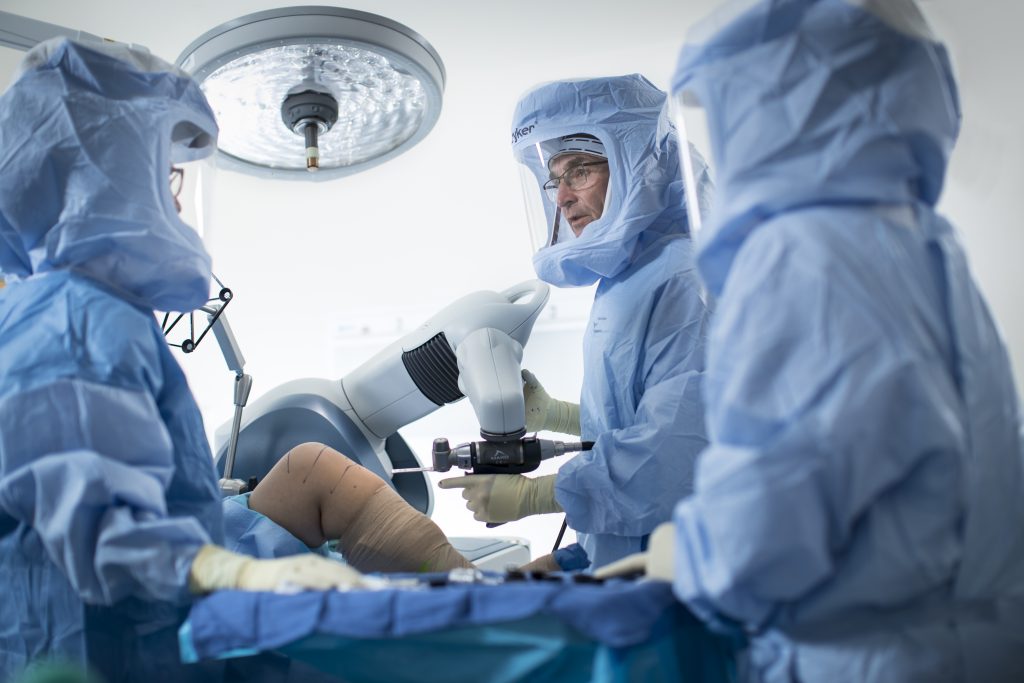
As innovations like robotic-arm assisted technology transform knee arthroplasty, more patients now qualify for minimally invasive joint reconstruction. Robotics allows tissue-sparing implantation through minute, muscle-preserving incisions previously impossible in manual joint replacement. Yet best leveraging this emerging specialty relies on finding surgeons with extensive robotic knee replacement in Mumbai experience. Double board certified orthopaedic specialist Dr. Kunal Patel stands uniquely qualified as the go-to expert offering robotic knee surgery in Mumbai. Having performed successful robotic knee operations, his vast experience translates to unparalleled patient benefits. Read below on the advantages of choosing Mumbai’s foremost robotic knee arthroplasty specialist for joint restoration. Precise Implant Alignment and Positioning The greatest advantage of robotic knee surgery lies with the superior accuracy of quadriceps-sparing implant positioning which improves function. Dr. Patel utilizes advanced preoperative 3D modeling and specialized camera arrays allowing real-time tissue analysis while precisely executing bone cuts and positioning chosen implant components for a perfect anatomical fit. This real time data paired with robotic arm assistance ensures each knee replacement achieves excellent alignment tailored to individual joint parameters – something impossible through manual technique reliant on sight and feel alone. Such precision promotes longer implant survival free from loosening while restoring stability and mobility. Faster Recovery Thanks to Quad-Sparing Methods Manual knee replacement unavoidably damages knee extensor muscles responsible for straightening the leg, resulting in more postoperative pain and prolonged recovery. Robotic techniques allow them to perform quadriceps-sparing surgery through pinpoint small incisions saving trauma to these crucial muscles. Avoiding cut quadriceps lowers pain levels, cuts rehabilitation times and reduces stiffness for patients to smoothly regain knee health. Exclusively Dedicated to Robotic Knee Specialization While some facilities occasionally offer robotic knee surgery in Mumbai, Dr. Kunal focuses almost exclusively on perfecting cutting-edge robotic knee arthroplasty and quadriceps-sparing surgical methods. His dedication cultivates elite expertise in leveraging the latest advancements in computer integration and partial knee capabilities. Patients benefit from efficient procedures, lower complication rates and faster recovery thanks to his vast robotic knee volume. Return to Living Pain-Free Don’t endure worsening knee arthritis or damage hindering an active lifestyle. As the authority in robotic knee replacement in Mumbai, double board certified specialist Dr. Kunal Patel offers profound relief and restored function through minimally invasive precision techniques tailored to each patient’s needs. Schedule a consultation to learn more about realizing dramatic improvement through Mumbai’s most advanced knee surgery.
