
The Science of Artful Surgery: Best robotic surgeon in mumbai Speaks

The Science of Artful Surgery: Regaining Mobility with Robotic Knee Replacement in Mumbai Knee pain can severely limit your quality of life, transforming simple movements into challenging tasks and sidelining you from activities you love. For many, the thought of knee replacement surgery brings apprehension. However, advancements in medical technology, particularly robotic assistance, are revolutionizing orthopedic care, offering a path to more precise, personalized, and predictable outcomes. Here at Kneebotics, we believe in empowering our patients with the knowledge and access to the most advanced surgical solutions. This article delves into the transformative world of robotic knee replacement, showcasing how cutting-edge technology and unparalleled surgical expertise converge to restore mobility and alleviate pain for patients right here in Mumbai. Understanding Robotic Knee Replacement: A Leap Forward in Orthopedic Care Robotic surgery has fast emerged as a pioneering technique set to revolutionise healthcare forever. Its ability to overcome human limitations and perform minimally invasive, highly precise procedures has opened new possibilities for treatment across various medical disciplines, including orthopedics. When it comes to knee replacement, robotic assistance elevates the surgical process to an unprecedented level of accuracy. What is Robotic-Assisted Knee Replacement? Unlike traditional knee replacement, where the surgeon relies entirely on manual tools and visual estimations, robotic-assisted knee replacement integrates advanced technology to guide the surgeon with unparalleled precision. It doesn’t mean a robot performs the surgery independently; rather, a highly trained orthopedic surgeon controls the robotic arm, which acts as a sophisticated co-pilot. This system leverages pre-operative CT scans to create a detailed 3D model of your unique knee anatomy, allowing for meticulous planning tailored specifically for you. The Technology Behind the Precision Robotic systems translate and scale the surgeon’s hand movements, enabling operations through tiny incisions with exceptional control. Some key advantages of robotic over traditional open or laparoscopic surgery include: 3D HD Visualization: Provides surgeons with an immersive, high-definition view of the surgical site, allowing for superior depth perception and detailed anatomical understanding. Wristed Instruments: Specialized robotic instruments mimic the natural range of motion of a human wrist, allowing for intricate maneuvers in confined spaces with greater flexibility than traditional instruments. Intuitive Control and Superior Dexterity: The surgeon’s movements are refined and replicated by the robot, enhancing precision and control, even during complex steps. Motion Scaling and Tremor Filtration: The robotic system can scale down the surgeon’s movements and filter out any natural hand tremors, ensuring incredibly steady and precise instrument placement. Enhanced Surgical Access Through Small Ports: Minimally invasive approaches mean smaller incisions, which can lead to reduced tissue disruption. Personalized Planning: Before surgery, a CT scan creates a precise 3D model of your knee. This allows your surgeon to develop a customized surgical plan, mapping out the exact size and placement of your knee implant to optimize fit and alignment. Real-Time Intra-Operative Guidance: During surgery, the robot provides real-time feedback and guidance, ensuring the surgeon adheres precisely to the pre-operative plan, making micro-adjustments as needed. These benefits have made robotics the preferred technique for various complex surgeries, and its application in joint replacements is particularly impactful. Patients operated robotically typically have shorter hospital stays coupled with lower complication and readmission rates. Key Benefits of Robotic Knee Replacement for Patients While all knee replacement surgeries aim to relieve pain and restore function, robotic assistance offers distinct advantages that directly translate to improved patient outcomes: Enhanced Accuracy and Alignment: The primary benefit is the unparalleled precision in bone cutting and implant positioning, crucial for the long-term success and natural feel of the new knee. This personalized alignment can lead to a more balanced and stable knee. Reduced Blood Loss and Pain: The precision of robotic systems can minimize trauma to surrounding healthy tissues, potentially leading to less blood loss during surgery and reduced post-operative pain. Faster Recovery and Rehabilitation: With less tissue damage and improved alignment, patients often experience a quicker recovery, allowing them to return to their daily activities sooner and with greater comfort. Potentially Longer Implant Lifespan: Optimal implant positioning and alignment, achieved through robotic precision, can reduce wear and tear on the implant, potentially extending its lifespan. Improved Knee Function and Range of Motion: A perfectly aligned implant that is customized to your unique anatomy contributes to better overall knee function, leading to a more natural feel and improved range of motion. With greater experience and continuous technological advancements, more applications are still emerging, cementing the indispensable role of robotic surgery in modern medicine, especially for procedures like robotic knee replacement. Why Choose Robotic Knee Replacement in Mumbai? As robotic surgery adoption grows rapidly, India, and particularly Mumbai, has taken the lead with cutting-edge systems installed across its top hospitals to enable high-precision treatment. Mumbai, a bustling medical hub, offers an ideal environment for patients seeking advanced orthopedic care. The city boasts state-of-the-art medical infrastructure, a pool of highly skilled surgeons, and a commitment to adopting the latest technological innovations. Opting for robotic knee replacement in Mumbai means access to world-class facilities and expert care without the need for international travel. Finding Your Expert: The Best Robotic Knee Surgeon in Mumbai Identifying the right surgeon is paramount for a successful robotic knee replacement. While the technology is advanced, the surgeon’s skill, experience, and judgment remain central to the outcome. When seeking the best robotic surgeon in Mumbai for your knee replacement, consider the following factors: Specialized Fellowship Training: Look for surgeons who have undergone specialized fellowship training in robotic orthopedics, ideally from renowned institutions globally. Extensive Experience: A surgeon’s experience directly correlates with their proficiency. Seek those with a high volume of robotic knee replacement procedures under their belt – often hundreds or even thousands. Affiliation with Advanced Hospitals: Ensure the surgeon practices at hospitals equipped with the latest generation of robotic technology for knee replacement. Demonstrated Patient Outcomes: While individual results vary, inquire about their general success rates, patient satisfaction, and complication rates. Patient-Centric Approach: A surgeon who takes the time to explain the procedure, answer your questions, and involve you in
Robotic Knee Precision: Navigating Advanced Surgery in Mumbai
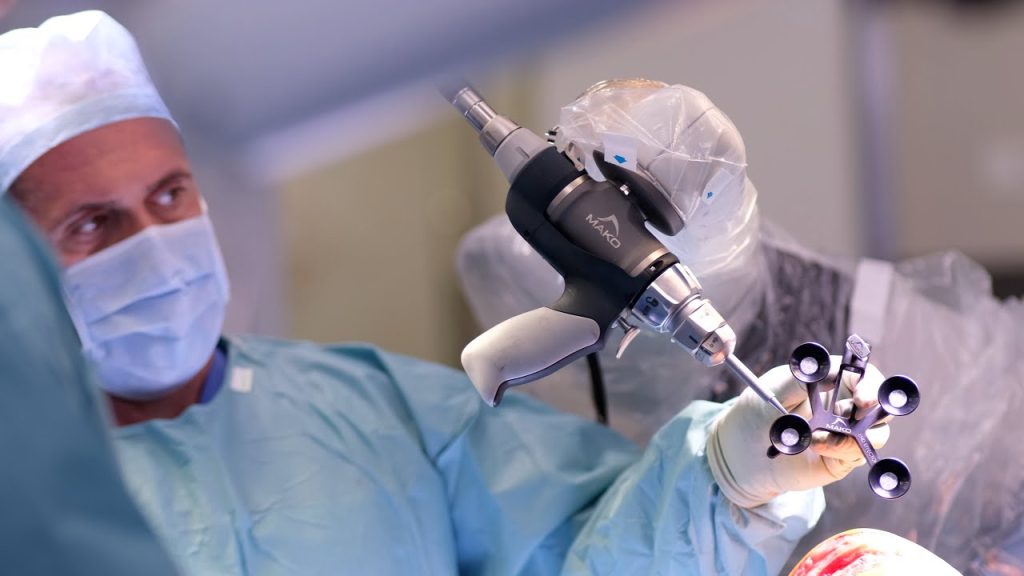
Knee problems like osteoarthritis can impede mobility and quality of life. While knee replacement surgery helps, it also entails significant pain, hospitalisation, and recovery time. This is where advanced robotic knee surgery is redefining patient outcomes. This article explores robotic knee surgery in Mumbai―its benefits, top surgeons, costs and more to help you make informed decisions. Understanding Robotic Knee Surgery Robotic knee surgery allows doctors to perform ultra-precise, minimally invasive total knee replacement using real-time digital guidance. It combines the expertise of skilled orthopedic surgeons with the precision of robotics and computer assistance for better results. The high-definition 3D visualization and AI-enhanced surgical planning that robotic systems provide allow doctors to align knee implants more accurately to the patient’s anatomy. The associated tissue-preserving approach causes less damage and quicker recovery compared to traditional knee replacement. Some key benefits of robotic knee surgery include: Better alignment and implant fixation Minimal pain and bleeding Smaller incisions and scarring Low infection risk Shorter hospital stays and faster recovery High-performance outcomes and longevity In a nutshell, robotic knee surgery in Mumbai results in more predictable outcomes with rapid return to motion and daily activities. Why Choose Robotic Surgery in Mumbai? Mumbai has emerged as a prime healthcare destination, attracting patients from around the country and overseas. The metropolis offers high-quality robotic knee surgery through its elite surgeons and advanced specialty centers, including: ● Access to cutting-edge Robotic surgery technology like Mako Rio and Navio ● Expert orthopedic surgeons fellowship-trained in Robotic procedures ● Shorter waiting times at affordable prices compared to Western countries ● Global standards of care at internationally accredited hospitals ● Option to combine surgery with a Mumbai holiday for medical value travel So whether you live in Mumbai or want to travel for surgery, the city offers world-class infrastructure, expertise and resources for robotic knee replacement. Finding the Best Robotic Knee Surgeons in Mumbai The success of your robotic knee surgery depends greatly on choosing the right orthopedic surgeon. Look for doctors with these qualifications when exploring your options in Mumbai: ● Fellowship training in Robotic knee surgery ● Experience of 100+ robotic knee replacements ● Part of reputed hospitals with advanced technology ● Excellent patient rating and reviews ● Affordable pricing packages In summary, robotic knee surgery in Mumbai offers tremendous advantages over traditional knee replacement. The minimally invasive precision technique causes less tissue damage, reduces pain and blood loss, prevents infection while promoting faster recovery. With cutting-edge systems, elite orthopedic specialists and far more affordable prices than overseas options, the city provides the ideal destination for robotic knee replacement surgery in mumbai, especially for international patients.
Navigating Knee Pain: The Role of Robotic Surgery in Mumbai

Knee pain can significantly impact daily life, limiting mobility and causing discomfort. For residents of Mumbai seeking advanced solutions for knee issues, the realm of robotic knee replacement surgery in Mumbai has emerged as a transformative option. In this guide, we delve into the role of robotic surgery in Mumbai, specifically focusing on its application in knee pain management through robotic knee replacement surgery. 1. Precision in Joint Replacement: Robotic knee replacement surgery in Mumbai brings a new level of precision to joint replacement procedures. The robotic system assists surgeons in mapping the patient’s anatomy with unparalleled accuracy, allowing for customized surgical plans tailored to individual variations. This precision is crucial for optimizing implant placement and alignment. 2. Personalized Surgical Plans: One of the key advantages of robotic knee replacement surgery is the ability to create personalized surgical plans. The robotic system in Mumbai utilizes preoperative imaging to generate a 3D model of the patient’s knee, enabling surgeons to plan the procedure with meticulous detail. This personalized approach contributes to improved outcomes and patient satisfaction. 3. Minimally Invasive Techniques: Robotic knee replacement surgery in Mumbai emphasizes minimally invasive techniques. The robotic system aids surgeons in performing the procedure through smaller incisions, reducing trauma to surrounding tissues. This approach leads to less postoperative pain, faster recovery times, and a shorter hospital stay for patients undergoing knee replacement. 4. Improved Implant Positioning: Achieving optimal implant positioning is critical for the success of knee replacement surgery. The robotic system enhances the surgeon’s ability to precisely position implants, ensuring proper fit and alignment. This contributes to long-term joint stability, functionality, and reduces the risk of complications. 5. Enhanced Navigation and Real-time Feedback: During robotic knee replacement surgery in Mumbai, the system provides enhanced navigation capabilities and real-time feedback. Surgeons receive continuous updates on the progress of the procedure, allowing for immediate adjustments as needed. This real-time feedback ensures the accuracy and safety of the surgery. 6. Reduced Blood Loss and Scarring: The minimally invasive nature of robotic knee replacement surgery results in reduced blood loss during the procedure. Additionally, smaller incisions lead to minimal scarring, offering aesthetic benefits to patients. The combination of these factors contributes to a more comfortable postoperative experience. 7. Accelerated Rehabilitation: Patients undergoing robotic knee replacement surgery in Mumbai often experience accelerated rehabilitation compared to traditional methods. The precision in surgery and minimally invasive techniques contribute to quicker recovery times, allowing individuals to resume daily activities and regain mobility sooner. 8. Long-term Durability and Patient Satisfaction: Robotic knee replacement surgery aims for long-term durability and patient satisfaction. By optimizing implant placement, alignment, and overall surgical precision, this advanced approach enhances the likelihood of a successful and enduring outcome. Patients can expect improved functionality and reduced knee pain for the long term. Conclusion: Pioneering a New Era in Knee Pain Management Robotic knee surgery in Mumbai represents a significant advancement in the field of orthopedics, offering a pioneering approach to knee pain management. With its focus on precision, personalization, and minimally invasive techniques, robotic surgery stands as a beacon of hope for individuals seeking effective and advanced solutions for knee issues. Residents of Mumbai navigating knee pain can explore the transformative possibilities offered by robotic knee replacement surgery, embracing a new era in orthopedic care.
When to Consult a Robotic Surgeon in Mumbai: Indications and Benefits
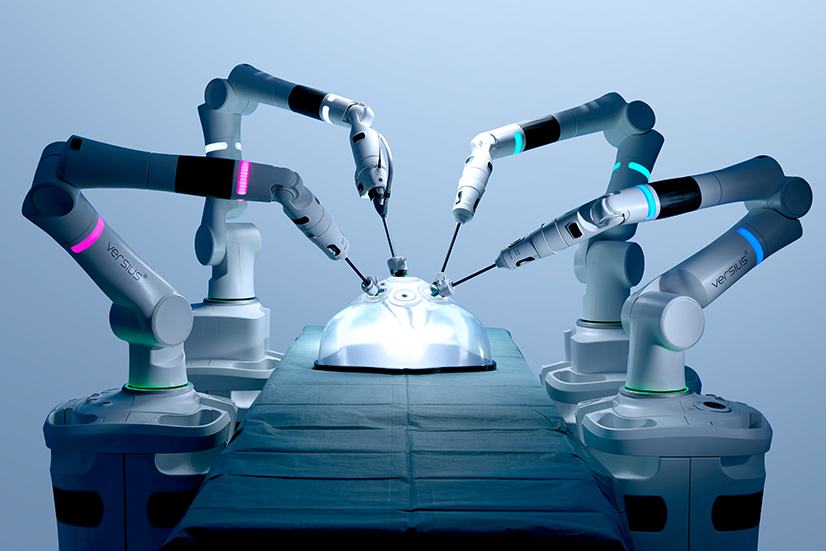
When to Consult a Robotic Surgeon in Mumbai: Indications and Benefits Chronic knee pain can be debilitating, stealing your mobility and significantly impacting your quality of life. For many, the relentless ache, stiffness, and reduced function become a daily struggle, making simple activities feel like monumental tasks. While conservative treatments often provide initial relief, there comes a point for some individuals when surgical intervention becomes the most viable path toward lasting comfort and restored movement. In the ever-evolving landscape of medical advancements, robotic knee replacement has emerged as a transformative approach, offering unparalleled precision and potentially superior outcomes. For residents of Mumbai seeking cutting-edge solutions, understanding when to consult a robotic surgeon can be the first step towards a healthier, more active future. At Kneebotics, we specialize in advanced orthopedic care, leveraging state-of-the-art robotic technology to deliver personalized knee replacement solutions. Our lead surgeon, Dr. Rohan Sharma, M.S. (Ortho), F.A.O.A. (Robotic Arthroplasty), is a distinguished orthopedic surgeon with extensive experience in robotic-assisted joint replacement. Dr. Sharma’s expertise, honed through advanced fellowships in robotic arthroplasty, ensures that patients receive world-class care grounded in both clinical excellence and the latest evidence-based practices. Understanding Knee Pain and the Need for Intervention Before considering any surgical option, it’s crucial to understand the underlying causes of persistent knee pain and when conventional treatments might no longer be sufficient. Common Causes of Chronic Knee Pain Chronic knee pain typically stems from conditions that degrade the knee joint over time. The most prevalent causes include: Osteoarthritis (OA): This degenerative “wear and tear” arthritis is the most common reason for knee replacement. It occurs when the protective cartilage on the ends of your bones wears down over time, leading to bone-on-bone friction, pain, swelling, and stiffness. Rheumatoid Arthritis (RA): An autoimmune disease that causes the body’s immune system to attack its own tissues, including the lining of the joints. RA can lead to chronic inflammation, pain, and severe joint damage. Post-Traumatic Arthritis: Arthritis that develops after a knee injury, such as a fracture, ligament tear, or meniscus damage. Even if the injury heals, the joint surface may have been damaged, leading to accelerated wear and tear. Other Inflammatory Arthropathies: Conditions like psoriatic arthritis or gout can also cause significant knee joint damage. When Conservative Treatments Aren’t Enough Initially, most patients manage knee pain with non-surgical methods, which may include: Medications (pain relievers, anti-inflammatories) Physical therapy and exercise Weight management Injections (corticosteroids, hyaluronic acid) Assistive devices (canes, walkers) While these treatments can provide significant relief for many, their effectiveness can diminish as the joint degeneration progresses. When pain persists despite these efforts, severely limits daily activities, and significantly impacts quality of life, it’s a strong indicator that surgical options should be explored. The Promise of Robotic Knee Replacement Robotic-assisted knee replacement represents a significant leap forward in orthopedic surgery, offering a level of precision and customization previously unattainable. It’s a method that enhances the surgeon’s capabilities, leading to potentially better patient outcomes. What is Robotic-Assisted Knee Replacement? Robotic knee replacement is not surgery performed by a robot independently, but rather a procedure where a highly skilled orthopedic surgeon, like Dr. Rohan Sharma, utilizes a robotic arm or system as a sophisticated tool. This technology provides the surgeon with real-time data and guidance, allowing for incredibly precise planning and execution of the surgery. The surgeon remains in full control throughout the entire process, with the robotic system acting as an extension of their expertise, ensuring accuracy down to fractions of a millimeter. Precision Planning with Advanced Technology One of the most significant advantages of robotic knee replacement in Mumbai begins even before the surgery itself. It involves: Pre-operative CT Scan: A detailed 3D image of your knee is created using a CT scan. Personalized Surgical Plan: This 3D model allows the surgeon to create a highly accurate, individualized surgical plan for your specific anatomy. They can virtually place the implant, determine the optimal size and position, and analyze how it will interact with your ligaments and soft tissues before even making an incision. This customization is key to a well-balanced and stable knee. Real-time Adjustments: During the procedure, the robotic system provides dynamic feedback, allowing the surgeon to make micro-adjustments and confirm the precise fit and alignment of the implant. The Surgical Process: How Robotics Enhance Outcomes During a robotic knee replacement, the surgeon uses the pre-operative plan to guide the robotic arm. The system creates a virtual boundary that prevents the surgeon from cutting outside the planned area, ensuring only the damaged bone is removed. This high level of precision translates to: More accurate bone cuts, leading to better implant alignment. Precise balancing of the knee ligaments, crucial for stability and natural movement. Optimal implant positioning, which can contribute to the longevity of the knee replacement. Key Benefits of Choosing Robotic Knee Replacement in Mumbai Patients considering robotic knee replacement in Mumbai can look forward to several compelling advantages over traditional methods, backed by increasing clinical evidence. Enhanced Surgical Accuracy and Alignment The hallmark benefit of robotic assistance is its unparalleled precision. Studies consistently show that robotic systems lead to more accurate bone cuts and improved alignment of the prosthetic components compared to conventional manual techniques. This superior accuracy is critical for a well-functioning knee and can reduce the risk of complications such as instability or accelerated wear, potentially extending the life of the implant. Potentially Faster Recovery and Reduced Pain While recovery varies by individual, many patients undergoing robotic knee replacement report several significant post-operative advantages: Reduced Postoperative Pain: The precise nature of robotic surgery often results in less trauma to surrounding healthy tissues, leading to less pain after the procedure. Quicker Mobilization: Patients often feel comfortable enough to start weight-bearing and physical therapy sooner. Shorter Hospital Stays: The minimally invasive nature and reduced trauma can contribute to a shorter stay in the hospital, allowing patients to return home sooner. Faster Return to Daily Activities: A smoother recovery trajectory often means patients can get back to their
Choosing Quality Care: Tips for Selecting the Best Robotic Surgeon in Mumbai

Choosing Quality Care: Tips for Selecting the Best Robotic Surgeon in Mumbai Mumbai, a city renowned for its medical excellence and cutting-edge advancements, has become a prominent hub for modern surgical techniques. Among these, robotic knee replacement stands out as a transformative option for individuals suffering from debilitating knee pain. This advanced procedure, also known as robot-assisted surgery, leverages state-of-the-art technology to enhance surgical precision and patient safety. For anyone considering this life-changing surgery, the decision of choosing the best robotic knee replacement surgeon in Mumbai is paramount to a successful outcome and a swift return to an active life. This guide aims to provide clear, evidence-based insights and practical tips to help you navigate this crucial choice, ensuring you receive the highest quality of care for your robotic knee replacement in Mumbai. Understanding Robotic-Assisted Knee Replacement Surgery Robotic knee replacement is a sophisticated form of minimally invasive surgery where the surgeon utilizes a robotic system to perform the procedure with unparalleled accuracy. Unlike fully autonomous robots, these systems are surgeon-controlled and act as highly advanced tools, enhancing the surgeon’s capabilities rather than replacing them. What is Robotic-Assisted Knee Surgery? In a robotic knee replacement, specialized software uses CT scans or X-rays to create a detailed 3D model of your knee joint. This allows your surgeon to develop a personalized pre-operative plan, mapping out the precise size, placement, and alignment of the knee implant even before the surgery begins. During the operation, the robotic arm provides real-time data and guidance, ensuring that bone cuts and implant placement are executed exactly according to this individualized plan. The surgeon maintains full control, guiding the robotic arm to perform the intricate maneuvers, effectively creating a highly customized fit for your new knee. Advantages Over Traditional Knee Replacement The precision offered by robotic assistance translates into several significant benefits for patients: Enhanced Accuracy: Studies suggest that robotic systems can achieve superior accuracy in implant alignment and soft tissue balancing compared to manual methods. This precise placement is crucial for the long-term success and optimal function of the knee implant. Minimally Invasive: Often involves smaller incisions, leading to less tissue damage. Reduced Blood Loss: Greater precision can lead to less disruption of surrounding tissues and blood vessels. Less Post-operative Pain: Patients frequently report lower pain levels in the initial recovery period. Faster Recovery: Reduced trauma often means a quicker return to mobility and daily activities. Potentially Longer Implant Longevity: Optimal implant positioning and alignment are believed to contribute to better weight distribution and reduced wear, potentially extending the lifespan of the knee replacement. Why Your Surgeon’s Expertise Matters for Robotic Knee Replacement While the robotic system is an advanced tool, it is critical to remember that the surgeon is the master of the operation. The robot doesn’t operate independently; it follows the surgeon’s precise instructions and movements. Therefore, the skill, experience, and judgment of your surgeon are paramount. Precision and Personalization through Expertise A highly skilled robotic surgeon understands how to maximize the technology’s capabilities. They use the pre-operative planning software to meticulously customize the surgical approach to your unique anatomy, addressing specific deformities or challenges. During surgery, their expertise allows them to interpret the real-time feedback from the robotic system, making informed decisions that ensure precise bone resection and optimal soft tissue balance – factors crucial for a well-functioning, long-lasting knee. Mitigating Risks and Complications Even with advanced technology, surgical procedures carry inherent risks. An experienced surgeon, particularly one specializing in robotic knee replacement in Mumbai, has the knowledge and foresight to anticipate potential complications and effectively manage them should they arise. Their vast experience allows for quick, informed decisions in challenging situations, significantly enhancing patient safety. Optimizing Recovery and Long-Term Outcomes The ultimate goal of knee replacement is to alleviate pain and restore function. A skilled surgeon ensures that the procedure is performed with minimal trauma, which contributes to a smoother and faster recovery period. Their meticulous technique leads to better joint mechanics, reduced post-operative pain, and improved range of motion, setting the stage for excellent long-term outcomes and a significant improvement in your quality of life. Key Factors in Selecting the Best Robotic Surgeon in Mumbai Choosing the right surgeon is a decision that demands careful consideration. Here are the essential factors to evaluate: 1. Credentials and Board Certification Start by verifying the surgeon’s qualifications. Look for a surgeon who is: Board-Certified: This signifies that the surgeon has met rigorous standards of education, training, and examination by a recognized medical board (e.g., the National Board of Examinations in Medical Sciences in India for Orthopedics). Specialized Training: Confirm they have specific fellowship training in joint replacement surgery and specialized certification or extensive training in robotic-assisted orthopedic procedures. Ask about their involvement in professional organizations like the Indian Orthopaedic Association. 2. Experience and Volume with Robotic Knee Replacement Experience is arguably the most critical factor. Ask prospective surgeons: “How many robotic knee replacement surgeries have you personally performed?” “What is your success rate and complication rate for these procedures?” A surgeon who performs a high volume of robotic knee replacements typically has refined their technique and developed greater proficiency with the technology. Generally, a surgeon who performs at least 50-100 robotic knee replacements annually is considered highly experienced. 3. Specialization in Orthopedics and Joint Replacement While robotic surgery spans many medical fields, for knee replacement, it’s crucial to select an orthopedic surgeon who specializes specifically in joint reconstruction. Their deep understanding of musculoskeletal anatomy and biomechanics is indispensable for optimal outcomes. 4. Hospital Affiliation and Technology The hospital where the surgeon practices is also important. A reputable hospital: Offers State-of-the-Art Robotic Systems: Ensures access to the latest generation of robotic technology. Has a Dedicated Orthopedic Department: Signifies comprehensive support, including specialized anesthesiologists, nurses, and physical therapists experienced in post-operative care for joint replacement patients. Maintains High Standards of Patient Safety: Look for hospitals with strong patient safety records and accreditations. 5. Patient Testimonials and Reviews Online reviews and patient testimonials can offer valuable
