
Innovative Knee Care: Robotic Knee Replacement Surgery in Mumbai

Knee arthritis causing constant discomfort, loss of flexibility and mobility issues requires advanced solutions once quality of life deteriorates. Robotic knee replacement in mumbai, a cutting-edge innovation now offered in Mumbai, provides precision implant positioning, muscular preservation and shorter post-procedure rehabilitation. Rediscover freedoms forgone to debilitating joint degeneration. Understanding Knee Arthritis Progressive erosion of the knee joint’s protective cartilage cushion allows exposed bone surfaces to rub, eventually causing inflammation, pain and hindered mobility. If everyday tasks like walking reasonable distances or climbing stairs become challenging forcing lifestyle limitations, surgical solutions provide hope. Robotic knee surgery in mumbai Robotic refers to using technology assistance allowing perfectly aligned positioning of implants through software imaging-guidance ensuring excellent results. It overcomes human judgment limitations during manual handling of tissue and bone. The technology allows performing surgery through tiny incisions without cutting main muscles. This assures minimal trauma and quicker wound healing enabling accelerated recovery reducing hospital stays. Robotic knee replacement surgery in mumbai Over Conventional Manual Knee Surgery: 40% less quadriceps trauma enabling enhanced recoverability CT based patient-specific 3D modelling of implant positioning Software precision unaffected by human hand tremor Consistently balanced knee stability and mobility Reduced post-op complications like infections, DVT Shortened hospitalization by 30% – quicker return to activities Lower analgesic needs owing to less pain from smaller cuts Specialized Applications in Mumbai While a niche capability still getting introduced, robotic knee replacement brings hope for cases otherwise difficult through conventional surgery: Advanced arthritis with poor bone quality Marked ligament instability Patella implant resurfacing/replacements Complex prior knee surgery revisions Younger patients desiring longer prosthesis survival Understanding robotic knee replacement cost in mumbai The procedure begins with obtaining specialized CT imaging allowing 3D modeling of knee joint. Using this patient-specific data, component size and positioning gets virtually templated by computer software for optimal anatomical alignment accounting for balanced soft tissue flexibility. Later intra-operatively, the surgeon follows the pre-built implant placement map through a robotic arm making micro adjustments as needed while protecting surrounding structures. The analog data allows pre-visualizing knee motion digitally checking for ideal functionality balancing mobility and stability right during the procedure before closing up. Early post-op protocol remains similar to traditional knee replacement surgery with initial immobilization followed by gradual mobilization through supervised physical therapy. With increasing training amongst Mumbai’s leading orthopedic doctors in this advanced domain, robotic joint replacement technology aims to reduce outcome variability and enhance precision. Thus benefiting local communities through consistent access to global healthcare standards in the coming decade. So consider trusted robotic specialists if painful arthritis begins hindering everyday quality of life. Get lasting freedom from mobility limitations and remain active for decades ahead.
Enhancing Recovery: Robotic Knee Replacement Surgery in Mumbai’s Top Centers

Robotic Knee Replacement in Mumbai: A New Era of Precision Joint Care Living with chronic knee arthritis can be quietly devastating. What begins as occasional stiffness or mild discomfort gradually evolves into persistent pain that limits your ability to climb stairs, take evening walks, or even enjoy simple moments with family. When conservative treatments no longer provide relief, knee replacement surgery becomes a life-changing option — and today, that option is more precise, safer, and faster-recovering than ever before. Robotic knee replacement in Mumbai is transforming how patients experience joint surgery, combining cutting-edge robotic technology with the expertise of highly trained orthopedic surgeons to deliver outcomes that were simply not possible a decade ago. Mumbai’s leading orthopedic centers are now equipped with state-of-the-art robotic surgical systems, offering patients across India access to world-class joint care without traveling abroad. Understanding Knee Arthritis: When Is Surgery Necessary? The knee joint is one of the most complex and heavily used joints in the human body. It relies on a layer of smooth cartilage to cushion the bones and facilitate pain-free movement. Osteoarthritis — the most common form of knee arthritis — occurs when this protective cartilage gradually breaks down, allowing the underlying bone surfaces to rub against each other. The result is inflammation, stiffness, swelling, and progressively worsening pain that can significantly diminish your quality of life. Conservative Treatment Options Before recommending surgery, your orthopedic specialist will typically explore a range of non-surgical treatments, including: Physiotherapy and targeted strengthening exercises Anti-inflammatory medications and pain management Corticosteroid or hyaluronic acid injections Weight management and lifestyle modifications Realignment osteotomy surgery for suitable candidates When Total Knee Replacement Becomes the Right Choice When arthritis advances to a stage where cartilage is severely depleted, bone-on-bone contact causes constant pain, and daily activities become significantly restricted, total knee replacement surgery is recommended. During this procedure, the damaged surfaces of the knee joint are carefully removed and replaced with prosthetic components made from medical-grade metal alloys and high-performance plastic. These implants are designed to replicate the natural mechanics of a healthy knee, restoring both function and comfort. Traditionally, conventional knee replacement surgery required extended hospital stays and intensive rehabilitation programs lasting several weeks. While outcomes were generally positive, the precision of implant placement depended heavily on the surgeon’s manual judgment — leaving room for variability. Robotic-assisted technology has fundamentally changed this equation. What Is Robotic Knee Replacement Surgery? Robotic knee replacement in Mumbai refers to a highly advanced surgical approach in which a robotic arm system assists the orthopedic surgeon in achieving unparalleled precision during implant placement. Unlike fully autonomous robots, the robotic system works as an intelligent extension of the surgeon’s skill — enhancing accuracy, filtering out micro-tremors, and ensuring that every component is positioned exactly according to a patient-specific pre-surgical plan. The Role of CT Scanning and 3D Pre-Surgical Planning The robotic knee replacement process begins well before you enter the operating theatre. During your initial consultation, a detailed CT scan is obtained to create a three-dimensional digital model of your unique knee anatomy. Using specialized surgical planning software, your orthopedic surgeon maps out the optimal size, position, and alignment of the implant components tailored specifically to your bone structure. This means no two surgical plans are identical — every patient receives a customized roadmap for their procedure. How the Robotic System Works During Surgery In the operating room, the surgeon follows the pre-built digital template while the robotic arm provides real-time guidance and controlled boundaries — physically preventing the surgical instruments from operating outside the planned surgical zone. This level of precision ensures that bone cuts are made exactly as planned, implants are seated in optimal alignment, and the soft tissues surrounding the knee are minimally disturbed. The system also allows the surgeon to assess the balance and stability of the knee in real time before the incision is closed, making any micro-adjustments needed for an ideal outcome. Key Advantages of Robotic Knee Replacement in Mumbai Patients choosing robotic knee replacement in Mumbai benefit from a combination of advanced technology and experienced surgical teams. The clinical advantages over conventional techniques are well-documented and clinically significant: Minimally invasive approach: Surgery is performed through smaller incisions without cutting through major tendons or muscles, resulting in less post-operative pain and faster wound healing. Muscle preservation: Studies show robotic-assisted procedures cause up to 40% less trauma to the quadriceps muscles, enabling better strength recovery and rehabilitation outcomes. Patient-specific implant alignment: Software-guided planning eliminates guesswork, ensuring implants are positioned in precise alignment unique to each patient’s anatomy. Tremor filtration: The robotic system filters out natural hand tremors, delivering consistently smooth and accurate bone preparation that no human hand alone can guarantee. Shorter hospital stays: On average, patients undergoing robotic knee replacement experience hospital stays reduced by approximately 30% compared to conventional surgery. Lower complication rates: The precision of robotic surgery significantly reduces the risk of complications such as implant misalignment, excessive blood loss, and post-operative infections. Exceptional long-term outcomes: Clinical data demonstrates implant survivorship rates exceeding 98% at the 10-year mark, indicating superior joint longevity and patient satisfaction. Reduced post-operative pain: Patients typically report significantly lower pain levels in the days following robotic surgery, requiring fewer analgesic medications and experiencing greater comfort during early recovery. The Recovery Journey: What to Expect After Robotic Knee Surgery One of the most meaningful advantages of robotic knee replacement in Mumbai is the accelerated recovery it enables. Because the procedure is less traumatic to surrounding muscles and soft tissues, patients are typically able to begin walking with assistance within 24 hours of surgery. Most patients are discharged from the hospital within 2 to 3 days — compared to 4 to 5 days or more with conventional approaches. Rehabilitation and Physiotherapy A structured physiotherapy program is an essential part of your recovery. Your rehabilitation team will guide you through progressive exercises designed to restore knee strength, flexibility, and range of motion. Many patients return to light daily activities within 3 to 4 weeks and resume
Precision and Progress: Exploring Robotic Knee Surgery in Mumbai
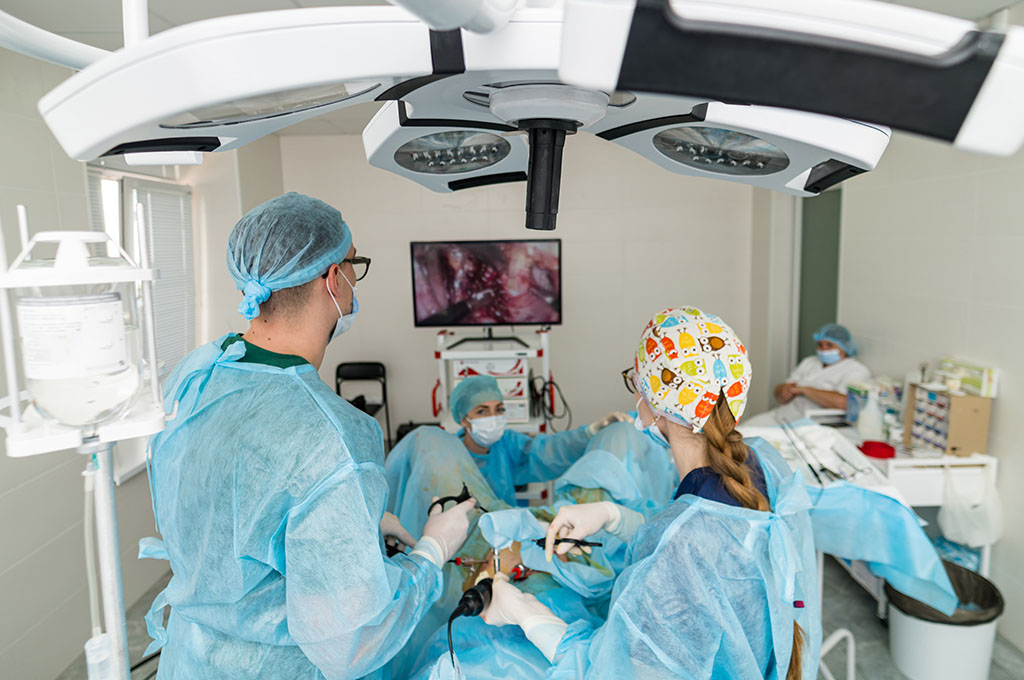
Knee problems like arthritis, ligament tears or injuries can severely impact quality of life limiting mobility and ability to undertake routine tasks. Seeking advanced care is crucial before permanent damage sets in. Robotic knee surgery in mumbai offers a transformative solution for complex cases via cutting-edge technological assistance. Understanding robotic knee replacement in mumbai It refers to a highly specialized technique utilizing a sophisticated robotic platform allowing surgeons to operate with greater precision, flexibility and control. Unlike manual handling of tissue, the surgeon seated at a console uses robotic instruments that replicate the human wrist range of motion. This enables performing very fine repairs arthroscopically through tiny incisions aided by software analytics. Need for Robotic Platform The knee joint bears its entire body weight making it vulnerable to wear and tear issues. Cases not responding well to conventional treatment often require partial or total knee replacement surgery for quality of life. Precision placement of implants while balancing soft tissue during robotic knee replacement surgery in mumbai is crucial for optimal function and longevity of implants. Robotic tool allows conducting partial repairs and complex reconstructions with reliable accuracy meeting patient specific anatomical needs. The combination of advanced imaging templating with real-time intraoperative guidance enables excellent outcomes even for revision knee procedures. Robotic surgery in mumbai Applications While clearing arthritis is routine, more complex conditions benefiting include: Precision partial knee replacement just targeting damaged sections instead of whole joint Accurately placed total knee components even during complex revisions Improved soft tissue, ligament balancing for stable prosthetic functionality Patient specific implant positioning through CT based modeling Cartilage regeneration through precise defect targeting Faster recovery and rehabilitation after muscle sparing surgery Benefits of best robotic surgeon in mumbai With greater stability and longevity of implants, quicker recovery is enabled with robotic knee surgery benefits covering: Shorter Hospital Stays Robotic surgery is less invasive keeping hospitalization limited to 72 hours in fast recovering patients. Improved Implant Alignment & PlacementSoftware assisted templating coupled with real-time adjustments ensures optimally balanced knee components. Better Ligament Preservation Muscle sparing smaller incisions lowers tissue damage aiding faster rehabilitation. Reduced Pain and TraumaPrecision surgery causes negligible collateral impact allowing lowering pain medicine use. Quicker Return to FunctionLesser scar tissue from smaller cuts helps strength return faster – often within weeks. Longer Implant Durability Well placed knee components experiencing lower wear and tear are more durable exceeding 15-20 years. With increasing adoption amongst the country’s leading orthopedic surgeons, robotic technology shall facilitate improved musculoskeletal care in the coming years at par with global healthcare standards.
Enhancing Healthcare: Robotic Surgery’s Impact in Mumbai
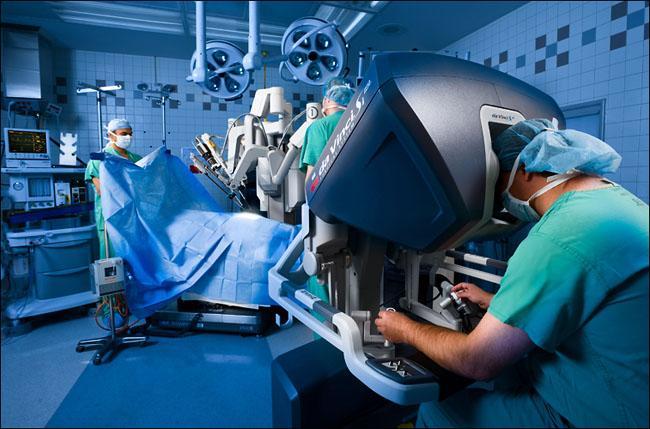
With increasing adoption by specialist doctors, robotic surgery in mumbai is transforming patient outcomes in Mumbai through minimally invasive high precision procedures, quicker recovery and reduced complications. Patients once requiring large incisions made by human hands can now benefit from state-of-the-art robotic systems operated remotely by surgeons. Understanding robotic knee surgery in mumbai It refers to a technology-assisted minimally invasive surgery method where doctors perform operations using a magnified 3D vision system and tiny instruments mounted on robotic arms that they control remotely. Instead of direct manual handling of tissue, surgeons seated at a console near patient manipulate robotic arms replicating wrist/hand movements enabling micro-scale suturing, dissection and reconstruction. The main patient benefits include: Minimized blood loss and need for transfusions Lower infection and complication rates Minimal scarring with faster healing Shorter hospitalization periods Reduced post-operative pain and safer anesthesia Quicker return to normal activity Specialized Applications While robotic platforms are still expensive for widespread application, they provide unique advantages for complex procedures like: Cancer surgeries – prostate, bladder, gynecological Cardiac valve repairs, bypass grafting Colorectal resections and reconstructions Thoracic surgery – lung tumor removal Head, neck and throat procedures Bariatric weight loss surgeries Benefits for Patients From shorter hospital stays to quicker recovery, robotic knee replacement in mumbai improves outcomes across metrics: Greater Precision The intuitive motion scaling and tremor elimination allows surgeons to operate with enhanced precision and control. This leads to better clinical results. Less Blood Loss Micro incisions coupled with stabilized tiny instruments permit more delicate tissue handling causing limited blood loss. Lesser need for transfusions lowers infection risk. Shorter Hospitalization Patients undergoing robotic procedures are discharged faster as the less invasive technique allows body to heal quicker. Most patients leave by 2nd or 3rd post op day. Reduced Pain Smaller cuts through non-muscular body areas results in less pain medicine use and lower risk of side effects. Mild discomfort replaces debilitating pain of open surgeries. Lower Complications Risks like infection, blood clots etc are fewer owing to smaller wounds, shorter anesthesia exposure and less bleeding. Direct injuries to surrounding organs are also less. Better Cosmesis Instead of large ugly scars, robotic surgery leaves tiny marks hidden well within skin creases. Improved aesthetics aids self-confidence and mental wellbeing. Faster Recovery With less pain and trauma to healthy tissue, strength returns faster and normal activity can be resumed within days instead of months needed earlier. In expert hands, best robotic surgeon in mumbai gives outstanding results surpassing expectations. As more doctors train in this futuristic technology, robotic knee replacement surgery in mumbai shall benefit from its transformative potential in their own backyard pushing healthcare benchmarks ever higher.
Empowering Patients: The Promise of Robotic Surgery in Mumbai
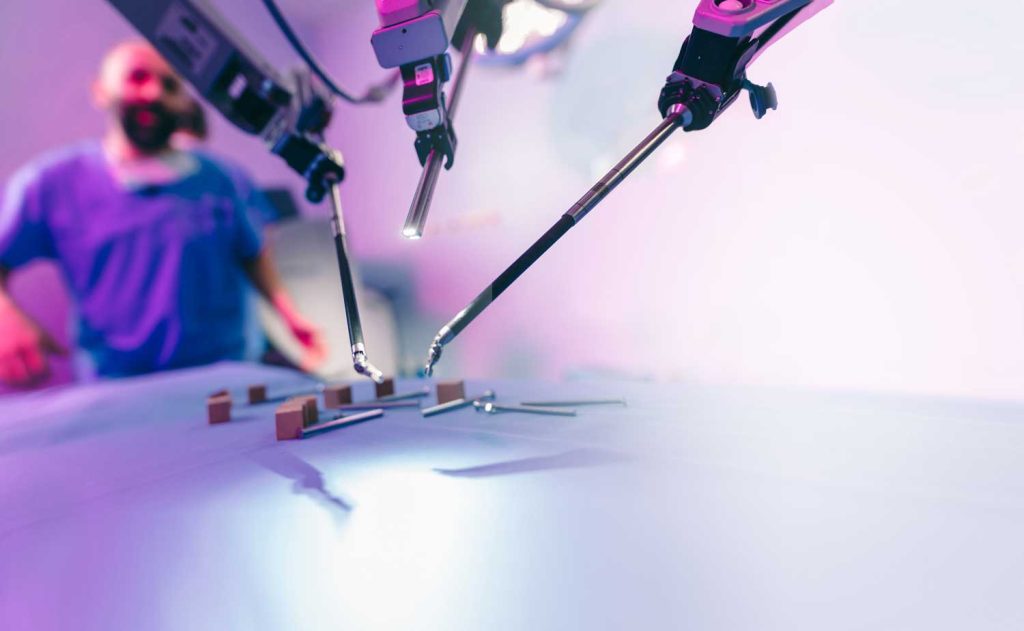
Robotic knee surgery in mumbai has emerged as one of the biggest breakthroughs in healthcare, empowering patients with minimally invasive options for major surgeries. Mumbai has become a frontrunner in adopting this advanced technology. With unparalleled precision, flexibility and visualization, robotic surgical systems are allowing complex procedures through tiny incisions. This is resulting in reduced pain, fewer complications and quicker recovery for patients compared to open surgery. Dr. Kunal Patel, urologic surgeon at Kneebotics Mumbai, shares his experience with the da Vinci Xi HD robotic surgery system. He highlights the benefits of robotic prostatectomy he performs, that allows removal of prostate cancer through small abdominal cuts. Patients walk out of the hospital within 24 hours and recover fully in days, avoiding the morbidities of conventional surgery. Dr. Kunal explains how innovative doctors in Mumbai are making such transformative robotic procedures accessible to more patients. This article dives into the current landscape, advances and future possibilities of robotic surgery in Mumbai. The Cutting Edge of Robotic Surgery Mumbai has become one of the country’s biggest hubs for robotic surgery based on the following factors: Large hospitals like Kneebotics have installed advanced robotic surgery systems like the da Vinci Xi. Over 500 specialized surgeons in the city have now been trained on robotic surgery across specialties like urology, gynecology, oncology and bariatrics. Robotic surgeries for prostate removal, kidney removal, hernia repair, hysterectomy, heart valve repairs and bariatric procedures are routine. Robotic transplants like kidney transplantation have also been successfully pioneered in Mumbai hospitals. Robotic surgeries allow complicated procedures to be completed through 1-2 cm incisions with magnified 3D HD visualization and miniaturized instruments that offer unmatched flexibility and precision. This results in less blood loss, minimal pain, smaller scars, low risk of infection and complications. Patients are often discharged in 24 hours and recover fully in days. Domestic manufacturing partnerships are helping make robotic surgery more accessible and affordable. This expanded reach promises tremendous patient benefits for India. Emerging Frontiers in robotic surgery in Mumbai Robotic knee surgery in mumbai promises to push the envelope further through technological innovation: Improved robotic systems with greater maneuverability and visualization will allow more complex surgeries like pancreas and thyroid removal to be performed. Integrating technologies like AI and augmented reality can help take robotic precision and accuracy to greater heights. Research collaborations will spur Made in India innovations like cost-effective robotic platforms for wider reach. With specialized training, robotic surgery may be extended to pediatric cases and transplant surgeries beyond kidney procedures. Telesurgery can enable remote robotic procedures through long distance connectivity. Single port robotic surgery through one small incision will minimize pain and scarring much more. Products like da Vinci SP are emerging in this domain. Domestic manufacturing partnerships will help substantially reduce costs and make robotic surgery affordable for the masses. As doctors gain more experience on these rapidly evolving robotic systems, many complex surgical procedures are expected to transition to minimally invasive techniques – translating to quicker recovery and better outcomes for patients. Robotic surgery is radically improving patient experience by enabling major operations through tiny openings. With Mumbai taking the lead, patients across India now have access to scarless, painless surgeries that get them back on their feet in no time. Pioneering doctors are ensuring expanded reach of this cutting-edge technology. Patients who once suffered through open surgeries and long recovery periods now have access to procedures with reduced risk of complications, less blood loss, shorter hospitalization and minimal downtime. As robotic surgery continues its rapid assimilation across specialties, patients can expect unparalleled outcomes for a growing range of conditions.
