
Types of Robotic Surgeries Available in Mumbai & Their Benefits
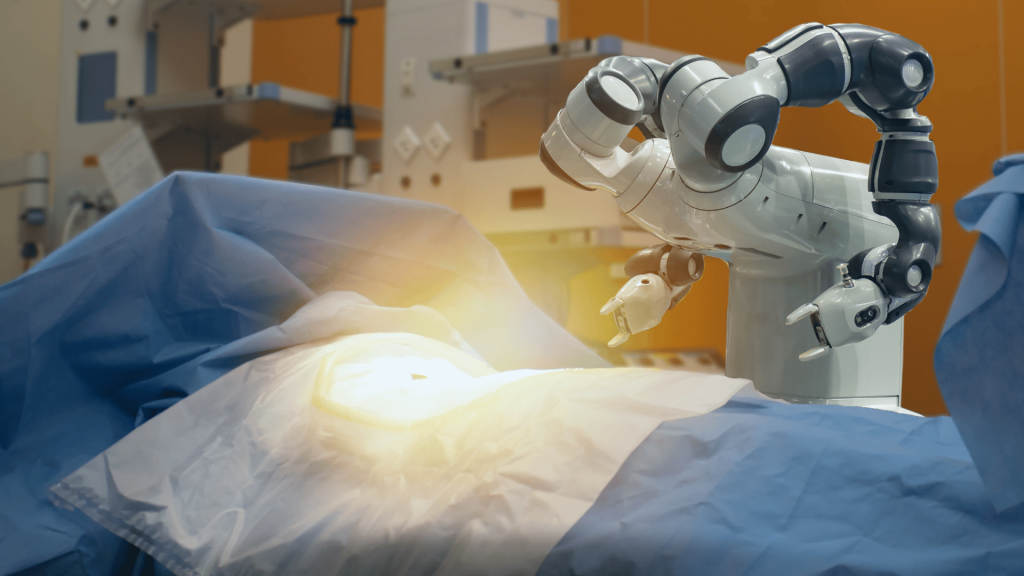
Robotic surgery is revolutionizing the way we think about medical procedures. With advanced technology at our fingertips, surgical interventions have become more precise, less invasive, and often quicker than traditional methods. In Mumbai, a bustling hub of medical innovation, robotic surgeries are gaining popularity for their numerous advantages. Patients are drawn to the promise of faster recovery times and improved outcomes. As advancements in robotics continue to shape healthcare practices, many patients are exploring their options in this exciting field. From orthopedic solutions like Kneebotics to complex procedures across various specialties, robotic surgery is making waves in Mumbai’s healthcare landscape. Let’s dive deeper into the types of robotic surgery in Mumbai available here and discover how they can transform your health journey! Advancements in Robotic Surgery Technology Robotic surgery technology has seen remarkable advancements in recent years, transforming the landscape of minimally invasive procedures. Surgeons now have access to sophisticated systems that enhance precision and control during operations. One notable innovation is the introduction of 3D visualization. This offers a clearer, more detailed view of anatomical structures, allowing for greater accuracy when navigating delicate tissues. Additionally, haptic feedback technology provides surgeons with tactile sensations as they operate. This enhances their ability to feel what’s happening within the body, leading to improved outcomes. Automation features are also gaining traction in robotic surgical systems. These can assist or even perform specific tasks autonomously, reducing surgeon fatigue and increasing efficiency during lengthy procedures. As these technologies continue to evolve, they promise not only enhanced performance but also increased safety for patients undergoing robotic surgery in Mumbai and beyond. Types of Robotic Surgeries Available in Mumbai Mumbai is becoming a hub for advanced medical procedures, particularly robotic surgeries. These innovative techniques offer precision and minimal invasiveness. One popular type is robotic-assisted laparoscopic surgery. This method allows surgeons to perform complex abdominal operations with enhanced control. It’s especially effective for gallbladder removal and hernia repairs. Another emerging option is the da Vinci surgical system, commonly used in urology and gynecology. Prostatectomies and hysterectomies benefit from this technology, leading to quicker recovery times. Orthopedic surgeries are also witnessing advancements through robotics. Procedures such as knee replacements are performed using specialized systems like Kneebotics, ensuring better alignment and reduced pain post-operation. Additionally, cardiac surgeries utilizing robotic assistance enhance patient safety while reducing hospital stays. With various types of robotic surgeries available in Mumbai, patients have access to cutting-edge options tailored to their distinct needs. Benefits of Robotic Surgeries over Traditional Surgeries Robotic surgeries offer precision that traditional methods often struggle to match. With enhanced visualization and dexterity, surgeons can perform intricate procedures with minimal invasiveness. This technology allows for smaller incisions, which translates into reduced pain and faster recovery times for patients. Many individuals find themselves back on their feet much sooner compared to conventional surgery. The risk of infection decreases significantly due to the less invasive nature of robotic techniques. Patients also enjoy shorter hospital stays, allowing them more time at home rather than recovering in a medical facility. Moreover, robotic-assisted surgeries tend to minimize blood loss during operations. This factor not only enhances patient safety but also shortens overall surgical time. With advanced tools like Kneebotics specifically designed for knee surgeries, patients have access to tailored solutions that cater directly to their needs while improving outcomes and satisfaction levels. Success Rates and Patient Experiences Success rates for robotic surgeries in Mumbai are impressively high. Many patients report significant relief from their conditions and quicker recoveries compared to traditional methods. Numerous testimonials highlight the precision of robotic systems, which minimize damage to surrounding tissues. This accuracy often translates into less postoperative pain and faster mobilization. Patients frequently share positive experiences regarding their overall hospital stays. The minimally invasive nature means smaller incisions, leading to reduced scarring and a more aesthetically pleasing result. Moreover, many individuals express satisfaction with the short recovery times associated with these procedures. It allows them to return to daily activities sooner than expected, enhancing quality of life significantly. Healthcare providers also emphasize the importance of follow-up care post-surgery. They ensure that patients feel supported throughout their healing journey, further contributing to successful outcomes and patient happiness. Cost Comparison between Robotic and Traditional Surgeries The cost of robotic surgery in Mumbai often raises questions. While it may appear higher than traditional methods, this perspective requires deeper examination. Robotic surgeries involve advanced technology and specialized training for surgeons. These factors contribute to the initial expense but can lead to significant savings in the long run. Patients typically experience shorter hospital stays with minimally invasive procedures. This reduced recovery time translates into lower overall costs related to post-operative care and lost wages. Insurance coverage also plays a vital role. Many providers are increasingly recognizing the benefits of robotic-assisted procedures, which can help offset some expenses. Understanding these financial aspects is essential for informed decision-making when considering surgical options like Kneebotics or other robotic interventions. Balancing immediate costs against potential long-term benefits helps clarify what truly matters in your healthcare journey. Factors to Consider before Opting for a Robotic Surgery Choosing robotic surgery is a significant decision that requires careful consideration. First, evaluate your medical condition and how it aligns with the types of robotic surgeries available in Mumbai. Not all procedures may be suitable for every patient. Next, consult with your healthcare provider about their experience and success rates with robotic techniques. It’s essential to understand their approach and how often they utilize this technology. Another crucial factor is the hospital’s accreditation. Ensure that you are opting for a facility known for its advanced surgical capabilities and positive patient outcomes. Consider the recovery process as well. Robotic surgeries typically offer quicker healing times, but individual experiences can vary based on personal health factors. Think about financial implications. Verify insurance coverage specifics related to robotic procedures to avoid unexpected costs later on. Conclusion robotic surgery in Mumbai is transforming the landscape of medical procedures in Mumbai. With advancements leading to precision and minimally invasive techniques,
Robotic Surgery in Mumbai: Redefining the Standard of Care in India
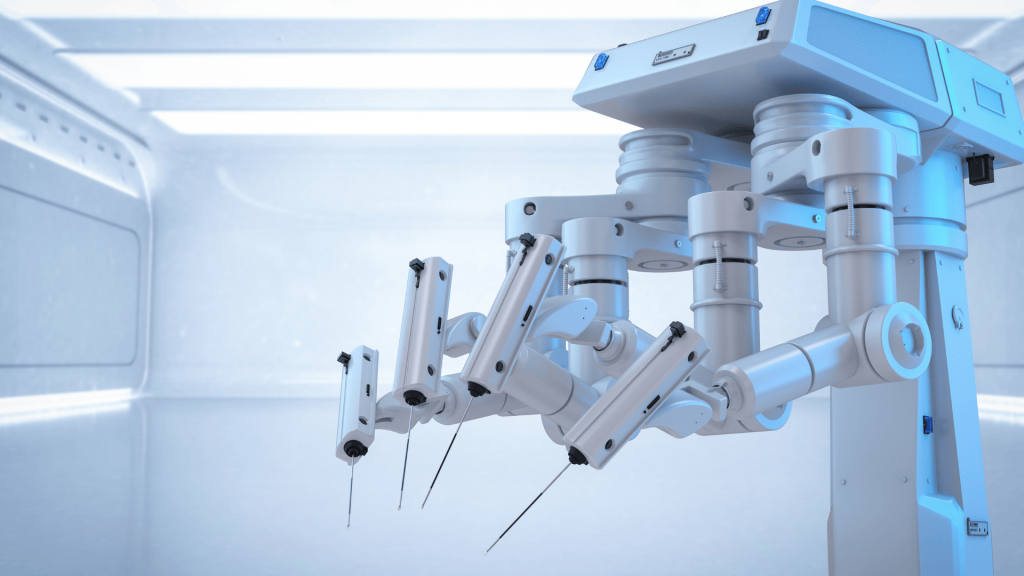
Robotic surgery is transforming the landscape of medical care, and Mumbai is at the forefront of this technological revolution. Imagine a surgical procedure where precision meets innovation—where tiny robotic instruments are guided by expert surgeons to perform complex operations with unmatched accuracy. This cutting-edge approach not only enhances outcomes but also minimizes recovery time for patients. As more hospitals in Mumbai adopt robotic systems, patients now have access to safer and more effective treatment options than ever before. Whether facing routine procedures or major surgeries, individuals can benefit from this advanced technology that redefines traditional standards of care. The surge in interest surrounding robotic surgery reflects a growing understanding among healthcare professionals and patients alike: it’s more than just a trend; it’s the future of medicine. Let’s explore how robotic surgery in mumbai and what it means for those seeking exceptional healthcare solutions. The Rise of Robotic Surgery in Mumbai Mumbai has witnessed a remarkable transformation in the field of healthcare. Robotic surgery is leading this change, becoming increasingly popular among both surgeons and patients. The introduction of advanced robotic systems has revolutionized surgical approaches. Surgeons can now perform procedures with enhanced precision and minimal invasiveness. Several hospitals in Mumbai have adopted robotic technology, showcasing its potential to improve patient outcomes significantly. This trend indicates a growing acceptance within the medical community. Moreover, ongoing training programs for surgeons ensure that expertise keeps pace with technological advancements. As more practitioners gain experience, the adoption rate continues to rise. Patients are also becoming more aware of these innovative options. With benefits like reduced recovery times and smaller scars, many are opting for robotic-assisted surgeries over traditional methods. As awareness grows, so does the demand for high-quality care that combines cutting-edge technology with compassionate treatment. Advantages of Robotic Surgery Robotic surgery offers precision that is unmatched by traditional methods. Surgeons can maneuver robotic arms with incredible accuracy, minimizing the risk of human error during complex procedures. The minimally invasive nature of these surgeries leads to smaller incisions. This results in reduced scarring and quicker recovery times for patients. Many find themselves back on their feet much sooner than expected. Another significant advantage is enhanced visualization. Surgeons benefit from high-definition 3D views inside the body, allowing them to navigate intricate structures better than ever before. Patients often experience less pain post-surgery due to reduced tissue damage. This improvement in comfort levels enhances overall patient satisfaction. Additionally, robotic systems allow for greater dexterity and flexibility compared to conventional surgical techniques. The ability to perform delicate maneuvers makes a difference in outcomes for various medical conditions. Success Stories of Robotic Surgeries in Mumbai Hospitals Mumbai’s hospitals have witnessed remarkable success stories thanks to robotic surgery. Surgeons are utilizing advanced technology to perform intricate procedures with precision. One notable case involved a complex prostatectomy at a leading hospital. The patient experienced minimal pain and was discharged within 24 hours, showcasing the benefits of quicker recovery times associated with robotic methods. Another inspiring story emerged from an orthopedic clinic where knee replacement surgeries were transformed through Kneebotics technology. Patients felt less trauma during the operation and reported significant mobility improvements shortly after. These achievements highlight not only the skill of medical professionals but also the transformative impact of robotic systems in enhancing surgical outcomes. With high levels of patient satisfaction, Mumbai is becoming a beacon for advanced healthcare practices in India. Cost Comparison with Traditional Surgeries When considering robotic surgery in Mumbai, one crucial factor is the cost. Many patients wonder how it stacks up against traditional surgical methods. Robotic surgeries often come with a higher initial price tag due to advanced technology and specialized training for surgeons. However, this can be misleading when looking at the bigger picture. Patients frequently experience shorter recovery times and reduced hospital stays. This leads to lower overall healthcare costs in many cases. Additionally, fewer complications mean less need for follow-up procedures or extended therapies. Over time, savings from decreased downtime and quicker returns to daily activities can balance out the initial investment. Moreover, insurance coverage is evolving as robotic surgery becomes more common. As hospitals adopt these techniques, they may offer competitive pricing options that make them accessible for a broader range of patients seeking innovative care solutions like Kneebotics. Challenges and Limitations Robotic surgery in Mumbai, while groundbreaking, faces several challenges. One significant hurdle is the high cost associated with these advanced systems. Many patients may find robotic procedures out of reach due to financial constraints. Training medical professionals also presents an obstacle. Surgeons need extensive education and practice to master robotic techniques effectively. This learning curve can delay widespread adoption. Not all hospitals have access to cutting-edge robotic platforms like Kneebotics. Limited availability means that many patients may not get the option for minimally invasive surgical methods. Technological limitations are another concern. While robots enhance precision, they rely heavily on software and hardware that must be regularly updated and maintained. Any technical failure during a procedure can lead to serious complications. There’s still some skepticism among patients regarding robot-assisted surgeries versus traditional methods which can hinder acceptance in certain demographics. Future of Robotic Surgery in India The future of robotic surgery in India looks promising and vibrant. With advancements in technology, more hospitals are integrating robotic systems into their surgical practices. This evolution enhances precision and improves patient outcomes. Training programs for surgeons are becoming increasingly prevalent. These initiatives ensure that medical professionals are well-equipped to handle advanced robotic equipment effectively. Moreover, as awareness grows among patients about the benefits of minimally invasive procedures, demand is likely to rise. This shift could lead hospitals to adopt even more sophisticated robotic solutions tailored to various specialties. Research and development will play a crucial role too. Innovative companies focused on enhancing robotics can tailor solutions specifically for Indian healthcare needs, making surgeries safer and more efficient. The landscape is evolving rapidly; soon, we may see robots assisting with complex procedures across numerous disciplines, transforming how surgeries are performed nationwide. Conclusion
Advanced Robotic Surgery in Mumbai: Expertise of the Best Surgeons
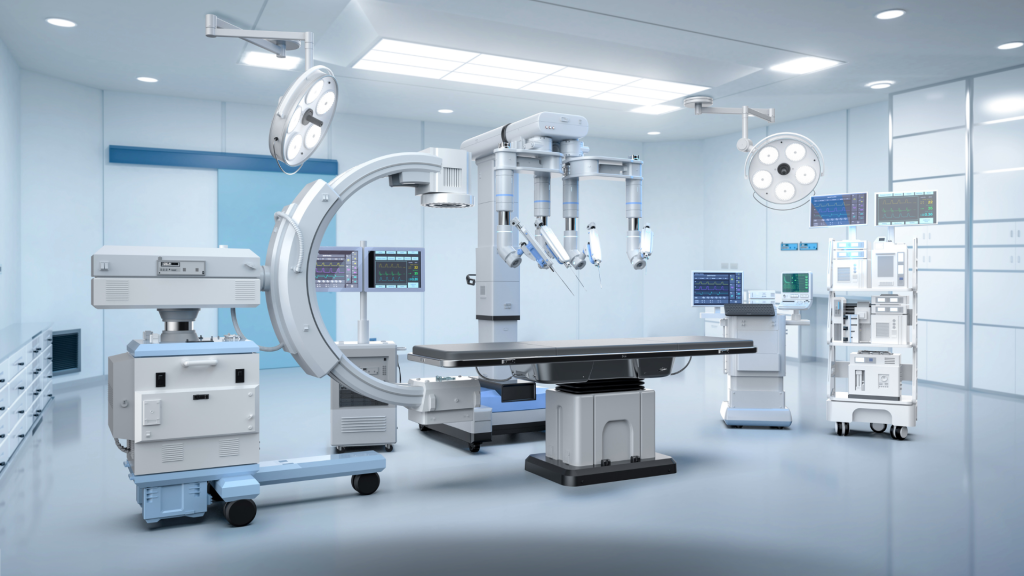
Robotic surgery is revolutionizing the way we think about medical procedures. With advanced technology at their fingertips, surgeons can now perform intricate operations with unparalleled precision and control. Imagine a world where complex surgeries are less invasive, recovery times are shorter, and patients experience minimal pain. This is not just a dream—it’s becoming a reality, especially in bustling Mumbai. As healthcare continues to evolve, the city has emerged as a hub for cutting-edge robotic surgical techniques. The best robotic surgeon in Mumbai is harnessing this innovation to provide exceptional care that transforms patient outcomes. Whether it’s orthopedic procedures or delicate soft tissue repairs like Kneebotics, the advantages of robotic surgery are making waves across various specialties. Join us on an exploration of what makes robotic surgery stand out from traditional methods and how it’s reshaping patient experiences in Mumbai’s top hospitals. Discover success stories that highlight its effectiveness, learn what to expect if you’re preparing for such a procedure, and delve into the challenges ahead for this groundbreaking field of medicine. Your journey toward understanding advanced surgical solutions starts here! Advantages of Robotic Surgery Over Traditional Surgery Methods Robotic surgery offers several advantages that surpass traditional methods. Precision is a key benefit. Surgeons use robotic systems to navigate complex anatomy with incredible accuracy, minimizing damage to surrounding tissues. Another notable advantage is reduced recovery time. Patients often experience less pain and shorter hospital stays. This means quicker returns to daily activities. The minimally invasive nature of robotic procedures leads to smaller incisions. Smaller cuts not only enhance cosmetic outcomes but also reduce the risk of infection significantly. Additionally, advanced technology provides surgeons with enhanced visualization through 3D imaging and magnification. This clarity allows them to make more informed decisions during surgery. Robotic surgery can improve surgical outcomes overall, providing patients with better results in both short- and long-term health related aspects. The Growth of Robotic Surgery in Mumbai Mumbai has emerged as a hub for advanced robotic surgery, showcasing significant growth over the past decade. With cutting-edge technology and skilled professionals, hospitals across the city are adopting robotic systems to enhance surgical precision. The introduction of platforms like da Vinci Surgical System has revolutionized procedures ranging from urology to gynecology. Surgeons can now perform minimally invasive surgeries with improved outcomes and reduced recovery times. Training programs have also flourished, equipping local surgeons with expertise in this innovative field. Many of the best robotic surgeons in Mumbai continuously refine their skills through workshops and collaborations with international experts. Patient awareness is on the rise too. Individuals seeking less invasive treatment options are increasingly opting for robotic-assisted surgeries, driving demand and further stimulating advancements within healthcare facilities throughout the region. Success Stories and Patient Testimonials Patients often share their transformational journeys after undergoing robotic surgery, highlighting the remarkable precision and care they received. One such story is that of Riya, a 45-year-old woman who battled severe knee pain. After her procedure with one of the best robotic surgeons in Mumbai, she experienced immediate relief and regained her mobility. Another inspiring account comes from Rajesh, a retired teacher who underwent prostate surgery. He praised the minimally invasive technique that allowed him to return home within days instead of weeks. Many testimonials emphasize reduced recovery times and minimal scarring as significant advantages of this advanced approach. Patients express gratitude for their improved quality of life, eager to resume daily activities without discomfort or limitations. These real-life experiences showcase how Kneebotics technology has made meaningful impacts on countless lives through expert surgical intervention. Each story serves as motivation for others considering similar paths toward healing. Preparing for Robotic Surgery: What to Expect Preparing for robotic surgery involves understanding the procedure and the steps leading up to it. Your healthcare team will provide detailed instructions tailored to your needs. Before your surgery, you may undergo various tests, including blood work and imaging scans. These assessments help ensure that you’re a suitable candidate for this advanced technique. Discuss any medications or supplements you take with your surgeon. Some may need to be paused prior to the operation. On the day of surgery, arrive early at the hospital. This allows time for pre-operative procedures and discussions with your surgical team. Wear comfortable clothing and leave valuables at home. You’ll receive anesthesia before the procedure begins, so it’s essential not to eat or drink beforehand as instructed by your doctor. Understanding these steps can ease anxiety and prepare you mentally for what’s ahead in this innovative surgical journey. Challenges and Future Developments in Robotic Surgery Robotic surgery is not without its challenges. High costs associated with robotic systems can limit accessibility for many patients. Hospitals must weigh the financial burden against potential benefits, often leading to disparities in care. Training medical professionals to operate these complex machines is another hurdle. Surgeons need specialized education and hands-on experience to ensure safety and effectiveness. Future developments will likely address these issues. As technology advances, we may see reduced costs and more intuitive interfaces that simplify operation. Innovative designs could also enhance surgical precision while minimizing recovery time for patients. Integration with AI may further improve outcomes by providing real-time data analysis during procedures. The landscape of robotic surgery is evolving rapidly, promising exciting changes ahead that could revolutionize patient care in Mumbai and beyond. Conclusion Advanced robotic surgery has transformed the landscape of medical procedures in Mumbai. The precision and efficiency offered by this technology are unmatched, allowing surgeons to perform complex operations with minimal invasiveness. As patients seek the best robotic knee surgery in mumbai, they can find assurance in a growing network of skilled professionals dedicated to their craft. The stories from those who have undergone these innovative surgeries speak volumes about its benefits. With numerous success stories highlighting improved recovery times and reduced pain, it’s clear that patients are reaping the rewards of cutting-edge technology like Kneebotics. As advancements continue to unfold, the future looks promising for robotic surgery. While challenges remain—such as accessibility and training—the commitment
Why Robotic Surgery in Mumbai is Gaining Popularity Among Patients
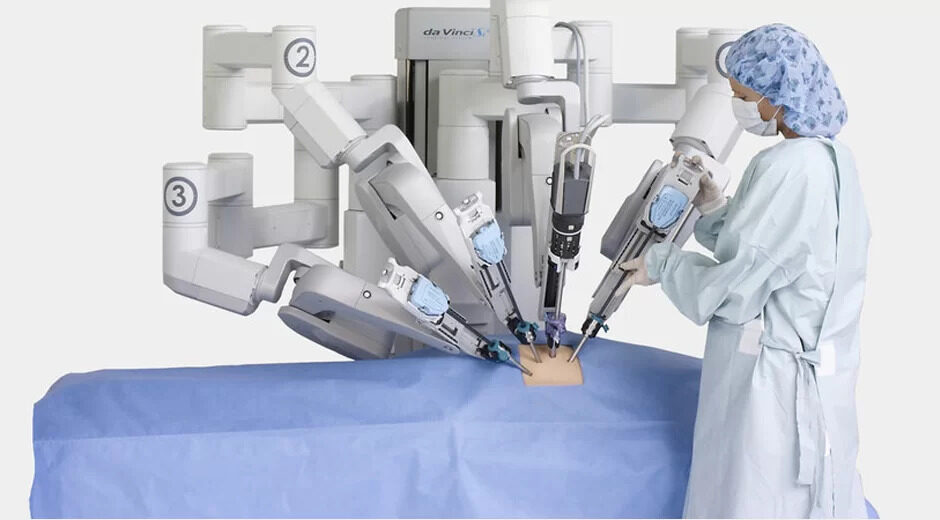
Robotic surgery is transforming the landscape of healthcare in Mumbai. As technology continues to evolve, patients are increasingly drawn to this innovative approach that promises precise, minimally invasive procedures. With its ability to enhance surgical accuracy and reduce recovery times, robotic surgery has captured the attention of both doctors and patients alike. Imagine undergoing a complex procedure with smaller incisions and less pain than traditional methods. This is not just a distant dream; it’s becoming a reality for many individuals seeking medical treatment in Mumbai. The city’s hospitals are rapidly adopting advanced robotic systems, making cutting-edge care more accessible than ever before. As we delve into the world of robotic surgery in Mumbai, you’ll discover why it’s gaining traction among patients looking for safer, more efficient options. From technological advancements to patient testimonials—let’s explore what makes this surgical method stand out. Advancements in Robotic Surgery Technology Robotic surgery technology has evolved significantly in recent years, making procedures safer and more effective. Innovations like enhanced imaging systems provide surgeons with remarkable views of the surgical site. This clarity allows for precision that traditional methods simply cannot match. Additionally, advancements in robotic instruments have led to greater dexterity. Surgeons can now maneuver tools with extreme accuracy, mimicking natural hand movements. This results in smaller incisions and reduced trauma to surrounding tissues. Moreover, there are improvements in data analytics and artificial intelligence integration. These technologies assist surgeons by analyzing patient-specific factors, ultimately guiding them toward optimal surgical approaches. As a result, robotic surgery is becoming more adaptable across various specialties such as urology, gynecology, and orthopedics. The continuous infusion of research and development ensures that patients receive cutting-edge care tailored to their needs. Benefits of Robotic Surgery for Patients Robotic surgery offers numerous benefits that can significantly enhance the patient experience. One of the primary advantages is precision. The advanced robotic systems allow surgeons to perform intricate procedures with greater accuracy than traditional methods. Another benefit is minimal invasiveness. Smaller incisions reduce trauma, leading to less pain and a quicker recovery time. Patients often find themselves back on their feet faster compared to open surgeries. Additionally, this technology minimizes blood loss during operations, which is crucial for patient safety. Shorter hospital stays are also common, allowing patients to return home sooner. Furthermore, many report improved postoperative outcomes and reduced risk of complications. This combination of factors makes robotic surgery an appealing option for those seeking effective treatment in Mumbai’s healthcare landscape. Cost Comparison Between Traditional and Robotic Surgery When considering surgical options, cost is a significant factor for many patients. Traditional surgery often appears more affordable upfront. However, this perspective can be misleading when evaluating long-term outcomes. Robotic surgery in Mumbai typically involves higher initial costs due to advanced technology and specialized training. Yet, these expenses may pay off later through reduced hospital stays and quicker recovery times. Patients undergoing robotic procedures often experience fewer complications, which translates to lower follow-up care costs. Additionally, less post-operative pain means fewer medications are required. Insurance coverage can also vary between the two methods. Patients need to check with their providers regarding reimbursement policies. While the sticker shock of robotic surgery might deter some initially, a deeper dive into potential savings reveals it could be a wise investment in health and well-being. Success Rates of Robotic Surgery in Mumbai Robotic surgery in Mumbai has shown impressive success rates across various procedures. Hospitals equipped with advanced robotic systems report outcomes that often surpass traditional methods. Studies indicate lower complication rates and quicker recovery times for patients undergoing robotic-assisted surgeries. This is particularly evident in fields such as urology, gynecology, and orthopedics. Surgeons benefit from enhanced precision, allowing for more targeted interventions. Many patients experience minimal scarring due to smaller incisions, which also contributes to faster healing. Notably, the rate of postoperative infections tends to be reduced with this approach. Healthcare providers in Mumbai are continually refining techniques and protocols associated with robotic surgery. As surgeons gain expertise, the overall effectiveness of these procedures continues to improve significantly. This trend underscores a growing confidence among both medical professionals and patients regarding the benefits of choosing robotic-assisted surgical options. Patient Testimonials and Experiences Patients who have undergone robotic surgery in Mumbai often share transformative experiences. Many describe a sense of relief and empowerment after choosing this advanced option. One patient, for instance, highlighted the reduced recovery time. They were back to their daily routine within days instead of weeks. The precision of the procedure minimized pain and led to fewer complications. Another individual spoke about their anxiety before surgery. However, the surgeon’s thorough explanation of the robotic system alleviated those fears. Feeling reassured made all the difference during their journey. Several testimonials mention impressive outcomes as well. Patients appreciate not just physical improvements but also enhanced quality of life post-surgery. These personal stories reflect a growing trust in robotic technology among healthcare seekers in Mumbai. The human touch combined with cutting-edge innovation has truly left an impact on countless lives here. Future of Robotic Surgery in Mumbai The future of robotic surgery in Mumbai looks exceptionally bright. As technology continues to advance, the capabilities of robotic systems are expanding rapidly. Surgeons are gaining access to even more sophisticated tools that enhance precision and control during procedures. With ongoing training programs for medical professionals, expertise in this field is set to grow. More hospitals are investing in state-of-the-art robotic systems, making these innovative solutions widely available across the city. Patient awareness is also increasing. People are becoming more informed about their surgical options and often prefer minimally invasive techniques offered by robotics. Research into new applications for robotic surgery continues at a steady pace, with possibilities ranging from orthopedic procedures to complex cardiac surgeries. This evolution holds promise not only for improved outcomes but also for revolutionizing patient care experiences throughout Mumbai’s healthcare landscape. Conclusion: Is Robotic Surgery the Right Option for You? As the field of medicine continues to evolve, robotic surgery stands out as a groundbreaking advancement.
Is Joint Replacement Surgery Worth the Cost in Mumbai? Here’s What to Consider

As joint pain and mobility issues become increasingly common due to age, lifestyle, or injury, joint replacement surgery emerges as a life-changing option for many. However, considering the significant financial commitment, patients often wonder if joint replacement surgery is truly worth the cost, especially in a city like Mumbai, where access to advanced medical care is readily available. If you are weighing your options and wondering about the joint replacement surgery cost in Mumbai and the advantages of newer techniques like robotic surgery, this guide will help you make an informed decision. 1. Understanding Joint Replacement Surgery Joint replacement surgery is a medical procedure that involves removing damaged or worn-out parts of a joint and replacing them with artificial components called prosthetics. Common joints replaced include the knee, hip, and shoulder, with knee and hip replacements being the most frequent. These surgeries aim to restore joint function, relieve pain, and improve the quality of life for patients suffering from arthritis, trauma, or degenerative joint diseases. In Mumbai, joint replacement procedures have evolved with advanced techniques like minimally invasive surgery, and even robotic-assisted methods, which offer higher precision and potentially faster recovery times. The surgical approach directly impacts the procedure’s cost, as newer technologies generally come at a premium. Understanding your options is essential to balancing your budget with the level of care and technology you prefer. 2. Factors Affecting Joint Replacement Surgery Cost in Mumbai The cost of joint replacement surgery varies based on several factors: a. Type of Joint Replacement Knee Replacement: This is one of the most common joint replacement surgeries, with options for total or partial knee replacement. The choice between traditional surgery and robotic knee replacement in mumbai also impacts costs, with robotic methods generally costing more. Hip Replacement: Hip replacements can involve partial or total replacement. The procedure’s complexity and the prosthetic quality significantly affect the cost. Shoulder and Other Joints: Although less common, shoulder, elbow, and ankle replacements are also available. These surgeries may be more expensive due to the complexity and specialized nature of these joints. b. Surgical Technique Traditional vs. Robotic Surgery: Robotic surgery is becoming more popular due to its precision and potentially better outcomes. However, the robotic knee surgery in mumbai is usually higher than traditional surgery due to the advanced equipment and specialized training required for surgeons. Minimally Invasive vs. Open Surgery: Minimally invasive techniques tend to be less painful, offer faster recovery, and result in smaller scars, but they may increase overall costs due to the skill and technology involved. c. Choice of Hospital and Surgeon Hospital Reputation: Renowned hospitals in Mumbai, such as Lilavati Hospital, Kokilaben Dhirubhai Ambani Hospital, and Nanavati Super Speciality Hospital, typically charge more for joint replacement surgeries due to their cutting-edge facilities, experienced staff, and post-operative care options. Surgeon’s Experience: Highly experienced orthopedic surgeons with advanced specialization in joint replacement often command higher fees. d. Type and Quality of Prosthetics The materials used in prosthetics vary from metal and plastic to ceramic or high-grade polymers. Higher quality materials are more durable and comfortable but can add to the cost. e. Hospitalization and Post-Surgery Care The length of stay and type of post-operative care (e.g., physiotherapy, rehabilitation, home care) are crucial cost factors. Premium facilities often offer comprehensive post-operative packages, which, while adding to the expense, are beneficial for recovery. 3. Benefits of Joint Replacement Surgery: What Makes It Worth Considering? While the costs are significant, joint replacement surgery offers several advantages that can make the expense worthwhile: Pain Relief Chronic joint pain due to arthritis, trauma, or degeneration can severely impact quality of life. Joint replacement surgery provides long-term relief from pain, allowing patients to lead an active, comfortable life. Improved Mobility Joint replacement improves joint functionality, making it easier to move around and engage in physical activities. Patients who were previously confined to limited movement can walk, exercise, and participate in daily activities pain-free. Enhanced Quality of Life For many, joint replacement surgery restores independence and the ability to perform daily tasks without pain or limitation. This improvement in lifestyle can have positive effects on mental well-being as well. High Success Rates and Longevity Modern joint replacement surgeries boast high success rates, and the lifespan of high-quality prosthetics can exceed 15–20 years, making the procedure a worthwhile investment in long-term health and happiness. 4. How to Finance Joint Replacement Surgery in Mumbai Given the high costs, many patients in Mumbai consider financing options for joint replacement surgery. Here are some strategies: Health Insurance Coverage Many health insurance policies in India cover joint replacement surgeries. However, it’s essential to understand the specifics of your plan, including pre-authorization requirements, coverage limits, and whether robotic-assisted procedures are included. Medical Loans and EMIs Some hospitals partner with financial institutions to offer medical loans or installment payment options. Medical loans with flexible EMIs can help spread the cost of surgery over several months or years. Government Assistance Programs Certain government schemes, like Ayushman Bharat, may cover joint replacement surgeries for eligible patients. Checking with local hospitals or government websites for eligibility information can be beneficial. 5. Questions to Ask Your Surgeon Before Proceeding When considering robotic knee replacement surgery in mumbai, asking the right questions will help clarify the value and necessity of the procedure. Here are some key questions: Am I a good candidate for joint replacement surgery? What are the expected outcomes, and how long will the prosthetic last? Is robotic knee replacement suitable for my case, and how does it compare to traditional surgery? What are the potential risks and complications? What will the recovery process look like, and what kind of post-operative support is available? Can I expect a full return to normal activities, and how soon? These questions will help set realistic expectations and prepare you for the journey ahead. 6. Is Joint Replacement Surgery in Mumbai Worth the Cost? Final Thoughts Ultimately, deciding whether robotic surgery in mumbai is worth the cost involves weighing several factors: the severity of your
