
Mumbai’s Robotic Orthopedics: Unveiling the Finest Knee Replacement Centers
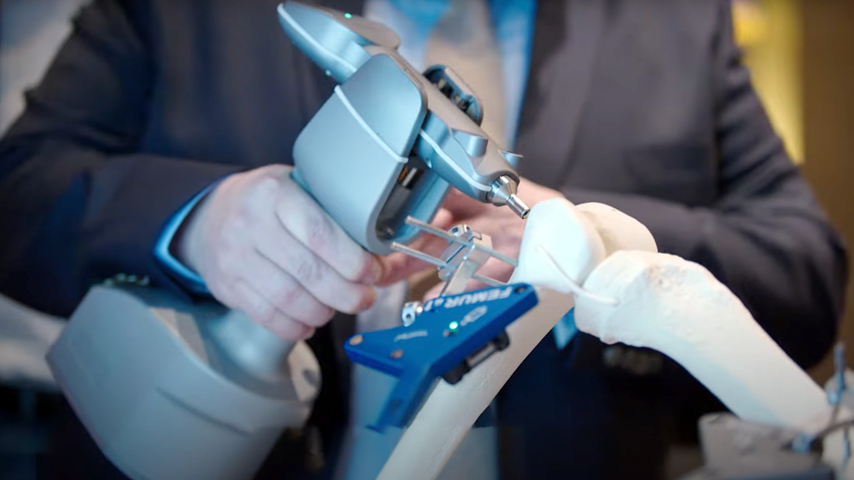
Mumbai’s Robotic Orthopedics: Unveiling the Finest Knee Replacement Centers Imagine waking up every morning dreading the first step out of bed — that sharp, grinding pain in your knee that follows you through every staircase, every walk to the market, every moment you simply want to live freely. For millions of Indians, knee arthritis is not just a medical condition; it is a daily battle that chips away at independence and joy. Fortunately, the landscape of orthopedic care has transformed dramatically. Mumbai, India’s healthcare capital, now stands at the forefront of a surgical revolution — robotic knee replacement in Mumbai — offering patients unprecedented precision, faster recovery, and longer-lasting results. This guide takes you inside Mumbai’s finest knee replacement centers and explains why robotic orthopedics is the gold standard of care today. Understanding Knee Arthritis: When Pain Becomes Unbearable Knee arthritis is among the most prevalent chronic conditions in India, affecting an estimated 15% of adults over 60. It occurs when the protective cartilage that cushions the knee joint gradually wears away, causing the bones to rub against each other. Over time, this leads to inflammation, structural damage, and significant functional limitation. Common Symptoms of Knee Arthritis Persistent pain or aching around the knee joint, especially after activity Morning stiffness that improves with movement but returns after rest Swelling and warmth around the joint due to inflammation A grinding or crunching sensation (crepitus) during movement Difficulty walking, climbing stairs, or rising from a seated position Visible deformity or bowing of the knee in advanced cases When Is Surgery Recommended? Orthopedic specialists typically recommend a stepwise approach. Conservative treatments — including anti-inflammatory medications, physiotherapy, weight management, and corticosteroid or hyaluronic acid injections — are tried first. However, when these measures fail to provide adequate relief and the patient’s quality of life is significantly compromised, total or partial knee replacement surgery becomes the most effective long-term solution. A board-certified orthopedic surgeon will evaluate your X-rays, MRI scans, symptom history, and functional limitations before recommending surgery. What Is Robotic Knee Replacement Surgery? Traditional knee replacement surgery, while highly effective, relies heavily on manual measurements, standard instruments, and the surgeon’s visual judgment. Robotic knee replacement surgery introduces a new level of precision that was previously impossible to achieve with the naked eye and hand tools alone. How Robotic Systems Like MAKO Work The most widely adopted robotic platform in premium orthopedic centers is the MAKO Robotic-Arm Assisted Surgery System by Stryker. Here is how the process unfolds: Pre-operative CT Scan: Before surgery, a detailed CT scan of your knee is taken. This data is used to create a precise 3D virtual model of your unique joint anatomy. Personalized Surgical Plan: Your surgeon uses this 3D model to plan the exact positioning, sizing, and alignment of the implant — customized specifically for your bone structure. Robotic-Arm Assistance During Surgery: In the operating room, the robotic arm assists the surgeon in executing the pre-planned cuts with extraordinary accuracy. If the surgeon’s hand moves outside the defined boundary, the robotic system automatically stops — providing a critical safety mechanism. Real-Time Feedback: Throughout the procedure, the system provides continuous data on implant positioning and soft tissue balance, allowing the surgeon to make immediate adjustments. Key Advantages of Robotic Knee Replacement in Mumbai Sub-millimeter precision in bone cutting and implant placement Better implant alignment that mimics natural knee mechanics Reduced risk of implant loosening, instability, or premature wear Less damage to surrounding soft tissue and muscle Faster recovery with shorter hospital stays Greater longevity of the implant — potentially lasting 20–25 years or more Choosing robotic knee replacement in Mumbai at a well-equipped facility means you benefit from this cutting-edge technology guided by experienced hands, resulting in outcomes that traditional surgery simply cannot match consistently. Mumbai’s Premier Robotic Knee Replacement Centers: What Sets Them Apart Mumbai is home to several internationally accredited hospitals and specialized orthopedic clinics that have invested in robotic surgical infrastructure and world-class orthopedic talent. When evaluating a center for robotic knee replacement surgery in Mumbai, here are the critical differentiators to look for: 1. NABH/JCI Accreditation and Surgical Infrastructure Top-tier hospitals in Mumbai hold accreditations from the National Accreditation Board for Hospitals (NABH) and, in some cases, the Joint Commission International (JCI). These certifications ensure that the hospital meets strict standards for patient safety, sterilization protocols, surgical infrastructure, and post-operative care. A dedicated orthopedic operation theater equipped with laminar airflow — which minimizes infection risk — is a non-negotiable feature. 2. Experienced and Fellowship-Trained Orthopedic Surgeons The robot is a tool; the surgeon is the expert. The best outcomes in robotic knee replacement in Mumbai come from surgeons who are: MS (Orthopaedics) qualified with DNB or equivalent post-graduate training Fellowship-trained in joint replacement surgery, ideally from reputed institutions in India, the UK, USA, or Germany Certified and extensively trained on robotic platforms like MAKO Experienced in performing both partial and total knee replacements using robotic assistance Committed to minimally invasive, muscle-sparing surgical techniques 3. Comprehensive Rehabilitation Programs Surgery is only half the journey. The finest centers in Mumbai offer dedicated physiotherapy and rehabilitation programs that begin within 24 hours of surgery. Structured rehab protocols — including early mobilization, gait training, and strength exercises — are integral to achieving the best functional outcomes and getting patients back to their active lives as quickly as possible. The Robotic Knee Replacement Journey: What Patients Can Expect Understanding the full surgical journey helps patients feel informed, confident, and prepared. Here is a step-by-step overview of what to expect when you opt for robotic knee replacement surgery in Mumbai: Before Surgery Detailed consultation and clinical examination with your orthopedic surgeon Imaging (X-rays, CT scan) for 3D surgical planning Pre-anesthesia check-up and medical fitness evaluation Counseling on what to expect post-surgery and how to prepare your home for recovery During Surgery Performed under spinal or general anesthesia (typically 1.5 to 2 hours) Surgeon uses the robotic arm to execute the pre-planned bone cuts and implant positioning Soft tissue balancing is
Navigating Knee Pain: The Role of Robotic Surgery in Mumbai

Knee pain can significantly impact daily life, limiting mobility and causing discomfort. For residents of Mumbai seeking advanced solutions for knee issues, the realm of robotic knee replacement surgery in Mumbai has emerged as a transformative option. In this guide, we delve into the role of robotic surgery in Mumbai, specifically focusing on its application in knee pain management through robotic knee replacement surgery. 1. Precision in Joint Replacement: Robotic knee replacement surgery in Mumbai brings a new level of precision to joint replacement procedures. The robotic system assists surgeons in mapping the patient’s anatomy with unparalleled accuracy, allowing for customized surgical plans tailored to individual variations. This precision is crucial for optimizing implant placement and alignment. 2. Personalized Surgical Plans: One of the key advantages of robotic knee replacement surgery is the ability to create personalized surgical plans. The robotic system in Mumbai utilizes preoperative imaging to generate a 3D model of the patient’s knee, enabling surgeons to plan the procedure with meticulous detail. This personalized approach contributes to improved outcomes and patient satisfaction. 3. Minimally Invasive Techniques: Robotic knee replacement surgery in Mumbai emphasizes minimally invasive techniques. The robotic system aids surgeons in performing the procedure through smaller incisions, reducing trauma to surrounding tissues. This approach leads to less postoperative pain, faster recovery times, and a shorter hospital stay for patients undergoing knee replacement. 4. Improved Implant Positioning: Achieving optimal implant positioning is critical for the success of knee replacement surgery. The robotic system enhances the surgeon’s ability to precisely position implants, ensuring proper fit and alignment. This contributes to long-term joint stability, functionality, and reduces the risk of complications. 5. Enhanced Navigation and Real-time Feedback: During robotic knee replacement surgery in Mumbai, the system provides enhanced navigation capabilities and real-time feedback. Surgeons receive continuous updates on the progress of the procedure, allowing for immediate adjustments as needed. This real-time feedback ensures the accuracy and safety of the surgery. 6. Reduced Blood Loss and Scarring: The minimally invasive nature of robotic knee replacement surgery results in reduced blood loss during the procedure. Additionally, smaller incisions lead to minimal scarring, offering aesthetic benefits to patients. The combination of these factors contributes to a more comfortable postoperative experience. 7. Accelerated Rehabilitation: Patients undergoing robotic knee replacement surgery in Mumbai often experience accelerated rehabilitation compared to traditional methods. The precision in surgery and minimally invasive techniques contribute to quicker recovery times, allowing individuals to resume daily activities and regain mobility sooner. 8. Long-term Durability and Patient Satisfaction: Robotic knee replacement surgery aims for long-term durability and patient satisfaction. By optimizing implant placement, alignment, and overall surgical precision, this advanced approach enhances the likelihood of a successful and enduring outcome. Patients can expect improved functionality and reduced knee pain for the long term. Conclusion: Pioneering a New Era in Knee Pain Management Robotic knee surgery in Mumbai represents a significant advancement in the field of orthopedics, offering a pioneering approach to knee pain management. With its focus on precision, personalization, and minimally invasive techniques, robotic surgery stands as a beacon of hope for individuals seeking effective and advanced solutions for knee issues. Residents of Mumbai navigating knee pain can explore the transformative possibilities offered by robotic knee replacement surgery, embracing a new era in orthopedic care.
Risks & Complications of Robotic Knee Surgery

Robotic knee surgery has garnered a significant amount of attention in recent times. It is due to the precision and accuracy offered by the robotic systems used in it. Although this advanced technology has numerous benefits to offer, it is important to be aware of its potential risks and complications as well. Kneebotics, the leading centre of robotic knee replacement surgery in mumbai, provides an overview of the risks and complication associated with robotic surgery which are mentioned below: 1. Infections: Any surgical procedure runs the risk of post- operative infections. Despite taking all preventive measures to control infections, there is still a risk of developing them. Symptoms include pain, redness, swelling or discharge from the surgical site. The early detection and timely treatment can minimize complications. 2. Blood Clots: Robotic knee surgery runs the risk of blood clot development in the legs which is known as deep vein thrombosis (DVT). These clots can prove dangerous if they reach the lungs and cause a pulmonary embolism. Patients are prescribed blood-thinning medications, early mobilization and compression stockings to minimize this risk. 3. Nerve or Blood Vessel Damage: Although robotic surgery minimizes tissue trauma, there can still be risk of damage to the nerves or blood vessels. It can lead to damages of temporary or permanent sensory changes, numbness and blood supply impairment. 4. Complications related to Implants: Robotic surgery runs the risk of implant-related complications which include dislocation, instability, component loosening and wear/ tear. While the technique aims to optimize the implant positioning, patient anatomy and rehabilitation also determine the long-term success of the implant. 5. Allergic Reactions: Patients may have adverse allergic reactions to the materials used in knee implants. The materials can be metals or bone cement. Allergies can cause swelling and rashes etc. Allergies can be identified by preoperative testing and accordingly appropriate implant selection can be made. 6. Anaesthesia-related Risks: General or regional anaesthesia used in robotic surgery pose risks which include adverse reactions to medications, respiratory complications or cardiovascular complications. Anaesthesia providers should carefully assess the patients before surgery to minimize the potential risks. 7. Postoperative Pain and Rehabilitation risks: Patients may experience postoperative pain. Rehabilitation after surgery also plays a crucial role in optimizing results but it can demand proper commitment from the patient. Following a proper rehabilitation program and pain management strategies can help regain knee function. Robotic knee surgery has its own set of potential risks and complications for which surgeons take precautions. Patients should have open communication with their doctors to address any concerns. of such risks. Patients can maximize the benefits of robotic knee surgery if they are aware of the complications and can make informed decisions to achieve successful outcomes.
Robot-Assisted Surgery: Advantages & Disadvantages

Robotic surgery is a cutting-edge technology that has become more and more common in recent years. It entails the use of computer-controlled robots to help surgeons with difficult operations. Although this kind of robotic knee replacement surgery in Mumbai has some benefits over conventional surgical techniques, it also has drawbacks. To help you better comprehend this cutting-edge medical technology, we will examine the advantages and disadvantages of robot-assisted surgery. Advantages of Robot-Assisted Surgery Enhanced precision: Human surgeons would find it challenging to reproduce the tiny, precise motions made by robots. This may result in better results and a lower chance of problems. Decreased chance of complications: Because robots can move with such accuracy, there may be a lower chance that things like bleeding or infection may go wrong. As a result, patients may recover more quickly. Reduced pain and scarring: Patients may suffer less pain and scarring as a result of robots’ ability to make smaller incisions. This may also result in a quicker recovery period. Better results: According to certain research, people who have robotic surgery do so more successfully than those who undergo conventional surgery. Disadvantages of Robot-Assisted Surgery High price: The cost of the tools and technology required for robot-assisted surgery may prevent certain patients from having it. Restricted accessibility: Not all medical facilities have the tools and the personnel required for robot-assisted surgery. Restricted to specific processes: While robots can assist in a wide range of procedures, there are still some procedures that cannot be performed using robots Surgeon dependence on technology: Using too much technology can occasionally result in a loss of manual dexterity, therefore the surgeon should be well-trained to use both the robot and the technology. In conclusion, robotic knee replacement surgery in Mumbai is a promising technology that offers a number of advantages over traditional surgical methods. However, it is important to consider the cost and availability of this technology, as well as the limitations of the procedures that can be performed using robots. Patients should also be aware of the potential risks and complications associated with robot-assisted surgery. If you are considering robot-assisted surgery, it is important to consult with a qualified surgeon who is experienced in this type of procedure.
