
Robotic Knee Replacement in Mumbai: Safety, Precision, and Recovery
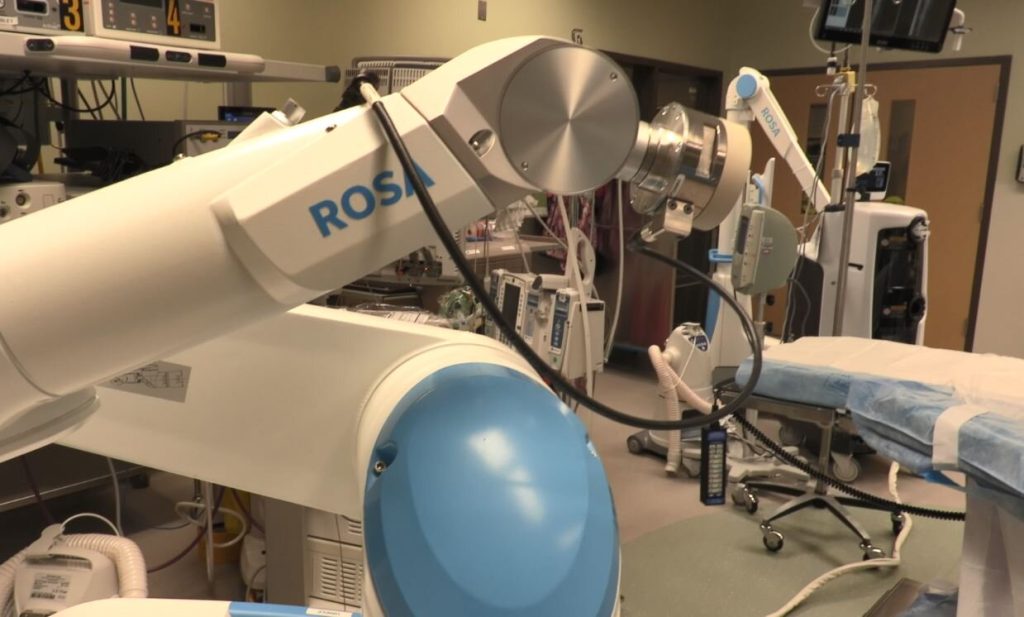
The field of orthopedics has undergone a revolution due to the advancement of medical technology, especially in the area of joint replacement surgeries. One such innovation is the robotic knee replacement in Mumbai, India, a state-of-the-art treatment that provides patients in Mumbai, India with greater safety, accuracy, and a quicker recovery. Knowing About Knee Replacement Robotics Robot-assisted knee arthroplasty, another name for robotic knee replacement, is a cutting-edge surgical technique that combines the precision and accuracy of robotic technology with the knowledge and experience of orthopedic surgeons. This method optimizes patient outcomes and raises the standard of knee replacement surgery as a whole. The Mechanisms of Robotic Knee Replacement Technology 3D Imaging: A patient’s knee joint is modelled in three dimensions using an MRI or CT scan prior to surgery. A customized surgical plan is then created using this model. Navigation Software: To assist the surgeon throughout the procedure, the robotic system makes use of sophisticated navigation software. It gives the surgeon access to real-time data so they can make accurate adjustments. Robotic Arm: The system’s main component, the robotic arm helps the surgeon operate with unmatched precision. It is designed to make precisely the placements and cuts that are intended. Crucially, the surgeon maintains complete control throughout the entire process. As an assistant, the robot makes sure that the surgery goes according to the planned course of action. Robotic Knee Replacement Advantages Enhanced Precision: A more precise implant placement results from the high degree of precision attained with robotic assistance. Customized Planning: Thanks to 3D imaging, a surgical plan can be created that is specifically tailored to the patient’s anatomy. Minimal Trauma: Because robotic knee replacement is minimally invasive, there are fewer incisions, less blood loss, and less pain following surgery. Faster Recovery: Patients frequently recover more quickly and resume their regular activities sooner as a result of the less trauma and customized surgical planning. Decreased Complication Risk: The robotic system’s precision reduces the possibility of problems. Better Joint Function: Patients often report feeling more mobile and having a better quality of life as a result of improved joint function. The Process of Robotic Knee Replacement Pre-operative Planning: The surgical team creates a comprehensive plan for the procedure using the 3D model derived from the patient’s imaging. Anesthesia: To guarantee the patient’s comfort throughout the procedure, either general or regional anesthesia is given. Incision: To gain access to the knee joint, a tiny incision is made. The bone is then precisely shaped and cut using the robotic arm in accordance with the pre-planned strategy. Implant Placement: With the robotic system’s help, the prosthetic knee joint is carefully inserted and positioned. Closure: Stitches or staples are used to close the incision once the implant is firmly in place. Recovery and Rehabilitation: In order to regain strength, patients go through a rehabilitation phase after surgery. In conclusion, a life full of health and activity lies ahead. Mumbai robotic knee replacement is a cutting-edge method of enhancing knee health. A precise and successful procedure is ensured by the combination of cutting-edge technology and the experience of highly skilled surgeons, improving recovery times and overall quality of life. An active, pain-free, and healthier future could be yours with a robotic knee replacement in Mumbai if you are dealing with knee problems and seeking a safer and more precise solution. It’s time to start living a life where your knees and general health are better.
Mastering Robotic Knee Surgery: Training and Expertise
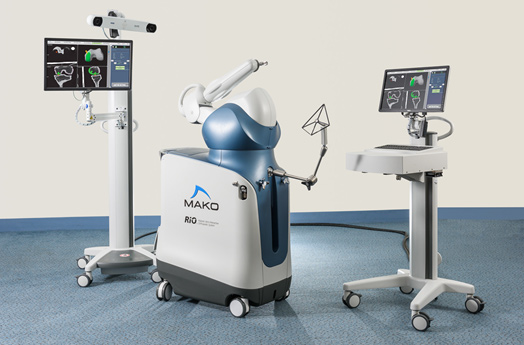
Robotic knee surgery, a revolutionary technique in orthopedics, has gained prominence for its capacity to augment the precision and individualization of knee procedures. However, the triumph of robotic knee replacement in Mumbai hinges greatly on the skills and knowledge of the surgical team. In this article, we’ll explore the paramount importance of training and expertise in the realm of robotic knee surgery, underscoring their profound influence on patient well-being. 1. Specialized Training for Surgeons: Performing robotic knee surgery requires specialized training for surgeons to effectively operate the robotic system and leverage its full potential. Surgeons undergo extensive training, which typically includes hands-on experience with the robotic technology and simulations to develop the necessary skills and expertise. This training helps surgeons become proficient in navigating the complex robotic interface and executing precise movements during surgery. 2. Understanding Robotic Technology: Robotic knee surgery involves the use of sophisticated technology and advanced software. Surgeons must have a deep understanding of the robotic system’s capabilities, including its various features and functionalities. This knowledge enables them to make real-time decisions during surgery, ensuring optimal implant positioning and alignment for each patient’s unique anatomy. 3. Personalized Surgical Planning: One of the key advantages of robotic knee surgery is the ability to create personalized surgical plans based on each patient’s specific needs. Surgeons use preoperative imaging data and advanced planning software to develop a customized surgical approach. Expertise in interpreting imaging results and accurately planning the surgery is crucial for achieving the desired outcomes. 4. Precision and Accuracy: The robotic system enhances the precision and accuracy of knee surgeries, allowing for more consistent results. Surgeons with expertise in robotic knee surgery can leverage the technology to make fine adjustments and ensure optimal alignment of implants, leading to improved joint function and longevity of the knee replacement. 5. Complication Management: While robotic knee surgery reduces the risk of complications, it does not eliminate them entirely. Experienced surgeons are well-equipped to handle any unexpected challenges that may arise during surgery. Their expertise allows for quick problem-solving and adaptation to ensure the best possible patient outcomes. 6. Postoperative Care and Rehabilitation: Expertise in robotic knee surgery extends beyond the operating room. Surgeons with a comprehensive understanding of knee anatomy and function can provide personalized postoperative care and rehabilitation plans. This ensures that patients receive appropriate guidance and support during their recovery, maximizing the benefits of robotic knee surgery. 7. Continuous Learning and Improvement: Like any rapidly evolving field, robotic knee surgery continues to advance with new technology and techniques. Surgeons with expertise in the field recognize the importance of continuous learning and staying up-to-date with the latest advancements. They actively participate in conferences, workshops, and training programs to enhance their skills and knowledge. Training and expertise are pivotal in achieving success and optimizing outcomes in robotic knee replacement in Mumbai. Surgeons must undergo specialized training to proficiently operate the robotic system and tailor surgical plans for individual patients. The precision and accuracy offered by robotic knee surgery depend on the surgeon’s grasp of the technology and its capabilities. Patients considering robotic knee replacement in Mumbai should prioritize surgeons with extensive experience and expertise in the field. This ensures the highest level of care and maximizes the chances of a successful procedure and smooth recovery. With a skilled surgical team, patients can harness the transformative potential of robotic knee surgery to enhance joint function, alleviate discomfort, and elevate their overall quality of life.
Role of Artificial Intelligence in Robotic Knee Replacement

Artificial Intelligence (AI) has become a game-changing innovation which has revolutionized many industries. Healthcare is one such industry which has garnered tremendous benefits from it. It has enabled the use of AI-operated robots in surgeries and operations. Robotic knee replacement is one such surgery making the most of AI and reaping successful outcomes. This article with the help of Mr. Kunal Patel, explores the role AI is playing in robotic knee replacement in Mumbai and in general in the orthopedic field: 1. Preoperative Planning: AI-powered algorithms and machine learning techniques help in planning and assessing robotic knee surgery. Preoperative imaging data such as MRIs and CT scans is analyzed by AI algorithms and the patient’s knee condition is evaluated. The abnormalities are identified and 3D models of knee joint are generated. This helps surgeons in formulating the surgical strategies, choosing appropriate knee implant size and achieving the optimal positioning of the implant. 2. Surgical Navigation and Guidance: AI assists in providing real-time navigation and guidance to surgeons while operating the patient. The MRIs and CT scans along with the intraoperative data create virtual roadmap understanding the patient’s knee’s autonomy. Surgeons can make use of it to correctly place the implant, make correct bone cuts and ensure precise alignment. It enhances surgical accuracy and probability of error is reduced. 3. Decision Support: AI can analyze vast data be it patient’s medical history, pre operative imaging and outcomes of surgery. AI provides intelligent support to surgeons in suggesting implant size, customized surgical plans and other adjustments as per patient’s health condition. It helps in achieving optimal results. 4. Personalized Postoperative care: AI-operated devices worn by patients can monitor patient’s movement patterns and recovery progress. It can assist in post operative care by providing personalized rehabilitation and recovery plans, measure recovery milestones achieved by patient and also alert the surgeons in case some complications arise. 5. Data Research and Improvements: AI accumulates worldwide knee surgeries data and use this database for research. It analyzes the patterns, trends and correlations. The research contributes to advancements and improvements in surgical field. Improvements in implants, surgical procedure etc. are suggested by AI. Artificial Intelligence in robotic knee surgery has improved the precision, planning and patient care in orthopedic field. Preoperative planning, surgical navigation, decision support, postoperative recovery, and data research are all facilities offered by AI which optimizes the overall surgery and patient experience. AI continues to improve the collaboration between human expertise and intelligent systems and promises a brighter orthopedic experience. In case you are looking for robotic knee replacement in Mumbai, book your consultation with KneeBotics Robotic Knee Replacement Centre for a personalized surgery plan.
What is Robotic Assisted Orthopedic joint Replacement Surgery?

What is Robotic-Assisted Orthopedic Joint Replacement Surgery? Imagine undergoing knee replacement surgery where every incision, every cut, and every implant placement is guided by advanced robotic technology — engineered for your unique anatomy, down to the millimeter. This is no longer a vision of the future. Robotic-assisted orthopedic joint replacement surgery is transforming how surgeons treat debilitating joint conditions, offering patients faster recovery, fewer complications, and longer-lasting results. For patients seeking robotic knee replacement in Mumbai, this groundbreaking technology is now accessible at Kneebotics, led by one of the city’s most experienced robotic joint surgeons, Dr. Kunal Patel. Understanding Robotic-Assisted Joint Replacement Surgery Robotic-assisted orthopedic joint replacement surgery is a cutting-edge surgical approach that combines the skill of an experienced surgeon with the precision of advanced robotic systems. While the robot does not perform the surgery independently, it acts as a highly intelligent tool that enhances the surgeon’s capabilities — providing real-time feedback, three-dimensional anatomical mapping, and unmatched accuracy during the procedure. This technology is used in procedures such as total knee replacement, partial knee replacement, and hip replacement. It is particularly valuable in knee surgeries, where precise implant alignment is critical to long-term function, pain relief, and joint longevity. How Does the Robotic System Work? The process begins well before the patient enters the operating theatre. Advanced imaging — such as CT scans or X-rays — is used to create a highly accurate, three-dimensional model of the patient’s unique bone structure and joint anatomy. Using this model, the surgeon and the robotic system collaboratively design a personalized surgical plan tailored specifically to that individual’s anatomy. During surgery, the robotic arm assists the surgeon in executing the plan with extraordinary precision. It helps guide bone cuts to exact pre-planned angles, positions the implant correctly, and provides real-time data feedback throughout the procedure. Importantly, the surgeon remains in complete control at all times — the robot simply ensures that every movement adheres to the pre-approved plan, reducing the margin of human error significantly. How is Robotic Knee Replacement Different from Traditional Surgery? Traditional knee replacement surgery relies on the surgeon’s experience, hand-eye coordination, and manual instruments to cut and position components. While skilled surgeons achieve excellent results, there is an inherent variability that comes with manual techniques. Robotic-assisted surgery addresses this by introducing a layer of digital precision that was previously impossible to achieve. Key Differences at a Glance Personalized Planning: Robotic surgery uses patient-specific 3D anatomical data, while traditional surgery relies on standard measurements and intraoperative judgment. Precision of Bone Cuts: The robotic system ensures cuts are made within a fraction of a millimeter of the planned position, reducing the risk of malalignment. Implant Positioning: Accurate implant placement leads to better joint mechanics, reduced wear, and a more natural feeling knee post-surgery. Soft Tissue Protection: The robotic arm can be programmed to operate only within defined boundaries, minimizing accidental damage to surrounding ligaments, nerves, and blood vessels. Real-Time Feedback: Surgeons receive live data during the procedure, allowing immediate adjustments if needed. Benefits of Robotic Knee Replacement in Mumbai The advantages of choosing robotic-assisted knee replacement surgery over conventional methods are well-supported by growing clinical evidence. Patients who undergo robotic knee replacement in Mumbai at Kneebotics benefit from a range of outcomes that traditional surgery often cannot match. Faster Recovery and Reduced Pain Because robotic surgery is more precise, it is generally less traumatic to surrounding tissues. This means reduced post-operative pain, lower dependency on pain medications, and a significantly shorter hospital stay. Many patients are able to begin walking with assistance within 24 hours of their procedure and return to daily activities much sooner than with traditional methods. Greater Implant Longevity One of the most significant long-term benefits of robotic-assisted surgery is the accuracy of implant positioning. When a knee implant is placed in the optimal alignment for a patient’s specific anatomy, it wears more evenly and functions more naturally — potentially lasting 20 years or more. Poorly aligned implants, on the other hand, may wear out faster and require revision surgery. Lower Risk of Complications The robotic system’s ability to protect soft tissues and execute precise movements reduces the risk of complications such as nerve damage, blood vessel injury, and post-operative instability. Studies have shown that robotic-assisted knee replacement surgery is associated with lower rates of implant malalignment compared to conventional surgery. Improved Patient Satisfaction Clinical data consistently shows that patients who undergo robotic knee replacement report higher satisfaction rates, improved range of motion, and a greater sense of a “natural-feeling” knee compared to those who undergo traditional surgery. This is largely attributed to the personalized planning and precise execution that robotic technology enables. Who is a Candidate for Robotic Knee Replacement? Robotic-assisted knee replacement is suitable for a wide range of patients suffering from knee joint degeneration. You may be a good candidate if you are experiencing: Severe knee pain that limits daily activities such as walking, climbing stairs, or rising from a chair Chronic knee inflammation and swelling that does not respond to medications or other treatments Knee stiffness that restricts range of motion Advanced osteoarthritis, rheumatoid arthritis, or post-traumatic arthritis of the knee Failed non-surgical treatments including physiotherapy, injections, and medications A thorough evaluation by Dr. Kunal Patel, including clinical assessment and imaging, will determine whether robotic knee replacement is the right option for you. Age alone is not a determining factor — suitability is assessed based on overall health, bone quality, and the severity of joint damage. About Dr. Kunal Patel — Mumbai’s Leading Robotic Knee Surgeon Dr. Kunal Patel is a highly experienced orthopedic surgeon and one of Mumbai’s foremost specialists in robotic joint replacement surgery. With extensive training in robotic-assisted surgical systems and a dedicated focus on knee and hip replacement, Dr. Patel has helped hundreds of patients reclaim their mobility and quality of life. At Kneebotics, Dr. Patel utilizes the most advanced robotic platforms available in India, ensuring that each patient receives a truly personalized surgical experience. His commitment to evidence-based
