
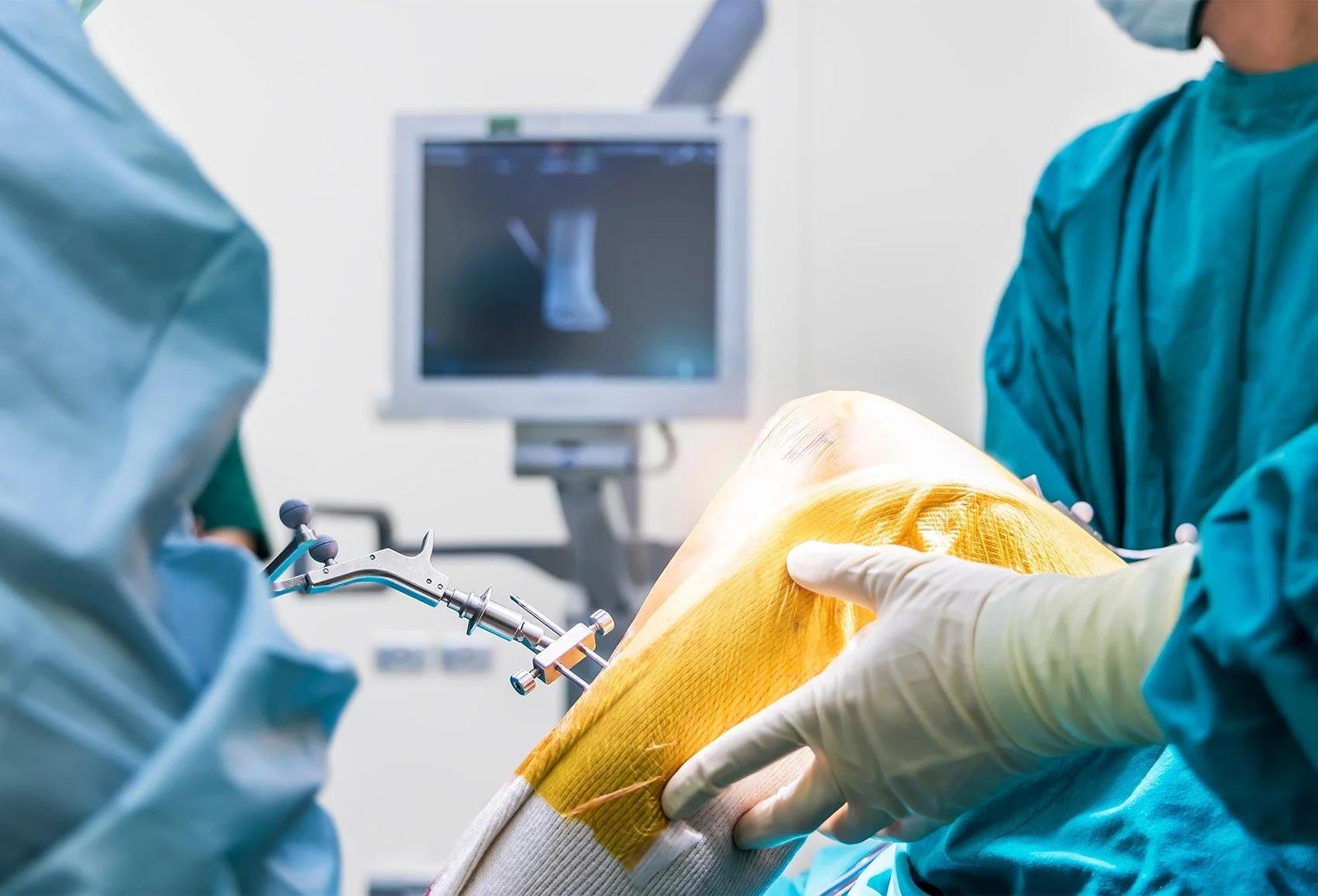
Knee pain brought on by arthritis, trauma, or joint deterioration can significantly impair one’s mobility and standard of living. Robotic knee replacement surgery has become a contemporary option with increased precision and individualized care thanks to developments in orthopedic technology. Naturally, a lot of patients thinking about getting treatment wonder if Robotic Knee Replacement Surgery in Mumbai is safe and successful.
This blog helps you make an informed choice with Kneebotics in Mumbai by outlining the science, safety, advantages, and actual results of robotic knee replacement surgery.
Comprehending Knee Replacement Robotic Surgery
A robotic-assisted system assists the surgeon in planning and carrying out the procedure with remarkable precision in robotic knee replacement, a sophisticated type of total knee arthroplasty.
It’s crucial to understand:
The robot is not self-sufficient.
A skilled orthopedic surgeon is in complete control of the procedure.
The robotic system offers precise guidance, 3D imaging, and real-time data.
With the use of this technology, surgeons can tailor their procedures to the particular knee anatomy of each patient.
Is Knee Replacement Surgery Safe with Robots?
Indeed, numerous clinical studies attest to the fact that robotic-assisted knee replacement is just as safe as traditional surgery, if not safer in some ways.
Reduced Rates of Complications
According to research, the 90-day complication rate for robotic-assisted knee replacement was lower (1.57%) than that of conventional surgery (2.55%), indicating fewer readmissions to the hospital following surgery.
Enhanced Surgical Precision
Long-term success and stability of the knee joint depend on surgeons achieving ideal ligament balance and implant placement with the aid of robotic systems.
Verified Safety in Clinical Research
Robotic-assisted total knee arthroplasty is safe and effective, according to recent clinical trials and meta-analyses, especially in cases of complex deformities where accuracy is crucial.
Is Robotic Knee Replacement Effective?
The goal of robotic knee replacement is to enhance results via accuracy and customization.
Improved alignment of implants
Robotic technology reduces alignment errors that can lead to early implant wear by enabling extremely precise bone cuts and implant placement.
Reduced Damage to Tissue
During surgery, smaller, more precise movements reduce damage to the surrounding muscles and ligaments, which can result in:
Decreased blood loss
Reduced pain following surgery
quicker early recovery
Orthopedic specialists point out that better joint mechanics and more individualized procedures are made possible by robotic surgery.
Quicker Mobility and Recuperation
Due to careful preparation and little damage to soft tissues, patients frequently encounter:
Prior to walking and rehabilitation
Reduced length of hospital stays
quicker return to regular activities
What Studies Show About Long-Term Outcomes
Although robotic surgery undoubtedly increases accuracy, research indicates:
In many instances, functional results are comparable to or marginally better than those of traditional knee replacement.
The greatest benefits are seen in cases of severe deformities or complicated knees, where precision has a big influence on outcomes.
The overall safety profiles of traditional and robotic surgery are still similar.
This indicates that while robotic surgery improves surgical accuracy, the most crucial element is still the surgeon’s skill.
Important Advantages of Kneebotics’ Robotic Knee Replacement
When selecting a robotic knee replacement in Mumbai, patients may encounter:
3D imaging for customized surgical planning
Improved balance and accuracy of the implant
less pain following surgery
Very little tissue damage
Quicker recovery
Enhanced stability of the joints
possibly extended implant life
Who Makes a Perfect Candidate?
Patients who may benefit from robotic knee replacement include:
I have excruciating arthritis in my knees.
Have persistent knee pain that interferes with day-to-day activities?
possess abnormalities or problems with alignment
didn’t get better with medicine or physical therapy
Desire accurate results and a quicker recovery
Eligibility is decided after a thorough assessment by a Kneebotics specialist.
Are There Any Dangers
General surgical risks associated with robotic knee replacement include
Infection
Clots of blood
Temporary rigidity
Problems with implants (rare)
However, by increasing surgical precision and planning, robotic assistance might help lower some risks.
Why Experience as a Surgeon Is Still Important
Robotic systems are instruments, not substitutes for surgical expertise. For a knee replacement to be successful,
Surgeon knowledge
Appropriate patient selection
Cutting-edge technology
Organized rehabilitation
At Kneebotics, skilled orthopedic specialists collaborate with robotic technology to provide results that are predictable and safe.
Conclusion: Is Knee Replacement by Robotics Safe and Effective?
Indeed. According to recent medical data, robotic knee surgery in Mumbai is:
Safe
Extremely accurate
Good for reducing pain and increasing mobility
Particularly helpful for complicated knee conditions
For many patients, robotic assistance is a great modern option because it enhances accuracy, customization, and early recovery, even though long-term functional outcomes may be comparable to traditional surgery in some cases.
FAQs
Is a robotic knee replacement superior to a conventional procedure?
Although both procedures are successful when carried out by qualified surgeons, it provides more precision and customization, which can enhance alignment and recovery.
Is knee surgery with robotics painful?
Because there is less tissue damage, pain levels are typically lower, and contemporary pain management guarantees a comfortable recovery.
How much time does it take to recover?
Depending on their level of rehabilitation, most patients start walking within a few days and return to their regular activities in four to six weeks.
What is the lifespan of a robotic knee implant?
When properly positioned, modern implants usually last 15 to 25 years.
Does robotic surgery have full automation?
No, the robot helps with planning and accuracy, but the surgeon is in charge of every step.
