
Why Robotic Surgery in Mumbai is Gaining Popularity Among Patients
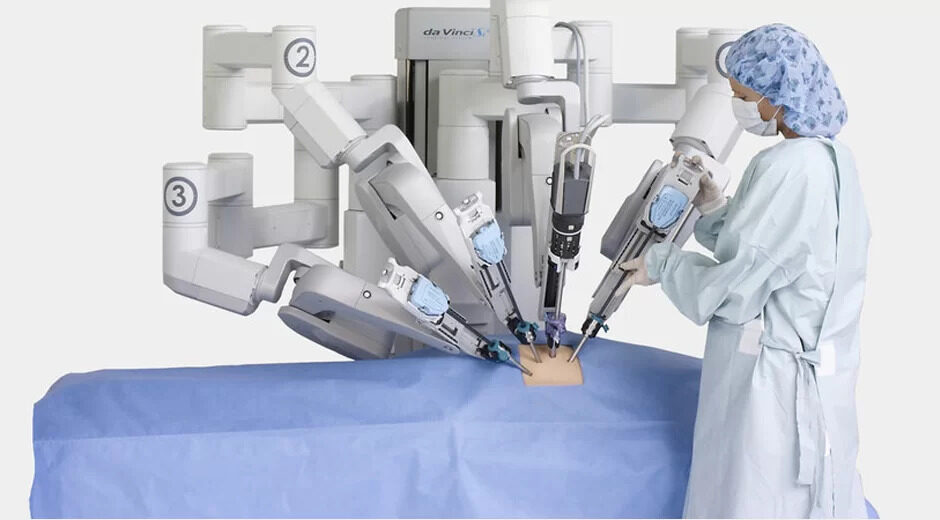
Robotic surgery is transforming the landscape of healthcare in Mumbai. As technology continues to evolve, patients are increasingly drawn to this innovative approach that promises precise, minimally invasive procedures. With its ability to enhance surgical accuracy and reduce recovery times, robotic surgery has captured the attention of both doctors and patients alike. Imagine undergoing a complex procedure with smaller incisions and less pain than traditional methods. This is not just a distant dream; it’s becoming a reality for many individuals seeking medical treatment in Mumbai. The city’s hospitals are rapidly adopting advanced robotic systems, making cutting-edge care more accessible than ever before. As we delve into the world of robotic surgery in Mumbai, you’ll discover why it’s gaining traction among patients looking for safer, more efficient options. From technological advancements to patient testimonials—let’s explore what makes this surgical method stand out. Advancements in Robotic Surgery Technology Robotic surgery technology has evolved significantly in recent years, making procedures safer and more effective. Innovations like enhanced imaging systems provide surgeons with remarkable views of the surgical site. This clarity allows for precision that traditional methods simply cannot match. Additionally, advancements in robotic instruments have led to greater dexterity. Surgeons can now maneuver tools with extreme accuracy, mimicking natural hand movements. This results in smaller incisions and reduced trauma to surrounding tissues. Moreover, there are improvements in data analytics and artificial intelligence integration. These technologies assist surgeons by analyzing patient-specific factors, ultimately guiding them toward optimal surgical approaches. As a result, robotic surgery is becoming more adaptable across various specialties such as urology, gynecology, and orthopedics. The continuous infusion of research and development ensures that patients receive cutting-edge care tailored to their needs. Benefits of Robotic Surgery for Patients Robotic surgery offers numerous benefits that can significantly enhance the patient experience. One of the primary advantages is precision. The advanced robotic systems allow surgeons to perform intricate procedures with greater accuracy than traditional methods. Another benefit is minimal invasiveness. Smaller incisions reduce trauma, leading to less pain and a quicker recovery time. Patients often find themselves back on their feet faster compared to open surgeries. Additionally, this technology minimizes blood loss during operations, which is crucial for patient safety. Shorter hospital stays are also common, allowing patients to return home sooner. Furthermore, many report improved postoperative outcomes and reduced risk of complications. This combination of factors makes robotic surgery an appealing option for those seeking effective treatment in Mumbai’s healthcare landscape. Cost Comparison Between Traditional and Robotic Surgery When considering surgical options, cost is a significant factor for many patients. Traditional surgery often appears more affordable upfront. However, this perspective can be misleading when evaluating long-term outcomes. Robotic surgery in Mumbai typically involves higher initial costs due to advanced technology and specialized training. Yet, these expenses may pay off later through reduced hospital stays and quicker recovery times. Patients undergoing robotic procedures often experience fewer complications, which translates to lower follow-up care costs. Additionally, less post-operative pain means fewer medications are required. Insurance coverage can also vary between the two methods. Patients need to check with their providers regarding reimbursement policies. While the sticker shock of robotic surgery might deter some initially, a deeper dive into potential savings reveals it could be a wise investment in health and well-being. Success Rates of Robotic Surgery in Mumbai Robotic surgery in Mumbai has shown impressive success rates across various procedures. Hospitals equipped with advanced robotic systems report outcomes that often surpass traditional methods. Studies indicate lower complication rates and quicker recovery times for patients undergoing robotic-assisted surgeries. This is particularly evident in fields such as urology, gynecology, and orthopedics. Surgeons benefit from enhanced precision, allowing for more targeted interventions. Many patients experience minimal scarring due to smaller incisions, which also contributes to faster healing. Notably, the rate of postoperative infections tends to be reduced with this approach. Healthcare providers in Mumbai are continually refining techniques and protocols associated with robotic surgery. As surgeons gain expertise, the overall effectiveness of these procedures continues to improve significantly. This trend underscores a growing confidence among both medical professionals and patients regarding the benefits of choosing robotic-assisted surgical options. Patient Testimonials and Experiences Patients who have undergone robotic surgery in Mumbai often share transformative experiences. Many describe a sense of relief and empowerment after choosing this advanced option. One patient, for instance, highlighted the reduced recovery time. They were back to their daily routine within days instead of weeks. The precision of the procedure minimized pain and led to fewer complications. Another individual spoke about their anxiety before surgery. However, the surgeon’s thorough explanation of the robotic system alleviated those fears. Feeling reassured made all the difference during their journey. Several testimonials mention impressive outcomes as well. Patients appreciate not just physical improvements but also enhanced quality of life post-surgery. These personal stories reflect a growing trust in robotic technology among healthcare seekers in Mumbai. The human touch combined with cutting-edge innovation has truly left an impact on countless lives here. Future of Robotic Surgery in Mumbai The future of robotic surgery in Mumbai looks exceptionally bright. As technology continues to advance, the capabilities of robotic systems are expanding rapidly. Surgeons are gaining access to even more sophisticated tools that enhance precision and control during procedures. With ongoing training programs for medical professionals, expertise in this field is set to grow. More hospitals are investing in state-of-the-art robotic systems, making these innovative solutions widely available across the city. Patient awareness is also increasing. People are becoming more informed about their surgical options and often prefer minimally invasive techniques offered by robotics. Research into new applications for robotic surgery continues at a steady pace, with possibilities ranging from orthopedic procedures to complex cardiac surgeries. This evolution holds promise not only for improved outcomes but also for revolutionizing patient care experiences throughout Mumbai’s healthcare landscape. Conclusion: Is Robotic Surgery the Right Option for You? As the field of medicine continues to evolve, robotic surgery stands out as a groundbreaking advancement.
Cutting-Edge Robotic Surgery: Insights from the Best Surgeon in Mumbai

In the evolving world of medicine, robotic surgery stands out as one of the most transformative technologies. It combines the precision of robotics with the expertise of skilled surgeons to deliver unparalleled surgical outcomes. Mumbai, a hub for advanced healthcare, is home to some of the finest robotic surgeons in the country. Among them, the best robotic surgeon in Mumbai has redefined the landscape of minimally invasive surgery, offering patients cutting-edge care with reduced pain and faster recovery. This comprehensive guide delves into the world of robotic surgery, its benefits, applications, and why Mumbai is the ideal destination for these advanced procedures. What Is Robotic Surgery? Robotic surgery is a form of minimally invasive surgery where surgeons use robotic systems to enhance precision, flexibility, and control. This technology assists in performing complex procedures with smaller incisions and reduced risks compared to traditional techniques. How Robotic Surgery Works Surgeon-Controlled System:The robotic system doesn’t operate autonomously; instead, the surgeon controls it using a console, ensuring human expertise remains at the core of the procedure. Enhanced Visualization:The system provides a 3D high-definition view of the surgical site, allowing surgeons to see intricate details that are often missed in traditional methods. Robotic Arms and Instruments:Robotic arms equipped with miniature instruments mimic the surgeon’s hand movements but with enhanced precision and a greater range of motion. Why Choose Robotic Surgery? Robotic knee replacement in Mumbai offers numerous benefits, making it an increasingly popular choice among patients and surgeons alike. 1. Enhanced Precision The robotic system ensures micrometer-level accuracy, minimizing errors and ensuring the best possible surgical outcomes. 2. Minimally Invasive Approach With smaller incisions, patients experience less pain, minimal scarring, and reduced blood loss during the procedure. 3. Faster Recovery Times Patients undergoing robotic surgery typically recover more quickly, allowing them to return to their daily activities sooner. 4. Reduced Risk of Complications The precision of robotic surgery minimizes the risk of infection, nerve damage, and other complications associated with traditional open surgeries. 5. Versatility Across Specialties From urology and gynecology to orthopedics and oncology, robotic surgery is applicable in a wide range of medical fields. Why Mumbai Is a Hub for Robotic Surgery Mumbai is a leading destination for robotic knee surgery in Mumbai, offering world-class facilities, experienced surgeons, and affordable treatment options. 1. Expertise of the Best Robotic Surgeon in Mumbai Mumbai’s top robotic surgeons are internationally trained, bringing years of experience and expertise to their practice. The best robotic surgeon in Mumbai is renowned for delivering exceptional outcomes across various specialties. 2. Advanced Medical Infrastructure Hospitals in Mumbai are equipped with state-of-the-art robotic systems, such as the da Vinci Surgical System, ensuring patients receive the best care. 3. Affordable Treatment Compared to international destinations, robotic surgery in Mumbai is highly cost-effective without compromising on quality. 4. Comprehensive Patient Care Mumbai’s hospitals provide end-to-end care, from initial consultation and surgery to post-operative rehabilitation, ensuring a seamless treatment journey. Applications of Robotic Surgery Robotic knee replacement surgery in Mumbai is revolutionizing numerous medical fields. Here are some of its key applications: 1. Urology Procedures: Robotic prostatectomy, kidney surgery, and bladder reconstruction. Benefits: High precision, preservation of nerve function, and faster recovery. 2. Gynecology Procedures: Hysterectomy, myomectomy, and endometriosis surgery. Benefits: Reduced pain, faster recovery, and minimal scarring. 3. Orthopedics Procedures: Robotic knee and hip replacement. Benefits: Improved joint alignment and longer-lasting implants. 4. Oncology Procedures: Tumor removal in hard-to-reach areas. Benefits: Enhanced precision reduces the risk of damaging surrounding tissues. 5. General Surgery Procedures: Gallbladder removal, hernia repair, and bariatric surgery. Benefits: Faster healing and minimal postoperative discomfort. Who Is the Best Robotic Surgeon in Mumbai? The robotic knee replacement cost in Mumbai is recognized for their expertise, patient-centric approach, and innovative techniques. They are often affiliated with top-tier hospitals and have a track record of successful outcomes. Qualities to Look for in a Robotic Surgeon Experience:Years of experience in robotic-assisted procedures across multiple specialties. Training:International training and certifications in robotic surgery. Patient Reviews:Positive feedback from previous patients highlights the surgeon’s skill and compassion. Hospital Affiliation:Association with leading hospitals equipped with advanced robotic systems. The Robotic Surgery Process: What to Expect 1. Initial Consultation The surgeon assesses your condition and discusses whether robotic surgery is the right option for you. 2. Preoperative Planning Imaging techniques like CT scans or MRIs are used to create a detailed plan for the surgery. 3. The Surgery Duration: Most robotic procedures take 1–3 hours. Anesthesia: General anesthesia ensures a pain-free experience. Procedure: The surgeon operates the robotic system via a console, ensuring precision and control. 4. Postoperative Care Recovery: Most patients can resume normal activities within weeks. Follow-Up: Regular check-ups ensure proper healing and recovery. Conclusion: Why Robotic Surgery Is the Future of Medicine Robotic surgery is transforming healthcare by offering precision, faster recovery, and improved outcomes. The best robotic surgery in Mumbai leverages this technology to deliver life-changing results for patients across various medical fields. Mumbai’s combination of advanced infrastructure, skilled professionals, and affordable treatment options makes it a leading destination for robotic surgery. Whether you’re dealing with chronic conditions or seeking a minimally invasive solution, robotic surgery in Mumbai offers a pathway to better health and improved quality of life.
Benefits of Choosing Robotic Knee Replacement Surgery in Mumbai

When knee pain becomes a daily struggle and limits your mobility and quality of life, knee replacement surgery can offer a transformative solution. In recent years, robotic knee replacement surgery in Mumbai has emerged as a popular and advanced option for those seeking improved precision, faster recovery, and a higher level of customization in their treatment. This cutting-edge approach leverages robotic technology to assist surgeons in delivering more accurate and personalized knee replacement procedures. In this article, we’ll explore the benefits of choosing robotic knee replacement surgery over traditional methods, discuss the key factors influencing the procedure’s outcomes, and highlight why Mumbai has become a prime location for total knee replacement using robotic-assisted techniques. 1. Understanding Robotic Knee Replacement Surgery Robotic knee replacement surgery, also known as robotic-assisted knee arthroplasty, involves using robotic technology to assist the surgeon in performing the procedure. While the surgery is still controlled by the surgeon, the robotic system provides real-time feedback and assistance, ensuring higher accuracy and control. This method is used primarily for total knee replacement in mumbai and can also be adapted for partial replacements. During the procedure, the robotic system creates a 3D model of the patient’s knee, allowing the surgeon to plan the surgery in advance. The robot then assists in aligning and positioning the implant precisely, reducing the risk of errors. The use of robotic guidance allows for a more minimally invasive approach, often resulting in a quicker recovery period. 2. Benefits of Robotic Knee Replacement Surgery Robotic knee replacement surgery has several advantages over traditional knee replacement methods. Here are some of the key benefits: a. Enhanced Precision and Alignment Robotic knee replacement offers unparalleled precision in implant placement. The robotic system allows surgeons to make tiny adjustments during surgery, ensuring the implant is perfectly aligned with the natural anatomy of the knee. Proper alignment is essential for: Improved Longevity: Properly aligned implants last longer, reducing the likelihood of revision surgeries. Natural Feel and Movement: When the implant is aligned accurately, it mimics the natural motion of the knee, allowing for smoother and more natural movement. Reduced Wear and Tear: Proper alignment reduces the stress on the implant, potentially slowing down wear and tear over time. In Mumbai, where medical expertise and technology are readily available, robotic knee replacement is increasingly preferred for its precision and long-term benefits. b. Customized Surgical Plan for Each Patient One of the biggest advantages of robotic knee replacement is the customization it offers. Before the surgery, the robotic system creates a 3D model of the patient’s knee based on CT or MRI scans. This model allows surgeons to: Assess Joint Anatomy: Each patient’s anatomy is unique, and robotic assistance helps the surgeon tailor the implant placement to fit each patient’s specific knee structure. Account for Variations: The pre-surgery plan considers any unique bone structures, wear patterns, or deformities, ensuring a better fit for the implant. Increase Patient Satisfaction: With a custom-fit implant, patients often report higher satisfaction, reduced pain, and better overall function post-surgery. c. Reduced Pain and Faster Recovery Robotic knee replacement is typically a minimally invasive procedure, meaning it involves smaller incisions and less tissue damage compared to traditional surgery. This approach has several benefits, including: Less Post-Operative Pain: Patients report experiencing less pain after surgery, which translates to a more comfortable recovery process. Faster Rehabilitation: Because there is less tissue damage, patients are often able to start physical therapy sooner, which speeds up the recovery process. Shorter Hospital Stays: Many patients can go home sooner compared to traditional surgery, allowing them to recover in the comfort of their own homes. In Mumbai, patients opting for robotic knee replacement in mumbai often find that the shorter recovery period allows them to resume daily activities and enjoy their improved mobility sooner. d. Lower Risk of Complications Robotic knee replacement surgery tends to be associated with a lower risk of complications, such as infection, blood loss, and post-operative issues. The benefits stem from: Minimally Invasive Techniques: The smaller incisions reduce the risk of infection and blood loss. Improved Precision: With the robot’s assistance, surgeons are less likely to damage surrounding tissues, ligaments, or blood vessels, leading to fewer complications. Shorter Surgery Time: Robotic surgery often takes less time than traditional surgery, reducing the overall exposure to anesthesia and associated risks. For patients undergoing robotic knee surgery in mumbai, the reduced risk of complications makes robotic surgery an attractive option, especially for older individuals or those with pre-existing health conditions. e. Long-Lasting Results The accuracy and customization offered by robotic knee replacement surgery can lead to better and longer-lasting outcomes. Since the implant is placed with such precision, patients are less likely to experience premature wear or need revision surgery. This longevity can make robotic knee replacement a more cost-effective choice in the long run, as it reduces the need for additional procedures and allows for greater peace of mind. f. Improved Quality of Life The ultimate goal of knee replacement surgery is to improve the patient’s quality of life by eliminating pain, restoring mobility, and allowing them to return to their favorite activities. Patients who undergo robotic knee replacement often experience: Greater Range of Motion: With accurate placement, patients experience improved joint movement, allowing them to walk, climb stairs, and engage in daily activities with ease. Increased Confidence: Many patients find that robotic surgery results in a more stable and secure-feeling knee, helping them regain their confidence in movement. Lasting Comfort: Patients report less discomfort over time, making the decision to opt for knee replacement surgery highly worthwhile. 3. Why Choose Mumbai for Robotic Knee Replacement Surgery? Mumbai is a prime destination for advanced medical procedures, including robotic knee replacement surgery. Here’s why patients are increasingly choosing Mumbai for total knee replacement: a. Availability of Advanced Technology Many hospitals in Mumbai are equipped with the latest robotic systems, such as the Mako and NAVIO systems, which allow for highly accurate and minimally invasive procedures. Leading hospitals like Kokilaben Dhirubhai Ambani Hospital,
Meet Mumbai’s Leading Robotic Surgeons: Pioneers in Surgical Innovation

In recent years, robotic surgery has transformed healthcare by bringing precision, safety, and faster recovery to complex surgical procedures. This advanced technology is quickly gaining traction, especially in metropolitan areas like Mumbai, where some of the best robotic surgeons are setting new standards in surgical care. From minimally invasive procedures to complex operations, Mumbai’s leading robotic surgeons are pioneering techniques that prioritize patient outcomes. If you’re considering robotic surgery and searching for the best robotic surgeon in Mumbai, it’s essential to understand what sets these specialists apart. This article delves into the expertise, advantages, and impact of robotic surgery in Mumbai’s medical landscape and introduces you to some of the best robotic surgeon in mumbai who are revolutionizing healthcare. 1. Why Robotic Surgery? An Introduction to the Technology Robotic surgery is an advanced form of minimally invasive surgery that utilizes a robotic system to perform complex surgeries with precision and control. This technology offers enhanced vision, accuracy, and range of motion, making it ideal for procedures where precision is paramount. The technology typically involves a console from which surgeons control robotic arms equipped with miniature instruments and a high-definition camera, providing a magnified view of the surgical site. Compared to traditional open surgery, robotic knee replacement in mumbai offers several advantages: Smaller Incisions: Minimally invasive, resulting in reduced scarring and faster healing. Greater Precision: Robotic instruments allow for highly accurate movements, reducing tissue damage. Reduced Pain and Recovery Time: Patients experience less post-operative pain and quicker recovery, allowing them to resume normal activities sooner. 2. Applications of Robotic Surgery in Various Specialties Robotic surgery is utilized across numerous medical fields, including urology, gynecology, cardiology, and oncology. Here are some key applications: Urology Robotic-assisted surgeries in urology, such as prostatectomy (prostate removal) and nephrectomy (kidney removal), allow for precise dissection and improved outcomes. Leading robotic urologists in Mumbai leverage this technology to enhance the treatment of prostate cancer and other urological disorders. Gynecology In gynecology, robotic surgery is widely used for hysterectomy, myomectomy (fibroid removal), and endometriosis treatment. The accuracy of robotic instruments minimizes damage to surrounding organs and improves patient recovery. Cardiology Robotic surgery has paved the way for minimally invasive cardiac procedures, including valve repairs and coronary artery bypass. Mumbai’s top robotic cardiac surgeons have made complex heart surgeries less invasive, reducing patient recovery times significantly. Oncology Robotic surgery is instrumental in the treatment of cancer, allowing surgeons to remove tumors with minimal invasion and high precision. Robotic knee surgery in mumbai is utilizing this approach for cancers of the prostate, kidney, uterus, and lungs, offering patients a better prognosis and improved quality of life post-surgery. 3. Benefits of Robotic Surgery: Transforming Patient Outcomes The benefits of robotic surgery are substantial and include the following: Reduced Blood Loss: With more controlled, precise movements, robotic surgery minimizes blood loss, lowering the need for transfusions. Shorter Hospital Stays: Patients can expect shorter hospital stays due to reduced trauma and quicker healing. Minimized Risk of Infection: Smaller incisions lower the risk of infection and other complications associated with open surgeries. Enhanced Visualization: Robotic systems provide surgeons with a 3D, high-definition view, improving the clarity and accuracy of surgical procedures. These benefits are vital for patients with pre-existing conditions or those who may not tolerate invasive procedures well. Choosing the best robotic knee replacement surgery in mumbai ensures that patients can experience these benefits to the fullest. 4. Factors to Consider When Choosing the Best Robotic Surgeon in Mumbai Selecting the robotic knee replacement cost in mumbai for robotic procedures requires careful consideration. Here are some key factors: Experience in Robotic Surgery The complexity of robotic surgery requires surgeons to have extensive training and experience. Look for surgeons who have completed a significant number of robotic procedures, as they are more likely to have honed the skills necessary for a successful outcome. Specialization in Your Medical Condition Robotic surgery is applied across specialties, so it’s essential to choose a surgeon who specializes in the type of surgery you need. For example, if you need a prostatectomy, a urologist like Dr. Sudhir Rawal would be a suitable choice. Hospital Facilities The best robotic surgeons in Mumbai are typically associated with hospitals that have cutting-edge robotic systems, such as the Da Vinci Surgical System. Opting for a surgeon affiliated with a top hospital ensures access to the latest technology and the best care. Patient Reviews and Outcomes Patient reviews and outcomes provide insight into the surgeon’s expertise and patient satisfaction. Positive reviews from patients who have undergone similar procedures can help you make an informed decision. Consultation and Communication Style A good surgeon will be willing to answer questions, explain the procedure in detail, and discuss potential risks and benefits. Choose a surgeon who communicates openly and listens to your concerns, as this fosters trust and confidence. 5. What to Expect During Robotic Surgery Understanding what happens during robotic surgery can alleviate any anxiety you may have. Here’s a brief overview: Preparation: Before surgery, you’ll receive instructions from your surgeon regarding fasting, medications, and any necessary tests. Anesthesia: Robotic surgery is performed under general anesthesia, ensuring you remain comfortable throughout the procedure. The Procedure: The surgeon controls robotic arms from a console, manipulating miniature surgical instruments with extreme precision. The enhanced visualization and dexterity allow for more effective, targeted treatment. Post-Operative Care: After surgery, you’ll be monitored in the recovery room. Most patients experience a shorter recovery period, with minimal scarring and reduced post-operative pain. Follow-Up: Your surgeon will provide detailed aftercare instructions and schedule follow-up appointments to monitor your progress. 6. The Future of Robotic Surgery in Mumbai Robotic surgery is still evolving, with innovations continuously shaping the future of this field. Robotic surgery in mumbai is expected to grow as more hospitals adopt the latest technology and patients recognize the benefits of minimally invasive procedures. As robotic surgery advances, it’s likely that Mumbai’s leading robotic surgeons will continue to play a critical role in expanding access to these procedures and refining surgical
Revolutionizing Orthopedics: The Rise of Robotic Knee Surgery in Mumbai

In recent years, robotic knee surgery in Mumbai has emerged as a game-changing innovation in the field of orthopedic care. Traditionally, knee surgeries, including knee replacement surgeries, have relied heavily on the surgeon’s skills, experience, and manual precision. However, the advent of robotic-assisted surgery has revolutionized the way these procedures are performed, offering greater precision, faster recovery times, and improved patient outcomes. The Evolution of Knee Surgery Knee surgery, particularly knee replacement surgery, has become one of the most common orthopedic procedures globally, including in India. The rise of conditions like osteoarthritis and rheumatoid arthritis, combined with an aging population and lifestyle factors, has led to a surge in the need for knee surgeries. Enter Robotic Knee Surgery Robotic knee surgery offers a solution to many of the challenges associated with traditional knee surgery. Using advanced robotic technology, surgeons can now perform knee replacement surgeries with a level of precision and accuracy that was previously unattainable. In robotic knee replacement in mumbai, the procedure is performed with the assistance of a robotic arm or system, which enhances the surgeon’s ability to accurately place the knee implant. Robotic systems such as the Mako Robotic-Arm Assisted Surgery and Navio Surgical System are being used in Mumbai’s leading hospitals to revolutionize the way knee surgeries are conducted. These systems offer more personalized, minimally invasive surgeries that result in improved patient outcomes, shorter recovery times, and reduced risk of complications. How Robotic Knee Surgery Works Robotic knee surgery is not entirely autonomous; the robot does not perform the surgery on its own. Instead, it acts as a highly advanced tool that assists the surgeon throughout the procedure. The surgeon remains in control at all times, using the robotic system to guide their movements with enhanced precision. Step-by-Step Process of Robotic Knee Surgery Pre-operative Planning: The process begins with advanced imaging techniques, such as CT scans or MRI, to create a 3D model of the patient’s knee. This detailed model allows the surgeon to develop a personalized surgical plan that is tailored to the patient’s specific anatomy. The 3D model also helps in determining the exact positioning and alignment of the knee implant. Robotic-Assisted Surgery: During the surgery, the surgeon uses the robotic system to perform the procedure. The robot provides real-time feedback and assistance, ensuring that every movement is precise and aligned with the pre-operative plan. The robotic arm can make tiny adjustments that are difficult for human hands to achieve, reducing the risk of errors. Implant Placement: The robotic system helps the surgeon position the knee implant with millimeter-level accuracy. This precision is critical for ensuring the longevity of the implant and optimal knee function post-surgery. Post-Surgery Care: robotic knee replacement surgery in mumbai typically results in smaller incisions, less tissue damage, and reduced blood loss compared to traditional methods. This leads to faster recovery times and a smoother post-operative experience for patients. Why Robotic Knee Surgery is Gaining Popularity in Mumbai Mumbai, being a hub of advanced medical care, has seen a significant rise in the adoption of robotic knee replacement cost in mumbai in recent years. This shift is driven by several key factors, including the demand for more precise, minimally invasive procedures and the desire for faster recovery times. 1. Enhanced Precision and Accuracy One of the most significant advantages of robotic knee surgery is the level of precision it offers. In traditional knee replacement surgery, the surgeon must rely on their experience and skill to manually align the knee implant. However, even the most skilled surgeons are subject to the limitations of human dexterity, which can result in slight misalignments that affect the outcome of the surgery. Robotic-assisted systems eliminate these limitations by providing real-time feedback and guidance throughout the procedure. The robotic arm can make movements that are impossible for human hands, ensuring that the knee implant is positioned with perfect accuracy. This level of precision reduces the risk of complications, such as implant loosening or misalignment, and increases the longevity of the implant. 2. Customized Surgical Plans Every patient’s knee anatomy is unique, and robotic knee surgery in Mumbai allows for a more personalized approach to surgery. Using advanced imaging techniques, the surgeon can create a customized surgical plan tailored to the patient’s specific knee structure and condition. This personalized approach ensures that the implant is positioned optimally, taking into account the patient’s bone structure, ligament tension, and overall knee function. By tailoring the surgery to each patient’s needs, robotic knee surgery results in better long-term outcomes, improved mobility, and a more natural-feeling knee post-surgery. 3. Faster Recovery and Less Post-Operative Pain One of the biggest concerns for patients undergoing knee replacement surgery is the recovery time and post-operative pain. Traditional knee surgeries often involve larger incisions, which can lead to more significant tissue damage, longer healing times, and increased pain after the surgery. Robotic knee surgery, on the other hand, is minimally invasive, meaning that smaller incisions are made during the procedure. This leads to less trauma to the surrounding tissues, reduced blood loss, and faster healing. As a result, patients experience less post-operative pain and can begin their rehabilitation sooner. In Mumbai’s top hospitals, patients who undergo robotic knee surgery typically spend less time in the hospital and return to their daily activities much quicker compared to traditional knee surgery patients. Many patients report being able to resume light physical activities, such as walking and swimming, within a few weeks of the surgery. 4. Reduced Risk of Complications Robotic knee surgery significantly reduces the risk of complications during and after the procedure. The robotic system provides real-time feedback to the surgeon, helping to ensure that the implant is placed correctly and that any potential issues are addressed during the surgery. This level of precision minimizes the chances of post-operative complications, such as infection, implant failure, or the need for revision surgery. In addition, the smaller incisions used in robotic surgery in mumbai reduce the risk of infection and promote faster wound healing. The advanced
