
Navigating Knee Pain: The Role of Robotic Surgery in Mumbai

Knee pain can significantly impact daily life, limiting mobility and causing discomfort. For residents of Mumbai seeking advanced solutions for knee issues, the realm of robotic knee replacement surgery in Mumbai has emerged as a transformative option. In this guide, we delve into the role of robotic surgery in Mumbai, specifically focusing on its application in knee pain management through robotic knee replacement surgery. 1. Precision in Joint Replacement: Robotic knee replacement surgery in Mumbai brings a new level of precision to joint replacement procedures. The robotic system assists surgeons in mapping the patient’s anatomy with unparalleled accuracy, allowing for customized surgical plans tailored to individual variations. This precision is crucial for optimizing implant placement and alignment. 2. Personalized Surgical Plans: One of the key advantages of robotic knee replacement surgery is the ability to create personalized surgical plans. The robotic system in Mumbai utilizes preoperative imaging to generate a 3D model of the patient’s knee, enabling surgeons to plan the procedure with meticulous detail. This personalized approach contributes to improved outcomes and patient satisfaction. 3. Minimally Invasive Techniques: Robotic knee replacement surgery in Mumbai emphasizes minimally invasive techniques. The robotic system aids surgeons in performing the procedure through smaller incisions, reducing trauma to surrounding tissues. This approach leads to less postoperative pain, faster recovery times, and a shorter hospital stay for patients undergoing knee replacement. 4. Improved Implant Positioning: Achieving optimal implant positioning is critical for the success of knee replacement surgery. The robotic system enhances the surgeon’s ability to precisely position implants, ensuring proper fit and alignment. This contributes to long-term joint stability, functionality, and reduces the risk of complications. 5. Enhanced Navigation and Real-time Feedback: During robotic knee replacement surgery in Mumbai, the system provides enhanced navigation capabilities and real-time feedback. Surgeons receive continuous updates on the progress of the procedure, allowing for immediate adjustments as needed. This real-time feedback ensures the accuracy and safety of the surgery. 6. Reduced Blood Loss and Scarring: The minimally invasive nature of robotic knee replacement surgery results in reduced blood loss during the procedure. Additionally, smaller incisions lead to minimal scarring, offering aesthetic benefits to patients. The combination of these factors contributes to a more comfortable postoperative experience. 7. Accelerated Rehabilitation: Patients undergoing robotic knee replacement surgery in Mumbai often experience accelerated rehabilitation compared to traditional methods. The precision in surgery and minimally invasive techniques contribute to quicker recovery times, allowing individuals to resume daily activities and regain mobility sooner. 8. Long-term Durability and Patient Satisfaction: Robotic knee replacement surgery aims for long-term durability and patient satisfaction. By optimizing implant placement, alignment, and overall surgical precision, this advanced approach enhances the likelihood of a successful and enduring outcome. Patients can expect improved functionality and reduced knee pain for the long term. Conclusion: Pioneering a New Era in Knee Pain Management Robotic knee surgery in Mumbai represents a significant advancement in the field of orthopedics, offering a pioneering approach to knee pain management. With its focus on precision, personalization, and minimally invasive techniques, robotic surgery stands as a beacon of hope for individuals seeking effective and advanced solutions for knee issues. Residents of Mumbai navigating knee pain can explore the transformative possibilities offered by robotic knee replacement surgery, embracing a new era in orthopedic care.
Robotic Knee Replacement in Mumbai: Safety, Precision, and Recovery
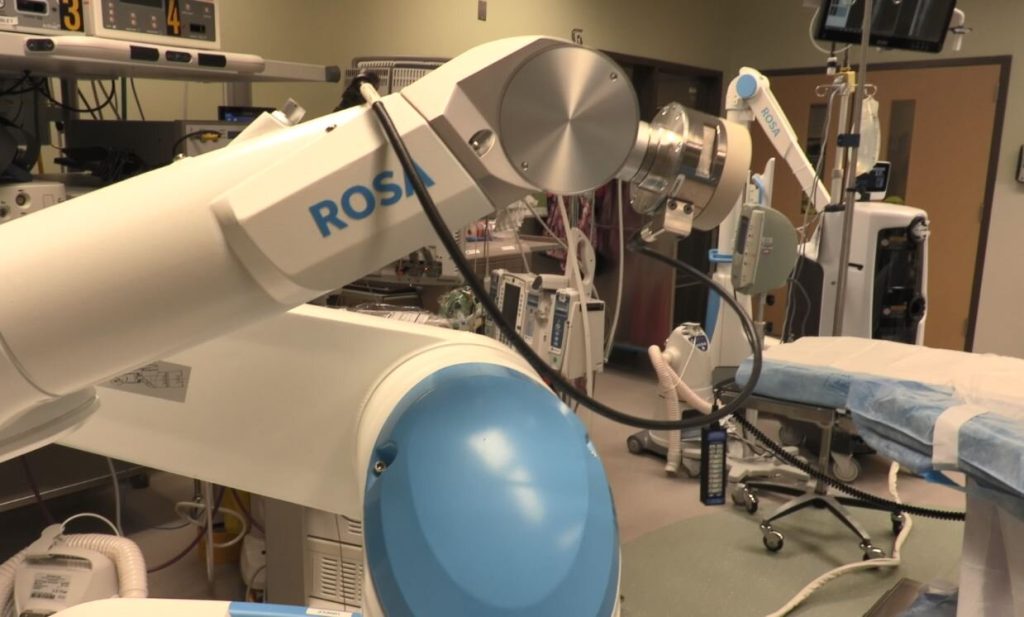
The field of orthopedics has undergone a revolution due to the advancement of medical technology, especially in the area of joint replacement surgeries. One such innovation is the robotic knee replacement in Mumbai, India, a state-of-the-art treatment that provides patients in Mumbai, India with greater safety, accuracy, and a quicker recovery. Knowing About Knee Replacement Robotics Robot-assisted knee arthroplasty, another name for robotic knee replacement, is a cutting-edge surgical technique that combines the precision and accuracy of robotic technology with the knowledge and experience of orthopedic surgeons. This method optimizes patient outcomes and raises the standard of knee replacement surgery as a whole. The Mechanisms of Robotic Knee Replacement Technology 3D Imaging: A patient’s knee joint is modelled in three dimensions using an MRI or CT scan prior to surgery. A customized surgical plan is then created using this model. Navigation Software: To assist the surgeon throughout the procedure, the robotic system makes use of sophisticated navigation software. It gives the surgeon access to real-time data so they can make accurate adjustments. Robotic Arm: The system’s main component, the robotic arm helps the surgeon operate with unmatched precision. It is designed to make precisely the placements and cuts that are intended. Crucially, the surgeon maintains complete control throughout the entire process. As an assistant, the robot makes sure that the surgery goes according to the planned course of action. Robotic Knee Replacement Advantages Enhanced Precision: A more precise implant placement results from the high degree of precision attained with robotic assistance. Customized Planning: Thanks to 3D imaging, a surgical plan can be created that is specifically tailored to the patient’s anatomy. Minimal Trauma: Because robotic knee replacement is minimally invasive, there are fewer incisions, less blood loss, and less pain following surgery. Faster Recovery: Patients frequently recover more quickly and resume their regular activities sooner as a result of the less trauma and customized surgical planning. Decreased Complication Risk: The robotic system’s precision reduces the possibility of problems. Better Joint Function: Patients often report feeling more mobile and having a better quality of life as a result of improved joint function. The Process of Robotic Knee Replacement Pre-operative Planning: The surgical team creates a comprehensive plan for the procedure using the 3D model derived from the patient’s imaging. Anesthesia: To guarantee the patient’s comfort throughout the procedure, either general or regional anesthesia is given. Incision: To gain access to the knee joint, a tiny incision is made. The bone is then precisely shaped and cut using the robotic arm in accordance with the pre-planned strategy. Implant Placement: With the robotic system’s help, the prosthetic knee joint is carefully inserted and positioned. Closure: Stitches or staples are used to close the incision once the implant is firmly in place. Recovery and Rehabilitation: In order to regain strength, patients go through a rehabilitation phase after surgery. In conclusion, a life full of health and activity lies ahead. Mumbai robotic knee replacement is a cutting-edge method of enhancing knee health. A precise and successful procedure is ensured by the combination of cutting-edge technology and the experience of highly skilled surgeons, improving recovery times and overall quality of life. An active, pain-free, and healthier future could be yours with a robotic knee replacement in Mumbai if you are dealing with knee problems and seeking a safer and more precise solution. It’s time to start living a life where your knees and general health are better.
Mastering Robotic Knee Surgery: Training and Expertise
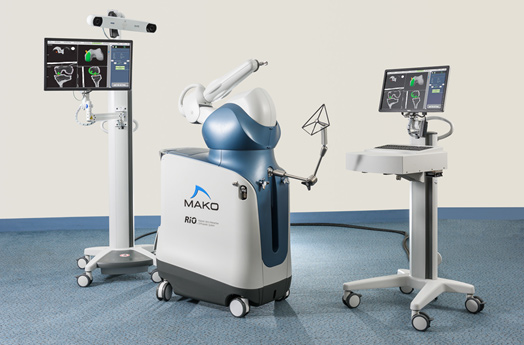
Robotic knee surgery, a revolutionary technique in orthopedics, has gained prominence for its capacity to augment the precision and individualization of knee procedures. However, the triumph of robotic knee replacement in Mumbai hinges greatly on the skills and knowledge of the surgical team. In this article, we’ll explore the paramount importance of training and expertise in the realm of robotic knee surgery, underscoring their profound influence on patient well-being. 1. Specialized Training for Surgeons: Performing robotic knee surgery requires specialized training for surgeons to effectively operate the robotic system and leverage its full potential. Surgeons undergo extensive training, which typically includes hands-on experience with the robotic technology and simulations to develop the necessary skills and expertise. This training helps surgeons become proficient in navigating the complex robotic interface and executing precise movements during surgery. 2. Understanding Robotic Technology: Robotic knee surgery involves the use of sophisticated technology and advanced software. Surgeons must have a deep understanding of the robotic system’s capabilities, including its various features and functionalities. This knowledge enables them to make real-time decisions during surgery, ensuring optimal implant positioning and alignment for each patient’s unique anatomy. 3. Personalized Surgical Planning: One of the key advantages of robotic knee surgery is the ability to create personalized surgical plans based on each patient’s specific needs. Surgeons use preoperative imaging data and advanced planning software to develop a customized surgical approach. Expertise in interpreting imaging results and accurately planning the surgery is crucial for achieving the desired outcomes. 4. Precision and Accuracy: The robotic system enhances the precision and accuracy of knee surgeries, allowing for more consistent results. Surgeons with expertise in robotic knee surgery can leverage the technology to make fine adjustments and ensure optimal alignment of implants, leading to improved joint function and longevity of the knee replacement. 5. Complication Management: While robotic knee surgery reduces the risk of complications, it does not eliminate them entirely. Experienced surgeons are well-equipped to handle any unexpected challenges that may arise during surgery. Their expertise allows for quick problem-solving and adaptation to ensure the best possible patient outcomes. 6. Postoperative Care and Rehabilitation: Expertise in robotic knee surgery extends beyond the operating room. Surgeons with a comprehensive understanding of knee anatomy and function can provide personalized postoperative care and rehabilitation plans. This ensures that patients receive appropriate guidance and support during their recovery, maximizing the benefits of robotic knee surgery. 7. Continuous Learning and Improvement: Like any rapidly evolving field, robotic knee surgery continues to advance with new technology and techniques. Surgeons with expertise in the field recognize the importance of continuous learning and staying up-to-date with the latest advancements. They actively participate in conferences, workshops, and training programs to enhance their skills and knowledge. Training and expertise are pivotal in achieving success and optimizing outcomes in robotic knee replacement in Mumbai. Surgeons must undergo specialized training to proficiently operate the robotic system and tailor surgical plans for individual patients. The precision and accuracy offered by robotic knee surgery depend on the surgeon’s grasp of the technology and its capabilities. Patients considering robotic knee replacement in Mumbai should prioritize surgeons with extensive experience and expertise in the field. This ensures the highest level of care and maximizes the chances of a successful procedure and smooth recovery. With a skilled surgical team, patients can harness the transformative potential of robotic knee surgery to enhance joint function, alleviate discomfort, and elevate their overall quality of life.
Understanding the Robotic Knee Replacement Cost: Factors and Considerations
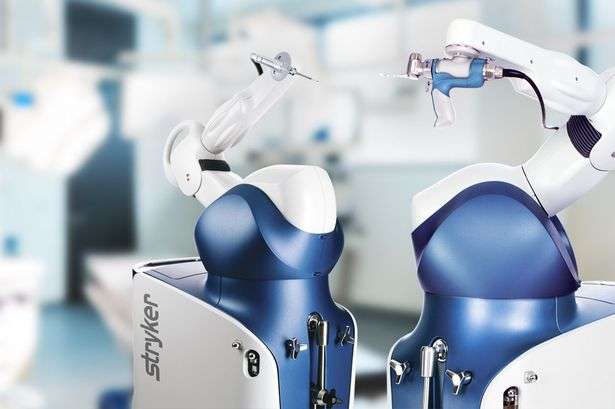
Knee replacement surgery can help people with bad knee arthritis by reducing pain and improving their ability to move. A newer type of surgery called robotic knee replacement uses a robotic arm to help the surgeon position the knee implants more precisely. This may allow for better results like less pain and faster recovery than classic knee replacement. The downside is robotic knee replacement costs more than the standard surgery. Suppose you’re looking into getting a robotic knee replacement cost in Mumbai. In that case, it’s vital to understand what impacts the price. Consider these key factors. Types of Robotic Systems There are several different robotic systems for knee replacement to choose from. Each has its costs and pros and cons. Make sure to learn about the benefits of your surgeon’s specific robotic system and how that affects the surgery fees. Surgeon’s Experience More expert surgeons who specialize in robotic procedures may charge higher prices. But it’s most crucial to confirm they are board-certified orthopedic surgeons. Also, ensure they have training and expertise with the specific robotic system recommended for knee replacement. Implant Choices The cost is also influenced by the type of knee implant selected. There are many implant options, each with its pros and cons. Your surgeon will help you pick the best fit for your needs and lifestyle. More advanced implant materials and designs often have higher prices. Insurance Coverage Check with your health insurance provider – robotic knee replacement may be partially or fully covered. But there may be needs like using an in-network surgeon or hospital. Understanding the insurance benefits and out-of-pocket costs is essential. Location Surgery costs can vary quite a bit depending on geographic location. Procedures tend to cost less in rural areas compared to major metro cities. Make sure to research typical costs specific to your area. Other Factors Variables like hospital stay length, required physical therapy, and difficulties can all impact the final robotic knee replacement price. Your specific situation and needs will drive costs. To further reduce the cost of robotic knee replacement surgery, the following additional tips may be helpful: Find out if there are any financial assistance programs available from your physician. If you are considering surgery, consider traveling to a less expensive location. A comparison of prices between hospitals and surgeons is recommended. Make sure you obtain multiple estimates before making a decision. Final words Many elements factor into the price of robotic knee surgery. Learning about each is smart as you decide if the benefits are worth the higher costs. Consult Kneebotics experts to get estimates about robotic knee replacement costs in Mumbai. And weigh both the clinical and financial factors before choosing robotic knee replacement
Robotic Knee Replacement – Future Of Knee Surgery

Knee replacement surgery is a common procedure performed to alleviate pain and improve mobility in patients with advanced knee arthritis. Although conventional knee replacement surgery has been performed for many years, current technological developments have resulted in the creation of robotic-assisted knee replacement surgery. Robotic knee surgery in Mumbai is a cutting-edge and accurate procedure that has various advantages over conventional surgery. Dr. Kunal is the best surgeon for the Robotic Knee Replacement. Introduction Robotic total knee arthroplasty, also referred to as robot-assisted total knee arthroplasty, is a minimally invasive surgical method that replaces the knee joint. The components of the knee implant are precisely positioned and aligned during the procedure using a robotic arm that is controlled by the surgeon. Although the first robotic knee replacement surgery was carried out in 1985, the technology wasn’t made more publicly accessible until the early 2000s. Since then, the procedure has developed further, and it is currently thought to be the knee surgery of the future. How does robotic knee replacement surgery work? The surgery to replace a knee with a robot is a multi-step process that is complicated. Here is an overview of the procedure: Imaging and preoperative planning Advanced imaging methods like CT scans or MRI are used to image the patient’s knee prior to surgery. In order to plan the surgery, a 3D model of the knee is made using the photographs. The surgeon can also spot any potential problems at this time that can crop up when performing the treatment. Surgical process A highly advanced robotic arm is used by the surgeon to make exact cuts in the bone and precisely place the knee implant during the robotic knee replacement procedure. The surgeon uses a computer to accurately control the robotic arm, allowing them to direct it to the precise spot where the surgery is to be performed. Due to the real-time adjustments made possible by this sophisticated technology, the implant is placed with the utmost accuracy and precision. Patients may thus enjoy lower chances of problems and quicker postoperative recovery durations. Patients who have undergone previous knee surgeries or who have complicated knee abnormalities benefit most from this approach since it allows the surgeon to operate with better precision and accuracy in the surgery. Benefits of using robotic technology during the procedure Several advantages of the procedure’s utilization of robotic technology include: Enhanced precision and accuracy Decreased danger of complications Less scarring and smaller incisions Faster turnaround times In Conclusion, robotic knee surgery in Mumbai is a highly advanced and precise surgical technique.They contributed to a substantial revolution in knee replacement surgery. Robotic technology dramatically improves surgical accuracy and precision, which lowers the risk of problems, results in smaller incisions, and speeds up patient recovery. Although not every patient is a candidate for robotic knee replacement surgery, those who are stand to gain significantly from this cutting-edge therapy. As technology continues to advance, we can expect to see even more significant developments in the field of knee surgery, bringing new hope to individuals suffering from advanced knee arthritis in Mumbai and beyond.
