
Training and Expertise in Robotic Knee Surgery
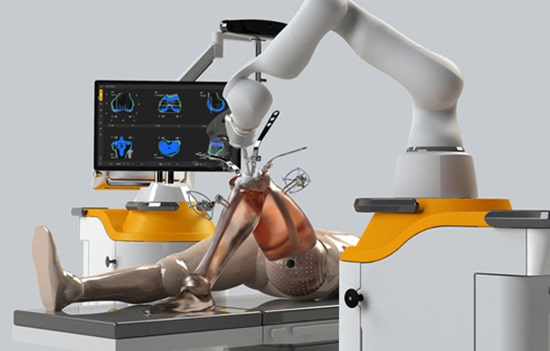
The world of medical technology continues to evolve, and one area that has seen remarkable progress is orthopedic surgery, specifically in the field of knee replacements. In recent years, robotic-assisted knee replacement surgery has gained significant attention for its ability to enhance precision, improve outcomes, and provide a new level of patient care. But every new thing requires a new education, a new training with expertise. In this blog, we’ll talk about robotic knee replacements in Mumbai and why you should consider your surgeon’s expertise and training. The Evolution of Knee Replacement Surgery: But Why Experts Only? Traditional knee replacement surgery has long been a dependable option for patients suffering from knee joint issues. However, the introduction of robotic-assisted techniques has revolutionized the way orthopedic surgeons approach these procedures. Contrary to what the term might imply, robotic-assisted knee replacement is not about robots taking control. Instead, it’s about harnessing cutting-edge technology to empower surgeons and optimize patient outcomes. Robotic-assisted knee replacement surgery is a collaborative effort between human expertise and advanced machinery. The robotic arm serves as a guide, assisting the surgeon in executing a planned surgical procedure. This innovative approach maximizes the surgeon’s skills, streamlining every stage of the procedure for the best possible results. Therefore, at Kneebotics, the procedure is carried out by a certified surgeon who is fully trained and expert in this area. Let’s see what makes an orthopedic surgeon certified for the surgery. Vigorous Training: A Prerequisite for Precision The complexity of robotic knee replacement surgeries demands a comprehensive and specialized training regimen. Just as a seasoned pilot trains extensively before taking control of a sophisticated aircraft, a surgeon undergoes rigorous training to ensure they can navigate the robotic arm with precision and confidence. Personal Expertise: A Super-Necessary Touch While technology can standardize many aspects of surgery, every patient’s anatomy is unique. This is where a surgeon’s personal expertise comes into play. A surgeon’s years of experience enable them to interpret the data provided by the robotic system and adapt it to the patient’s specific needs. This level of adaptability is something that technology alone cannot provide. Conclusion Robotic-assisted knee replacement surgery represents an exciting leap forward in medical technology. However, it’s essential to remember that the true power behind this innovation lies in the hands of the skilled surgeons who employ it. Rigorous training, personal expertise, and a commitment to delivering the highest standard of care ensure that patients receive the best outcomes possible.
Cost Considerations of Robotic Knee Surgery
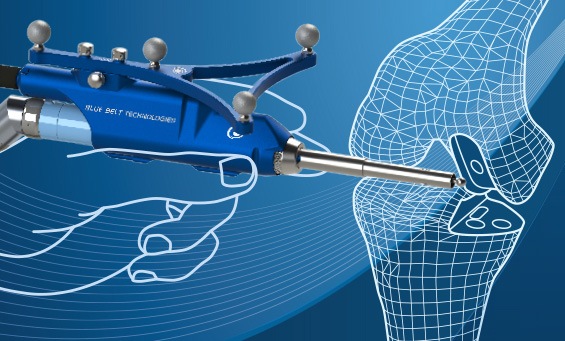
Total knee replacement surgery is one of the most common and effective orthopedic procedures. Another name for it is arthroplasty, which means repairing a joint surgically. The process includes surgery to repair or replace worn-out or damaged joints. This is done by using artificial joints. Total knee replacement surgery is expensive, and the cost must be considered. TKR involves various costs, such as those before the surgery, during the surgery, and after the surgery. Let’s go and find out more about what the best robotic surgeon in Mumbai says about the cost considerations of TKR. COST FACTORS FOR KNEE REPLACEMENT IN INDIA Choosing a city for treatment The cost of knee replacement surgery varies according to the city where you are having the procedure performed. A metropolis may have a higher price than a non-metropolis. Quality and type of implant used In determining the cost of a knee replacement surgery, it is important to consider the quality and type of knee implants. Several factors are considered by the orthopedic surgeon when selecting the best knee implant for the patient. For example, the degree of joint movement that the patient needs, the severity of damage to the joint, etc. The cost of hospitalization Hospitalization fees are determined by the type of room the patient prefers, the length of their stay in the hospital, etc. A deluxe/private room is more expensive than a shared hospital room. Patient’s age: As a patient’s age increases, the risk of poor outcomes and complications increases, thus increasing the surgery cost. Symptoms of pre-existing conditions: Diabetes (high blood sugar levels), hypertension (high blood pressure), blood disorders such as hemophilia (blood that fails to clot), etc., contribute to the high cost. Expenses associated with preoperative preparation: Doctor consultations, medical examinations, and diagnostic tests (X-rays, MRIs) have associated fees. Physical therapy and rehabilitation costs After knee replacement surgery, patients will need to do a lot of physical therapy and rehabilitation to regain joint mobility. Rehabilitation costs are determined by the length of treatment, the type of surgery, and the nature of the knee implant. The coverage of insurance In most cases, insurance coverage for knee replacement surgery is either partial or complete. Some insurance policies also specify which types of implants are covered. Find out the terms of your policy by contacting your insurance provider as soon as possible. Final words Many people wait until they are almost immobile for knee replacement surgery. Knee joints and surrounding structures are damaged more as you wait for surgery. In the meantime, you can’t perform even basic daily activities such as jogging or jumping. You have one life; live it well. Find out what robotic knee surgery in Mumbai costs with a free consultation at Kneebotics.
Robotic Knee Surgery- Key Advantages

Robotic knee surgery has been a groundbreaking technique which has revolutionized the knee surgery domain and made considerable advances in the medical field. It can be defined as an advanced technique which utilizes robotic systems to aid surgeons during knee surgery. It makes use of robotic instruments and real-time imaging technology. It improves precision, accuracy and customization in surgery. It has various advantages like better surgery success rate, faster recovery and less post-operative pain as compared to ordinary surgical methods. Kneebotics, the leading center for robotic surgery in mumbai, explores the benefits of this remarkable surgical advancement and the subsequent recovery process which are mentioned below: Advantages: 1. Enables better planning and customization: The robotic technique enables the creation of personalized treatment plans according to the patient’s condition. It makes use of advanced imaging and three-dimensional modeling technology to visualize the knee joint. With the help of this visualization, the surgeons can customize the procedure which ensures correct placement of implants and accurate alignment. 2. Improved Results: The robotic technology provides unparalleled accuracy in knee surgeries. It enables optimal alignment of the implant while reducing errors and complications. It has led to greater patient satisfaction, pain reduction, shorter stay time in hospital and faster recovery. 3. Minimally Invasive: Robotic knee surgery is based on the principle of minimum invasiveness. It involves smaller incisions which mean less blood loss, less tissue damage and lesser risk of infections. The minimum invasiveness leads to faster recovery which allows patients to return back to their normal life sooner. 4. Faster Rehabilitation: The procedural accuracy reduces trauma to surrounding tissues which results in lesser pain and faster recovery. The accelerated recovery has positive impacts on patients’ quality of life allowing them faster return to normal routine. 5. Long lasting benefits: The Robotic knee surgery not only provides immediate but also has long-term advantages. The longevity of the implant is improved through the precise alignment. This ensures long-lasting pain relief and better joint function. All in all, robotic knee surgery has been a revolutionary in the field of orthopedics which has offered greater precision and enhanced the patient experiences. As the robotic field continues to evolve, the robotic technique integration with the knee surgery domain has opened horizons of further advancements while paving the way for personalized and customized treatment options for patients seeking relief from knee problems. The Robotic knee surgery has for sure transformed the worldwide landscape of orthopedic care while offering a new level of precision and efficacy.
Risks & Complications of Robotic Knee Surgery

Robotic knee surgery has garnered a significant amount of attention in recent times. It is due to the precision and accuracy offered by the robotic systems used in it. Although this advanced technology has numerous benefits to offer, it is important to be aware of its potential risks and complications as well. Kneebotics, the leading centre of robotic knee replacement surgery in mumbai, provides an overview of the risks and complication associated with robotic surgery which are mentioned below: 1. Infections: Any surgical procedure runs the risk of post- operative infections. Despite taking all preventive measures to control infections, there is still a risk of developing them. Symptoms include pain, redness, swelling or discharge from the surgical site. The early detection and timely treatment can minimize complications. 2. Blood Clots: Robotic knee surgery runs the risk of blood clot development in the legs which is known as deep vein thrombosis (DVT). These clots can prove dangerous if they reach the lungs and cause a pulmonary embolism. Patients are prescribed blood-thinning medications, early mobilization and compression stockings to minimize this risk. 3. Nerve or Blood Vessel Damage: Although robotic surgery minimizes tissue trauma, there can still be risk of damage to the nerves or blood vessels. It can lead to damages of temporary or permanent sensory changes, numbness and blood supply impairment. 4. Complications related to Implants: Robotic surgery runs the risk of implant-related complications which include dislocation, instability, component loosening and wear/ tear. While the technique aims to optimize the implant positioning, patient anatomy and rehabilitation also determine the long-term success of the implant. 5. Allergic Reactions: Patients may have adverse allergic reactions to the materials used in knee implants. The materials can be metals or bone cement. Allergies can cause swelling and rashes etc. Allergies can be identified by preoperative testing and accordingly appropriate implant selection can be made. 6. Anaesthesia-related Risks: General or regional anaesthesia used in robotic surgery pose risks which include adverse reactions to medications, respiratory complications or cardiovascular complications. Anaesthesia providers should carefully assess the patients before surgery to minimize the potential risks. 7. Postoperative Pain and Rehabilitation risks: Patients may experience postoperative pain. Rehabilitation after surgery also plays a crucial role in optimizing results but it can demand proper commitment from the patient. Following a proper rehabilitation program and pain management strategies can help regain knee function. Robotic knee surgery has its own set of potential risks and complications for which surgeons take precautions. Patients should have open communication with their doctors to address any concerns. of such risks. Patients can maximize the benefits of robotic knee surgery if they are aware of the complications and can make informed decisions to achieve successful outcomes.
Embrace Innovation: Robotic Knee Replacement in Mumbai for Enhanced Precision

Orthopaedic surgery has made significant strides recently, especially in the area of knee replacement. Robot-assisted knee replacement surgery has changed the game by providing better accuracy, quicker healing time and better patient results. This article will explore robotic knee surgery in mumbai highlighting its advantages and the top facilities offering this cutting-edge treatment. Understanding Robotic Knee Replacement The cutting-edge surgical procedure known as robotic knee replacement combines the knowledge of orthopaedic doctors with cutting-edge robotic technology. Compared to conventional knee replacement operations, it has a number of benefits. A 3D virtual model of the patient’s knee is created by the surgeon using a robotic system during surgery, allowing for accurate planning and custom implant location. The surgeon is then helped by the robotic arm to carry out the surgical plan with unmatched accuracy. This method guarantees ideal alignment, less tissue injury and maintenance of strong ligaments and bone. The Benefits of Robotic Knee Replacement The advantages of robotic knee replacement for patients are numerous. The method, in the first place, offers higher accuracy and precision, leading to better alignment and a more natural feel. As a result, the implant will last longer and there will be less difficulties. Second, the robotic approach is minimally invasive in nature and results in smaller incisions, less blood loss and quicker recovery time. Patients recover more quickly from surgery, stay in the hospital for fewer days and have less post-operative discomfort. Last but not the least, improved joint stability and general knee function are associated with the maintenance of healthy tissue and ligaments. Leading Centers for Robotic Knee Replacement in Mumbai India’s thriving metropolis of Mumbai is at the forefront of medical innovation. In Mumbai, Kneebotics, a prestigious orthopaedic clinic provides robotic knee replacement surgery. It is known for its cutting-edge robotic technology and expert orthopaedic doctors. It offers a wide variety of orthopaedic services, assuring individualized care and a smooth surgical process. For the best results, patients seeking robotic knee surgery in Mumbai may take advantage of the skill of seasoned surgeons and access cutting-edge technology of Kneebotics. Who Can Benefit from Robotic Knee Replacement? For people with severe knee arthritis, joint abnormalities or knee injuries that have not responded to conventional therapy, robotic knee replacement is a possible alternative. Younger patients who want to continue an active lifestyle will benefit the most from it. Furthermore, patients requiring revision surgery or those with complicated anatomical concerns might profit from the precision and accuracy provided by the robotic system. However, because every situation is different, it is crucial to speak with an orthopaedic professional to decide on the best course of action. A great advancement in orthopaedic surgery has been made in robotic knee replacement in mumbai. This ground-breaking technique has transformed the knee replacement industry thanks to its unequalled accuracy, quicker recovery period and better patient results. Patients may take advantage of the newest technology and skilled care by selecting Kneebotic’s robotic knee surgery in Mumbai, assuring a successful and life-changing surgical experience.
