
Types of Robotic Surgeries Available in Mumbai & Their Benefits
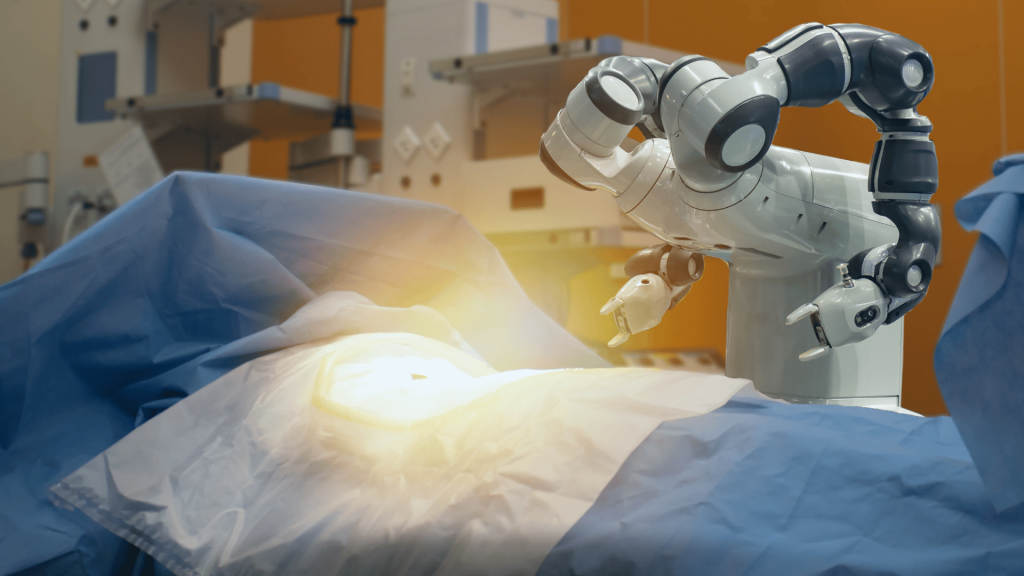
Robotic surgery is revolutionizing the way we think about medical procedures. With advanced technology at our fingertips, surgical interventions have become more precise, less invasive, and often quicker than traditional methods. In Mumbai, a bustling hub of medical innovation, robotic surgeries are gaining popularity for their numerous advantages. Patients are drawn to the promise of faster recovery times and improved outcomes. As advancements in robotics continue to shape healthcare practices, many patients are exploring their options in this exciting field. From orthopedic solutions like Kneebotics to complex procedures across various specialties, robotic surgery is making waves in Mumbai’s healthcare landscape. Let’s dive deeper into the types of robotic surgery in Mumbai available here and discover how they can transform your health journey! Advancements in Robotic Surgery Technology Robotic surgery technology has seen remarkable advancements in recent years, transforming the landscape of minimally invasive procedures. Surgeons now have access to sophisticated systems that enhance precision and control during operations. One notable innovation is the introduction of 3D visualization. This offers a clearer, more detailed view of anatomical structures, allowing for greater accuracy when navigating delicate tissues. Additionally, haptic feedback technology provides surgeons with tactile sensations as they operate. This enhances their ability to feel what’s happening within the body, leading to improved outcomes. Automation features are also gaining traction in robotic surgical systems. These can assist or even perform specific tasks autonomously, reducing surgeon fatigue and increasing efficiency during lengthy procedures. As these technologies continue to evolve, they promise not only enhanced performance but also increased safety for patients undergoing robotic surgery in Mumbai and beyond. Types of Robotic Surgeries Available in Mumbai Mumbai is becoming a hub for advanced medical procedures, particularly robotic surgeries. These innovative techniques offer precision and minimal invasiveness. One popular type is robotic-assisted laparoscopic surgery. This method allows surgeons to perform complex abdominal operations with enhanced control. It’s especially effective for gallbladder removal and hernia repairs. Another emerging option is the da Vinci surgical system, commonly used in urology and gynecology. Prostatectomies and hysterectomies benefit from this technology, leading to quicker recovery times. Orthopedic surgeries are also witnessing advancements through robotics. Procedures such as knee replacements are performed using specialized systems like Kneebotics, ensuring better alignment and reduced pain post-operation. Additionally, cardiac surgeries utilizing robotic assistance enhance patient safety while reducing hospital stays. With various types of robotic surgeries available in Mumbai, patients have access to cutting-edge options tailored to their distinct needs. Benefits of Robotic Surgeries over Traditional Surgeries Robotic surgeries offer precision that traditional methods often struggle to match. With enhanced visualization and dexterity, surgeons can perform intricate procedures with minimal invasiveness. This technology allows for smaller incisions, which translates into reduced pain and faster recovery times for patients. Many individuals find themselves back on their feet much sooner compared to conventional surgery. The risk of infection decreases significantly due to the less invasive nature of robotic techniques. Patients also enjoy shorter hospital stays, allowing them more time at home rather than recovering in a medical facility. Moreover, robotic-assisted surgeries tend to minimize blood loss during operations. This factor not only enhances patient safety but also shortens overall surgical time. With advanced tools like Kneebotics specifically designed for knee surgeries, patients have access to tailored solutions that cater directly to their needs while improving outcomes and satisfaction levels. Success Rates and Patient Experiences Success rates for robotic surgeries in Mumbai are impressively high. Many patients report significant relief from their conditions and quicker recoveries compared to traditional methods. Numerous testimonials highlight the precision of robotic systems, which minimize damage to surrounding tissues. This accuracy often translates into less postoperative pain and faster mobilization. Patients frequently share positive experiences regarding their overall hospital stays. The minimally invasive nature means smaller incisions, leading to reduced scarring and a more aesthetically pleasing result. Moreover, many individuals express satisfaction with the short recovery times associated with these procedures. It allows them to return to daily activities sooner than expected, enhancing quality of life significantly. Healthcare providers also emphasize the importance of follow-up care post-surgery. They ensure that patients feel supported throughout their healing journey, further contributing to successful outcomes and patient happiness. Cost Comparison between Robotic and Traditional Surgeries The cost of robotic surgery in Mumbai often raises questions. While it may appear higher than traditional methods, this perspective requires deeper examination. Robotic surgeries involve advanced technology and specialized training for surgeons. These factors contribute to the initial expense but can lead to significant savings in the long run. Patients typically experience shorter hospital stays with minimally invasive procedures. This reduced recovery time translates into lower overall costs related to post-operative care and lost wages. Insurance coverage also plays a vital role. Many providers are increasingly recognizing the benefits of robotic-assisted procedures, which can help offset some expenses. Understanding these financial aspects is essential for informed decision-making when considering surgical options like Kneebotics or other robotic interventions. Balancing immediate costs against potential long-term benefits helps clarify what truly matters in your healthcare journey. Factors to Consider before Opting for a Robotic Surgery Choosing robotic surgery is a significant decision that requires careful consideration. First, evaluate your medical condition and how it aligns with the types of robotic surgeries available in Mumbai. Not all procedures may be suitable for every patient. Next, consult with your healthcare provider about their experience and success rates with robotic techniques. It’s essential to understand their approach and how often they utilize this technology. Another crucial factor is the hospital’s accreditation. Ensure that you are opting for a facility known for its advanced surgical capabilities and positive patient outcomes. Consider the recovery process as well. Robotic surgeries typically offer quicker healing times, but individual experiences can vary based on personal health factors. Think about financial implications. Verify insurance coverage specifics related to robotic procedures to avoid unexpected costs later on. Conclusion robotic surgery in Mumbai is transforming the landscape of medical procedures in Mumbai. With advancements leading to precision and minimally invasive techniques,
Recovery & Results: What to Expect After Robotic Knee Replacement in Mumbai

Are you tired of living with knee pain that limits your daily activities? The advancement of technology in medicine has brought about a game-changer: robotic knee replacement in mumbai. This innovative procedure is transforming the way patients approach knee surgery, offering precision and improved outcomes. If you’re considering robotic knee replacement in Mumbai, it’s essential to understand what lies ahead after surgery. From recovery timelines to potential results, this guide will help you navigate the journey back to an active lifestyle while shedding light on Kneebotics—the pioneering solution for joint relief. Read on to discover how this revolutionary treatment can improve your life! Understanding Robotic Knee Replacement Surgery Robotic knee replacement surgery is a cutting-edge procedure that enhances traditional techniques using advanced robotics. This method integrates computer technology to assist surgeons in achieving remarkable precision during the operation. During the surgery, a robotic arm guides the surgeon’s movements, ensuring accurate alignment of the new joint components. This precision helps to preserve healthy bone and tissue, which can lead to improved functionality post-surgery. The process begins with detailed imaging studies of your knee. These images create a 3D model, allowing for customized planning tailored specifically to your anatomy. The result? A more personalized approach compared to standard procedures. Patients often experience reduced pain and faster recovery times due to this innovative technique. With increased accuracy and better outcomes on the horizon, robotic knee replacement is paving the way for effective solutions in orthopedic care across Mumbai. Benefits of Robotic Knee Replacement Robotic knee replacement offers precision that traditional surgery can’t match. The use of robotic technology enables surgeons to create a personalized plan tailored to each patient’s unique anatomy. This advanced approach minimizes soft tissue damage during the procedure. Patients often experience less pain and swelling post-surgery, leading to faster recovery times. Another significant benefit is enhanced alignment and positioning of the implant. Proper alignment can result in improved joint function, making everyday activities easier and more comfortable. Additionally, robotic systems provide real-time feedback throughout the surgery. This ensures optimal outcomes by allowing adjustments as needed for better accuracy. Patients frequently report higher satisfaction levels with their results when opting for this modern technique, enhancing their quality of life significantly after surgery. Recovery Timeline and Process After undergoing robotic knee replacement, the recovery timeline can vary from patient to patient. Typically, you can expect a hospital stay of one to three days. During this time, your medical team will monitor your progress closely and manage any pain. Once home, many patients begin light activities within a week or two. Walking with assistance is encouraged early on to promote circulation and healing. By the end of the first month, most individuals are walking independently and experiencing less discomfort. Still, it’s essential to maintain a balance between rest and activity. In months two to three, physical therapy becomes crucial for regaining strength and mobility in your knee. Commitment during this phase significantly impacts long-term results. Regular follow-ups with your surgeon will help track your recovery journey and ensure everything is progressing as expected. Physical Therapy and Rehabilitation After robotic knee replacement in Mumbai, physical therapy plays a crucial role in recovery. Patients often feel eager to regain mobility and strength. A tailored rehabilitation plan can make all the difference. Right after surgery, gentle movements begin. This phase focuses on reducing stiffness and improving flexibility. Gradually, therapists introduce exercises that strengthen the muscles around the knee. As weeks progress, sessions become more intense. Patients work on balance and coordination while gradually increasing weight-bearing activities. Many find this part of recovery empowering as they see tangible improvements. Therapists also educate patients about proper techniques for daily activities. Understanding how to bend, lift, or squat reduces risks of future injuries. Consistency is key during this period. Engaging with physical therapy not only enhances healing but also fosters confidence in one’s abilities post-surgery. Potential Results and Success Rates Robotic knee replacement in Mumbai offers promising results for patients suffering from chronic knee pain and limited mobility. Many who undergo this advanced procedure experience significant relief from arthritis-related discomfort. Success rates are notably high, with studies indicating over 90% of patients reporting improved functionality after the surgery. This enhanced precision during the operation leads to better alignment and stability of the knee joint. Patients often return to their daily activities within weeks, enjoying a renewed sense of freedom. The minimally invasive nature of robotic techniques also means less scarring and faster recovery times. Long-term outcomes look encouraging too. Research shows that many individuals maintain these improvements for years post-surgery, allowing them to enjoy an active lifestyle without restrictions. Patient Experiences and Testimonials Patients often share transformative stories after their robotic knee replacement in Mumbai. Many describe a sense of relief from chronic pain that had once hindered their daily lives. One patient expressed joy at rediscovering activities like hiking and playing with grandchildren. The newfound mobility has changed not just physical capabilities but also emotional well-being. Another shared how the precision of Kneebotics technology made her feel secure about the surgery. She appreciated how quickly she could return to work, highlighting minimal downtime as a game-changer. Testimonies reveal a common theme: hope restored through advanced medical technology. Each story is unique, yet they collectively showcase the impact this procedure can have on quality of life. It’s inspiring to hear how patients embrace new beginnings following their surgeries. Choosing the Right Surgeon When it comes to robotic knee replacement in Mumbai, the choice of surgeon is crucial. A skilled and experienced surgeon can significantly influence your recovery journey and overall outcomes. Start by researching credentials. Look for board-certified orthopedic surgeons who specialize in robotic procedures. This ensures they have undergone rigorous training specific to this advanced technology. Experience matters too. Consider how many robotic knee replacements they’ve performed successfully. High volume often correlates with better results. Patient reviews provide insight into a surgeon’s approach and bedside manner. Testimonials can reveal what you might expect during consultations and post-operative
Best Robotic Surgery Experts in Mumbai for Minimally Invasive Procedures
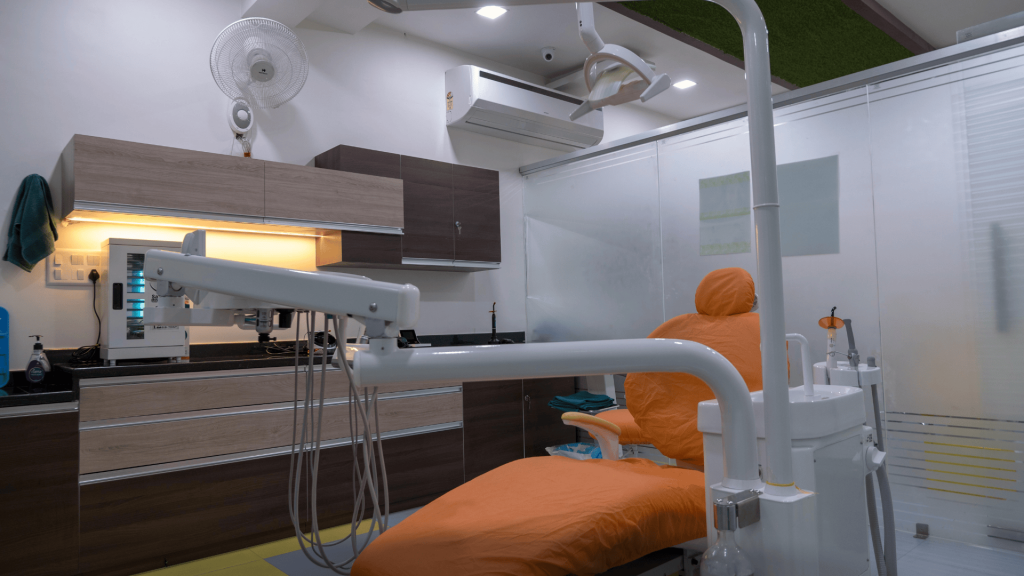
Robotic surgery is transforming the landscape of medical procedures, offering patients a precision that traditional methods simply can’t match. Imagine a surgical experience where incisions are smaller, recovery times are quicker, and outcomes are often better. This is the reality for many who have sought treatment from some of the best robotic surgeon in mumbai. As technology advances, so does our ability to perform complex surgeries with incredible accuracy. Minimally invasive techniques not only enhance patient comfort but also reduce hospital stays and complications. In a bustling city like Mumbai, where healthcare options abound, knowing who stands out as the top experts can make all the difference in your surgical journey. Join us as we explore the world of robotic surgery—highlighting its benefits, sharing inspiring success stories, delving into technological innovations, and guiding you on how to choose the right surgeon for your needs. Whether you’re considering knee surgery or another procedure powered by Kneebotics technology, this guide will equip you with valuable insights to navigate your healthcare choices confidently. Benefits of Minimally Invasive Procedures Minimally invasive procedures offer a range of advantages that can significantly enhance patient experiences. One primary benefit is reduced recovery time. With smaller incisions, patients often find themselves back on their feet much quicker than with traditional surgery. Less pain is another compelling factor. These techniques minimize trauma to surrounding tissues, which leads to lower post-operative discomfort and less reliance on pain medications. Patients also enjoy shorter hospital stays. Many minimally invasive surgeries allow for same-day discharge, promoting comfort in familiar surroundings sooner rather than later. Additionally, there’s a decreased risk of complications such as infections and scarring. By avoiding large openings in the body, the likelihood of adverse effects diminishes considerably. Many people appreciate that these procedures often result in minimal visible scars. This aesthetic advantage can play a crucial role in overall satisfaction with surgical outcomes. Case Studies and Success Stories Robotic surgery has transformed many lives, showcasing remarkable success stories across various medical fields. One such case involved a patient suffering from severe prostate cancer who underwent robotic-assisted laparoscopic prostatectomy. The precision of the procedure led to minimal blood loss and a swift recovery, allowing him to return to his daily activities within days. Another inspiring story comes from orthopedic surgery. A young athlete with a torn ligament in her knee opted for robotic-assisted knee reconstruction. With advanced technology guiding the surgeon’s movements, her operation was not only successful but also resulted in an accelerated rehabilitation process. She is now back on the field stronger than ever. These examples highlight how innovative approaches can lead to exceptional outcomes in minimally invasive procedures, providing hope and improved quality of life for patients seeking treatment options like those offered by Kneebotics. Latest Technological Advancements in Robotic Surgery Robotic surgery is evolving rapidly, pushing the boundaries of what’s possible in medical procedures. Surgeons now have access to advanced robotic systems that enhance precision and control during operations. One notable development is the integration of artificial intelligence. AI algorithms analyze data in real-time, assisting surgeons with decision-making and improving outcomes. Another innovation involves enhanced imaging technology. High-definition 3D visualization allows for better anatomical understanding, enabling surgeons to navigate complex structures more effectively. The introduction of flexible robotics provides new avenues for minimally invasive techniques. These tools can maneuver through tight spaces within the body, reducing trauma and recovery time. As research continues, we’re witnessing a shift toward automation in surgical processes. This not only improves efficiency but also holds promise for standardized care across various hospitals. The future looks bright for patients seeking less intrusive surgical options. How to Choose the Right Robotic Surgeon Choosing the right robotic surgeon is crucial for a successful experience. Start by researching their qualifications and credentials. Look for board certifications in relevant specialties. Experience matters, especially with robotic techniques. Next, consider how many procedures they’ve performed using robotic systems. Higher numbers often correlate with better outcomes. Don’t hesitate to ask about their success rates as well. Patient reviews can provide insight into the surgeon’s approach and bedside manner. Engaging with past patients can reveal experiences you might not find in statistics alone. Location also plays a role; proximity to quality healthcare facilities is important for follow-up care. Trust your instincts during consultations. A good rapport will make you feel more comfortable throughout the process, ensuring you’re making an informed decision based on confidence rather than fear or uncertainty. Conclusion Robotic surgery is transforming the landscape of medical procedures, especially in Mumbai. With minimal invasiveness as a core advantage, patients benefit from quicker recovery times and less postoperative pain. The success stories emerging from local hospitals showcase the remarkable outcomes that skilled best robotic surgeon in mumbai achieve. As technology continues to advance, the field of robotic surgery is only expected to grow. Innovations are making these procedures even more precise and effective, offering hope for those facing complex surgeries. Choosing the right surgeon can be daunting but focusing on their experience with robotic techniques can guide you toward optimal care. Researching credentials and seeking referrals will empower your decision-making process. Mumbai boasts some of the best robotic surgeons who stand out not just for their skills but also for their commitment to patient-centered care. Whether considering options like Kneebotics or other specialized services, prospective patients have access to exceptional talent in this bustling metropolis. This evolving field promises exciting developments ahead for both practitioners and patients alike.
Robotic Surgery in Mumbai: Redefining the Standard of Care in India
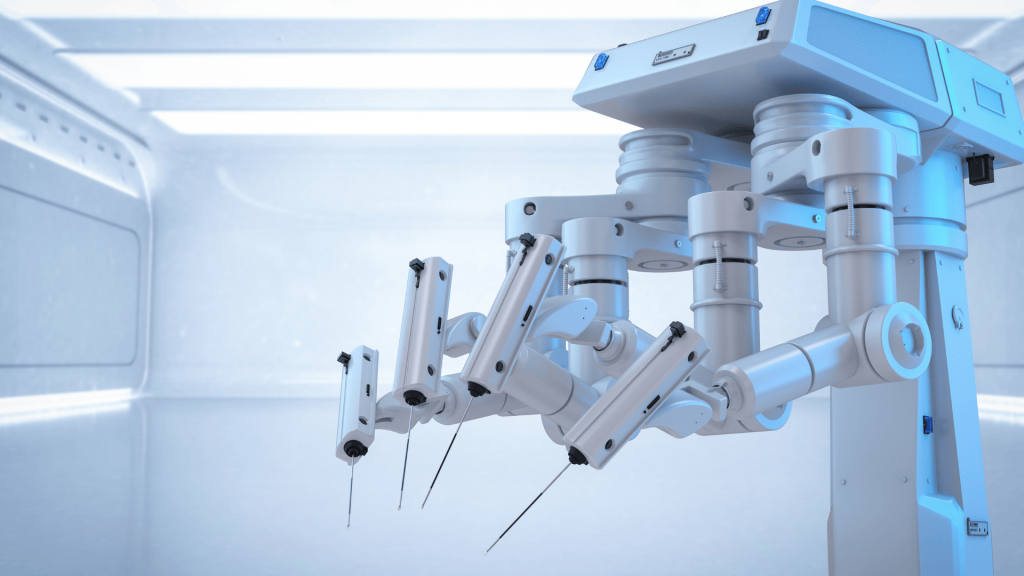
Robotic surgery is transforming the landscape of medical care, and Mumbai is at the forefront of this technological revolution. Imagine a surgical procedure where precision meets innovation—where tiny robotic instruments are guided by expert surgeons to perform complex operations with unmatched accuracy. This cutting-edge approach not only enhances outcomes but also minimizes recovery time for patients. As more hospitals in Mumbai adopt robotic systems, patients now have access to safer and more effective treatment options than ever before. Whether facing routine procedures or major surgeries, individuals can benefit from this advanced technology that redefines traditional standards of care. The surge in interest surrounding robotic surgery reflects a growing understanding among healthcare professionals and patients alike: it’s more than just a trend; it’s the future of medicine. Let’s explore how robotic surgery in mumbai and what it means for those seeking exceptional healthcare solutions. The Rise of Robotic Surgery in Mumbai Mumbai has witnessed a remarkable transformation in the field of healthcare. Robotic surgery is leading this change, becoming increasingly popular among both surgeons and patients. The introduction of advanced robotic systems has revolutionized surgical approaches. Surgeons can now perform procedures with enhanced precision and minimal invasiveness. Several hospitals in Mumbai have adopted robotic technology, showcasing its potential to improve patient outcomes significantly. This trend indicates a growing acceptance within the medical community. Moreover, ongoing training programs for surgeons ensure that expertise keeps pace with technological advancements. As more practitioners gain experience, the adoption rate continues to rise. Patients are also becoming more aware of these innovative options. With benefits like reduced recovery times and smaller scars, many are opting for robotic-assisted surgeries over traditional methods. As awareness grows, so does the demand for high-quality care that combines cutting-edge technology with compassionate treatment. Advantages of Robotic Surgery Robotic surgery offers precision that is unmatched by traditional methods. Surgeons can maneuver robotic arms with incredible accuracy, minimizing the risk of human error during complex procedures. The minimally invasive nature of these surgeries leads to smaller incisions. This results in reduced scarring and quicker recovery times for patients. Many find themselves back on their feet much sooner than expected. Another significant advantage is enhanced visualization. Surgeons benefit from high-definition 3D views inside the body, allowing them to navigate intricate structures better than ever before. Patients often experience less pain post-surgery due to reduced tissue damage. This improvement in comfort levels enhances overall patient satisfaction. Additionally, robotic systems allow for greater dexterity and flexibility compared to conventional surgical techniques. The ability to perform delicate maneuvers makes a difference in outcomes for various medical conditions. Success Stories of Robotic Surgeries in Mumbai Hospitals Mumbai’s hospitals have witnessed remarkable success stories thanks to robotic surgery. Surgeons are utilizing advanced technology to perform intricate procedures with precision. One notable case involved a complex prostatectomy at a leading hospital. The patient experienced minimal pain and was discharged within 24 hours, showcasing the benefits of quicker recovery times associated with robotic methods. Another inspiring story emerged from an orthopedic clinic where knee replacement surgeries were transformed through Kneebotics technology. Patients felt less trauma during the operation and reported significant mobility improvements shortly after. These achievements highlight not only the skill of medical professionals but also the transformative impact of robotic systems in enhancing surgical outcomes. With high levels of patient satisfaction, Mumbai is becoming a beacon for advanced healthcare practices in India. Cost Comparison with Traditional Surgeries When considering robotic surgery in Mumbai, one crucial factor is the cost. Many patients wonder how it stacks up against traditional surgical methods. Robotic surgeries often come with a higher initial price tag due to advanced technology and specialized training for surgeons. However, this can be misleading when looking at the bigger picture. Patients frequently experience shorter recovery times and reduced hospital stays. This leads to lower overall healthcare costs in many cases. Additionally, fewer complications mean less need for follow-up procedures or extended therapies. Over time, savings from decreased downtime and quicker returns to daily activities can balance out the initial investment. Moreover, insurance coverage is evolving as robotic surgery becomes more common. As hospitals adopt these techniques, they may offer competitive pricing options that make them accessible for a broader range of patients seeking innovative care solutions like Kneebotics. Challenges and Limitations Robotic surgery in Mumbai, while groundbreaking, faces several challenges. One significant hurdle is the high cost associated with these advanced systems. Many patients may find robotic procedures out of reach due to financial constraints. Training medical professionals also presents an obstacle. Surgeons need extensive education and practice to master robotic techniques effectively. This learning curve can delay widespread adoption. Not all hospitals have access to cutting-edge robotic platforms like Kneebotics. Limited availability means that many patients may not get the option for minimally invasive surgical methods. Technological limitations are another concern. While robots enhance precision, they rely heavily on software and hardware that must be regularly updated and maintained. Any technical failure during a procedure can lead to serious complications. There’s still some skepticism among patients regarding robot-assisted surgeries versus traditional methods which can hinder acceptance in certain demographics. Future of Robotic Surgery in India The future of robotic surgery in India looks promising and vibrant. With advancements in technology, more hospitals are integrating robotic systems into their surgical practices. This evolution enhances precision and improves patient outcomes. Training programs for surgeons are becoming increasingly prevalent. These initiatives ensure that medical professionals are well-equipped to handle advanced robotic equipment effectively. Moreover, as awareness grows among patients about the benefits of minimally invasive procedures, demand is likely to rise. This shift could lead hospitals to adopt even more sophisticated robotic solutions tailored to various specialties. Research and development will play a crucial role too. Innovative companies focused on enhancing robotics can tailor solutions specifically for Indian healthcare needs, making surgeries safer and more efficient. The landscape is evolving rapidly; soon, we may see robots assisting with complex procedures across numerous disciplines, transforming how surgeries are performed nationwide. Conclusion
How Robotic Knee Replacement Surgery in Mumbai Enhances Precision and Recovery
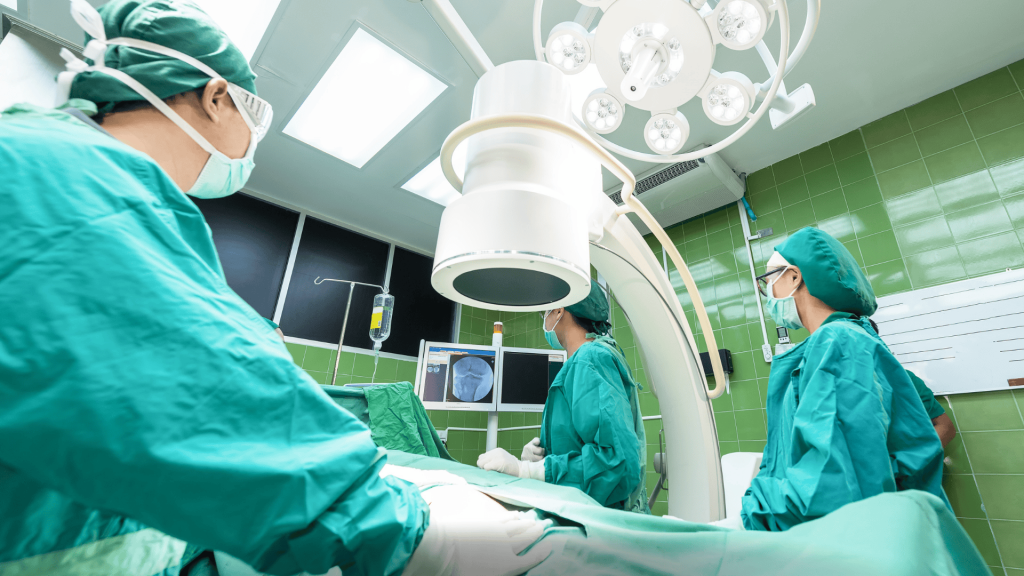
Knee pain can be a game-changer, impacting everything from your daily activities to your overall quality of life. For many people, traditional knee replacement surgery has offered relief, but advancements in technology are taking this procedure to new heights. Enter robotic knee replacement surgery in mumbai—a cutting-edge approach that not only enhances precision during the operation but also streamlines recovery afterward. Imagine a surgical process where intricate movements are executed with unparalleled accuracy and minimal invasiveness. This innovative technique is changing how patients view knee replacements. It’s an exciting time for those suffering from chronic knee issues, as they now have access to a solution that promises better outcomes and quicker returns to their favorite activities. As we explore the world of robotic-assisted surgeries, you’ll discover just why this method is gaining traction among both patients and orthopedic specialists alike. Let’s dive into what makes robotic knee replacement surgery such a remarkable option for those seeking relief in vibrant Mumbai! Understanding Knee Replacement Surgery Knee replacement surgery is a procedure designed to relieve pain and restore function in individuals suffering from severe knee damage. This damage often results from arthritis, injury, or age-related wear and tear. During the surgery, the damaged parts of the knee joint are removed and replaced with artificial components made from metal and plastic. These implants mimic natural knee movement while providing stability. Patients typically seek this option when conservative treatments, like medications or physical therapy, fail to alleviate their discomfort. The goal is not just pain relief but also improved mobility for a better quality of life. While traditional methods have proven effective for many years, advancements in surgical techniques now offer patients more precise options that enhance outcomes significantly. Understanding these fundamentals sets the stage for exploring exciting innovations in robotic-assisted procedures available today. The Advancements in Robotic Knee Replacement Surgery Robotic knee replacement surgery represents a significant leap forward in orthopedic care. This innovative approach employs advanced robotics to enhance surgical precision and improve outcomes. Surgeons now utilize robotic arms that assist in planning the procedure with remarkable accuracy. These systems create detailed 3D models of the patient’s anatomy, allowing for personalized implants tailored to individual needs. This level of customization minimizes errors during surgery, ensuring proper alignment and fit of the prosthetic components. Furthermore, robotic technology allows for minimally invasive procedures. Such approaches can reduce tissue damage while promoting quicker recovery times. Patients often experience less pain post-surgery and enjoy a faster return to everyday activities. As technology continues to evolve, ongoing enhancements are expected in both capabilities and patient care protocols within robotic knee replacement surgeries across Mumbai’s leading medical facilities. Benefits of Robotic Knee Replacement Surgery Robotic knee replacement surgery offers numerous advantages over traditional methods. One of the most significant benefits is enhanced precision. The robotic system allows surgeons to plan and execute each movement with remarkable accuracy, ensuring proper alignment and positioning of the implant. This increased precision often leads to improved outcomes. Patients typically experience less pain after surgery due to minimized soft tissue damage during the procedure. Another notable advantage is faster recovery times. Many patients find they can resume daily activities sooner than expected, thanks to the minimally invasive techniques used in robotic procedures. Additionally, this technology provides personalized treatment plans based on individual anatomy. Surgeons can tailor their approach using advanced imaging and analytics, ultimately leading to a more successful long-term result for patients seeking relief from knee pain. The Procedure and Recovery Process Robotic knee replacement surgery is a highly precise procedure. It begins with advanced imaging technologies to create a detailed map of the patient’s knee. This allows the surgeon to tailor the operation to individual anatomy. Once the plan is set, robotic arms assist in removing damaged cartilage and bone. The robot ensures that each cut is exact, minimizing damage to surrounding tissues. This precision often leads to less pain post-surgery and quicker healing. After surgery, patients typically move into recovery within hours. Physical therapy starts early, encouraging mobility while reducing stiffness. Most individuals can stand or walk short distances on the same day. The first few weeks are crucial for recovery. Patients may use crutches but generally see improvement quickly as they regain strength and flexibility. Regular follow-up appointments help track progress and address any concerns during this transformative journey toward restored function. Real Patient Experiences and Testimonials Real patient experiences shine a light on the effectiveness of robotic knee replacement surgery in Mumbai. Many individuals who underwent this procedure describe their journeys with enthusiasm and relief. One patient, Priya, shared how she was back to her daily routine just weeks after surgery. “I couldn’t believe how quickly I regained my mobility,” she said. Stories like hers highlight not only the speed of recovery but also the reduced pain compared to traditional methods. Another patient, Ravi, praised his surgeon’s expertise and the technology used during his operation. He felt reassured knowing that robotics enhanced precision throughout the process. For him, it wasn’t just about physical improvement; it was about regaining his independence. These testimonials reflect a common theme: hope and satisfaction. Patients are finding renewed joy in activities they thought were lost forever due to knee pain. Their stories encourage others seeking solutions for similar challenges. Choosing the Right Surgeon and Hospital for Robotic Knee Replacement Surgery in Mumbai Selecting the right surgeon is crucial for robotic knee replacement surgery in Mumbai. Look for a specialist with substantial experience in orthopedic robotics. Their expertise can significantly impact your outcome. Research hospitals that are equipped with advanced technology and a dedicated robotic surgery unit. Facilities should be accredited and known for their patient care standards. Read reviews and seek recommendations from previous patients to gauge satisfaction levels. Don’t hesitate to ask about the surgeon’s success rates specifically related to robotic procedures. Consider scheduling consultations with potential surgeons. This allows you to discuss your condition, treatment options, and any concerns you may have. Ensure that both the surgeon and hospital prioritize
