
Embracing Precision: Why Robotic Surgery in Mumbai is Transforming Knee Care
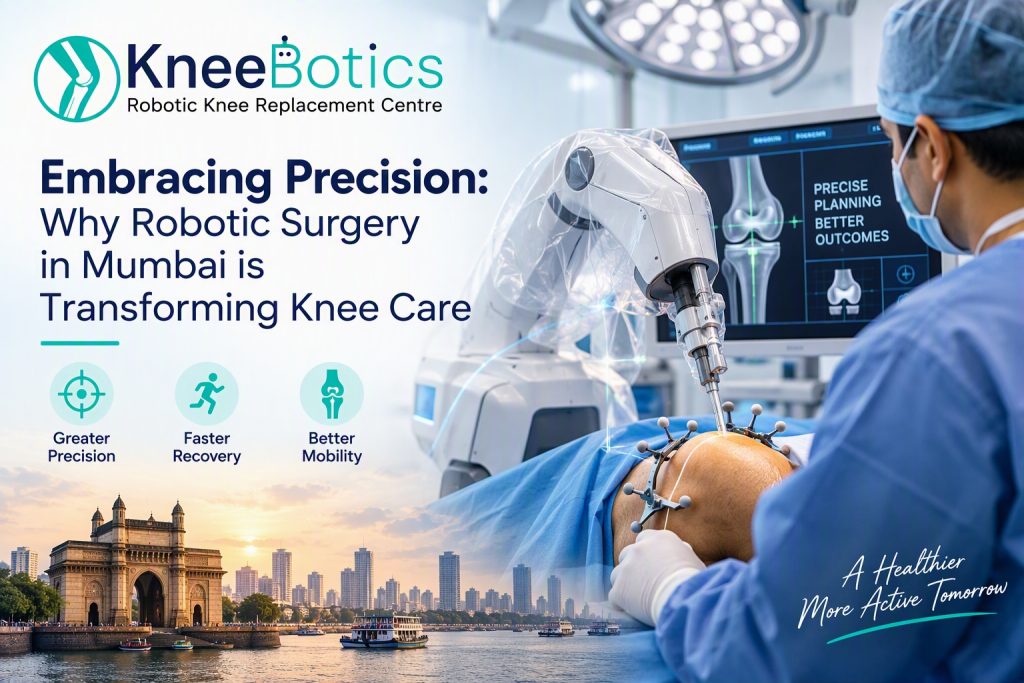
There are fewer things more discouraging than slowly losing the ability to enjoy the simple things in life due to knee pain, and then needing to think about how you will do everyday activities like walk, play with your grandchildren, or climb stairs. There are not enough words to describe the quality of life degenerating condition of having advanced osteoarthritis or joint degeneration, and how knee replacement can improve it. However, that was as far as knee care advancement was going to get. However, medical technology has evolved past traditional methods. Today, advanced robotic surgery in Mumbai is redefining precision, safety, and recovery timelines for orthopedic patients. KneeBotics has pioneered these advancements in knee care. They constantly strive to push the boundaries of advancements in healthcare to help patients make the best and most well informed decisions for their joint health. Spotlight on Robotic Partial Knee Replacement in Mumbai Arthritis of the knee can occur in one or both compartments of the knee. Often it is seen involving the inner or medial part of the knee only. In such cases, the complete knee joint does not need to be replaced. This is where robotic partial knee replacement in Mumbai offers a remarkable advantage. Who is it for? People who have uni-compartmental osteoarthritis where the cartilage in only one compartment gets damaged and the important knee ligaments like ACL are intact, can opt for partial knee replacement. Key benefits of partial knee replacement: Preservation of Natural Bone and Tissue: In partial knee replacement, the damaged part of the cartilage and bone is removed and replaced with metal and plastic components. So the natural healthy ligaments of the knee are preserved. A More “Natural” Feeling Knee: Because the natural ligaments of the knee are not cut, the knee retains more of its natural range of motion and can feel more like a biological knee. Less Pain and Smaller Incisions: With the use of robotics, the incisions can be smaller and the ligaments of the knee remain preserves, which can help reduce pain and blood loss. Quicker Recovery: Patients who have undergone a robotic partial knee replacement can expect to get up and move around quicker compared to patients who have undergone a total knee replacement. Faster recovery also means patients can return to their daily activities and routines quicker. The Robotic Surgery Process Robotic surgery is a long and tedious process, which can understandably cause anxiety. We hope this overview helps you with your surgery preparation. Comprehensive Evaluation: First, we will perform an extensive physical evaluation and review special scans to assess the severity of your arthritis and determine the type of knee replacement (total or partial). Personalized Surgical Blueprint: Using the latest technology, we design a personalized surgical plan, based on the unique geometry of your knee. The Procedure: Through the latest anesthetic techniques and aided with advanced robotics, the pre-planned positions of the long-term knee implants are executed and aligned for optimal function. Rehabilitation and Recovery: Following the surgery, a structured, advanced physiotherapy program, aids in regaining walking confidence and range of motion of the knee. Consider the Next Step for Pain Free Mobility It shouldn’t be normal to wake up with stiff and swollen knees that ache all day. Life changing knee surgeries using breakthrough technology in robotic surgery, to bring an improved quality of life to people in Mumbai, is now a reality. If you are wanting to understand the options available to you for a robotic partial knee replacement in Mumbai or total knee replacement, consultations are available to you. NAP – Kneebotics Business Name: Kneebotics – Robotic Joint Replacement Center Address: Plot No. 3, S V Road, Punit Nagar, Borivali West, Mumbai, Maharashtra 400092 Phone: +91 93727 37914 Email: drkunalpatel@gmail.com The address and appointment details are listed on the official Kneebotics contact page. Follow Kneebotics on Social Media Facebook: https://www.facebook.com/KneeBotics Instagram: https://www.instagram.com/kneebotics/
Understanding Robotic Knee Surgery in Mumbai: Total vs. Partial Replacements
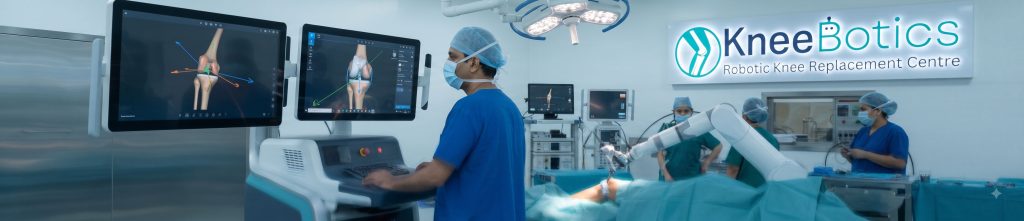
Joint pain can alter your lifestyle and impact your day-to-day activities. Joint replacements offer relief from chronic pain and restore your quality of life. People who have advanced knee osteoarthritis or knee joint damage do not get pain relief and functional improvement from conventional methods like medication, physical therapy and lifestyle changes. Joint replacement can be the last resort for such patients. There have been numerous advances in the field of orthopedics over the last decade. The last few years have seen a surge in the popularity of advanced computer-assisted surgeries. If you are exploring your options in Maharashtra’s financial capital, understanding the differences between robotic total knee replacement in Mumbai and robotic partial knee replacement in Mumbai can help you make an informed choice about your joint health. Why Choose Robotic-Assisted Surgery? A conventional total knee replacement surgery is a tried and tested method to treat end-stage knee osteoarthritis. However, each knee has unique anatomy comprising of varying shapes of the knee bones and ligaments, as well as unique patterns of wear. Conventional methods for knee replacements often rely on a surgeon’s experience, manual alignment and the use of mechanical instruments. The robotic system helps a surgeon align the knee in a more precise manner. Using advanced three-dimensional computer modeling and a special robotic arm, the surgeon can pre-plan the procedure. – Customized Alignment: Robotic systems create a three-dimensional, virtual model of your knee, and can then align the replacement based on that model. – Using advanced surgical technology, knee replacement surgery is performed to relieve pain and improve function in patients with advanced knee arthritis. A total knee replacement is done when multiple compartments (medial, lateral and patellofemoral) of the knee joint are severely arthritic. How it works During a robotic total knee replacement surgery, the surgeon uses a special platform to design the limits of bone removal. The surgeon remains in control of the operation and takes advantage of the robotic system’s precision to refine the surgery. The main benefits of performing total knee replacement with robotics are as follows: 1. Preservation of knee ligaments, 2. Minimized post-operative pain and 3. Faster recovery, allowing the patient to walk a couple hours after the surgery. 4. Potentially, a more natural-feeling knee, as it may last longer. Robotic Partial Knee Replacement in Mumbai Partial knee replacement is preferable in cases when a patient does not require a complete knee replacement. In such cases, generally, osteoarthritis is localized to the inner (medial) compartment of the knee. Why Choose Partial Replacement over Total? In partial knee replacement, only the damaged portion of the knee is removed and replaced with an artificial knee. This keeps the other parts of the knee, i.e. ligaments and other parts, intact. Key Benefits of Robotic Partial Knee Replacement Preservation of Natural Knee Kinematics: Because your natural ligaments are intact, your knee is capable of natural motion, i.e. similar to what you had before. Faster Recovery: As compared to total knee replacement, patients require less time to recover and are discharged earlier. Quick Recovery: As compared to total knee replacement, partial knee replacement patients are able to return to their regular lifestyles, including high impact activities (travel and sports) earlier. Total vs. Partial Knee Replacement: Which One Do You Need? Robertically assisted total knee replacement and partial knee replacement are surgical interventions. Choosing between the two is based on the extent of cartilage deterioration in your joints, the stability of your joints, and other anatomical factors. – Choose Partial Knee Replacement if the arthritic changes are confined to a single compartment, your ligaments are fully intact and your overall knee stability is normal. – Choose Total Knee Replacement if you have worn out multiple knee compartments and other component of the knee i.e. collateral ligaments, meniscal tissue, and joint capsule. Additional evaluations by specialists in robotic-assisted joint replacement and specialized imaging may be necessary to devise the optimal plan. Take the Next Step Toward Pain-Free Mobility Chronic knee pain is often caused by damaged or worn-out knee joints. The first step to eliminating your pain is receiving a proper diagnosis. Next, if you are a good candidate for a partial or total knee replacement, your surgeon will need to determine the exact size and shape of your joint in order to create a prosthesis that will function best for you. Thanks to robotic technology, surgeons are now able to create a precise treatment plan specific to each individual. If you or a loved one is considering a robotic total knee replacement or robotic partial knee replacement in Mumbai, make sure you consult a specialist who uses the latest, state-of-the-art systems to deliver predictable, high-precision results. NAP – Kneebotics Business Name: Kneebotics – Robotic Joint Replacement Center Address: Plot No. 3, S V Road, Punit Nagar, Borivali West, Mumbai, Maharashtra 400092 Phone: +91 93727 37914 Email: drkunalpatel@gmail.com The address and appointment details are listed on the official Kneebotics contact page. Follow Kneebotics on Social Media Facebook: https://www.facebook.com/KneeBotics Instagram: https://www.instagram.com/kneebotics/
Why Choose Robotic Knee Replacement? Insights from Mumbai’s Leading Surgeons
Persistent knee pain can dramatically change the way you live your life. Eventually activities such as walking, climbing stairs, getting up from a chair and standing for long periods can become difficult. While knee arthritis and severe joint damage may be treated with conservative methods such as medications, Physio therapy and lifestyle modifications, surgery may become inevitable. The field of orthopaedics has improved and so has the technology. Robotic surgery has improved knee care. Robotic knee replacement in Mumbai has orthopaedic surgeons who, along with their years of experience, plan surgeries using Robotic and computer technologies. This helps them improve accuracy during selected knee replacements. You may have many questions about robotic assistance. Is it better than conventional knee replacement? Is it right for you? Before making a final decision, there are a few things you should know. Things To Know Before Opting For Robotic Knee Replacement Robotic assistance does not mean a robot performs surgery. The surgeon is always in control. Robotic technology is a powerful tool to help perform surgeries. Based on the system in use, it may provide the surgeon with real time information during the surgery to help with aspects such as bone preparation and implant positioning. The overall goal is to keep the surgery as controlled and as personalized as possible. Before making your final decision, you should do your own research and find out what else is out there. The amount of arthritis, the shape of your bones, the condition of your ligaments, the alignment of your limbs and the overall health of your joints can vary a lot from person to person. As knee replacement surgery is increasingly being guided by robotic technology, surgeons can expect to have additional information when planning and performing surgery. Some benefits may include: 1. More Individualized Surgical Planning Knee replacement surgery, typically, relies on averages and standards, and may not always account for the individual variances that are present in each patient’s anatomy. Robotic technology aids in the creation of a more individualized treatment plan. This may allow surgeons to better assess the positioning and alignment of components during surgery. 2. More Accurate Bone Preparation In a similar manner, the technology may assist in the achievement of the planned cuts to the bone to better reflect the individual’s anatomy, especially if precise positioning is essential for a well-balanced knee. 3. More Accurate Implant Positioning The function of a knee replacement is dependant on the alignment and position of the implant. With this technology, the surgeon has the option of receiving more information to assist in reaching the desired position of the implant. 4. Preservation of Healthy Bone and Tissue In selected cases, the technology can aid in achieving a more controlled and individualized bone preparation. This is especially applicable in a partial knee replacement where healthy bone may be preserved. Support for More Individualized Approach A key difference with robotic-assisted knee surgery is that every surgical plan is customized based on the anatomy and joint condition of the patient. Because of this, robotic systems have transformed the way various joint replacements are performed. Total versus Partial Knee Replacement The other major factor to consider is whether a patient requires a total or partial knee replacement. Total Knee Replacement Total knee replacement is indicated if arthritis or other joint damage is present in more than one area of the knee joint. During surgery, damaged areas of the knee joint are replaced with an artificial joint. The knee joint is then lined with a plastic spacer. Using a robotic system can aid the surgeon in planning the surgery, prepping the bone and positioning the implants. Partial Knee Replacement Partial knee replacement may be considered when arthritis is present in only a single area of the knee joint and the other areas of the joint can be retained. The goal of the surgery is to replace only the damaged portion of the knee joint. The healthy bone and joint structures can be preserved. This may result in a smaller and less invasive surgery with potentially better and quicker rehabilitation. However, this may not always be the case and there are several factors that must be considered prior to surgery. Who May Be a Candidate for Robotic Knee Replacement? Robotic assistance may not always be the best choice for every patient. Your surgeon may consider it if you have: Advanced knee osteoarthritis Persistent knee pain that limits your daily activities Knee stiffness and/or limited range of motion Knee deformity and/or malalignment Joint damage that has not improved with non-surgical treatment A medical condition for which knee replacement is recommended For Robotic partial knee replacement in Mumbai, specific criteria are considered. Usually, arthritis needs to be confined to a specific knee compartment and the other structures and ligaments of the knee joint need to be normal and healthy enough to preserve. A thorough physical examination and appropriate diagnostic tests are done to determine the type of surgery to be performed. Is Robotic Knee Replacement Better Than Conventional Surgery? This is one of the most frequent questions that patients have. Better results do not always depend on the use of advanced technology in surgery. Success of knee replacement mainly depends on: The surgeon’s correct assessment of the problem The surgeon’s experience and skills Judgment in deciding about the right patient for the surgery Selection of appropriate implant Correct surgical technique General health of the patient Intensity of physiotherapy and rehabilitation Adherence to post-operative instructions For some patients, a traditional (conventional) knee replacement may be more appropriate. A good, experienced surgeon will make the decision based on the patient condition and not on the technology because of its recent advancement. What Can Patients Expect During Their Procedure? Although the exact process varies with different robotic platforms and types of replacement, the overall process generally consists of the following steps. Step 1: Detailed Evaluation During this step, the surgeon reviews the patients symptoms and history as well as performs a physical examination and reviews
The Use of Robotic Technology for Partial Knee Replacement in Mumbai
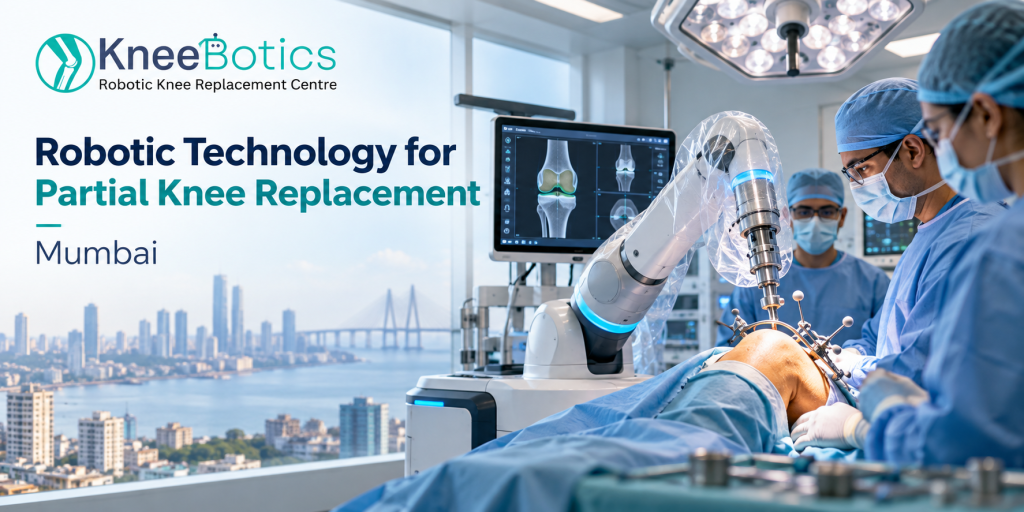
Knee pain is a condition that can affect your ability to perform daily activities and decrease your quality of life. Individuals with knee arthritis or people with knee injury or damage who have knee prosthesis or implants can benefit from partial knee replacement. Robotic technology can aid partial knee replacement surgery and with its help surgeons can achieve better results. With increasing growth in the field of orthopedics, partial knee replacement surgery is increasingly becoming common. Patients who want to get Robotic Partial Knee Replacement in Mumbai should know the advantages of robotic technology and how it helps in surgical planning. This information can help them have a meaningful discussion with their surgeon. What is Partial Knee Replacement? The knee has three compartments; medial, lateral and patellar (in front). Partial knee replacement means replacing only the involved and affected knee compartment. Not everybody is eligible for this surgery and many factors are considered before recommending this surgery. These factors include; the location of arthritic changes in the knee, general health of the individual, level of activity and function of the knee, stability of the knee joint, and other medical conditions that the individual may have. How does Robotic Technology Work? During partial knee replacement surgery, in addition to using a robotic arm to assist with surgery, a surgeon can create a virtual model of a patient’s knee and plan the surgery based on the anatomical issues of the knee. Based on the robotic system being used, the surgeon can determine how best to correct the anatomical issues of the knee. The technology can show the surgeon step-by-step details during a procedure. This may allow the surgeon to perform tasks such as making specific cuts in bone and placing implants. Although the robotic system helps with these tasks, the surgeon ultimately controls the system and makes all decisions regarding the procedure. Customized Surgical Planning Because of differences in knee anatomy, there is no single ideal approach for everyone. The use of robotic systems in surgery allows the surgeon to consider more personalized approaches. This technology may aid the surgeon during Robotic Partial Knee Replacement surgery in Mumbai in attaining the planned position and alignment of the implants. It may also assist the surgeon with determining the best implant position and balance during the procedure. In addition to the advantages of partial knee replacement over total knee replacement, partial knee replacement may also allow patients to recover and resume normal activities of daily living faster than patients undergoing total knee replacement. Features of Robotic Knee Surgery Robotic Knee Surgery in Mumbai utilizes advanced technology to assist the surgeon during partial knee replacement. Some benefits may include: improved planning of surgery and positioning of the knee implants, and better balance of the knee. Using robotics for surgical assistance will not always result in the best possible outcome for the patient. There are variables to consider when a surgeon decides the most appropriate approach for a patient, and typically an orthopedic specialist makes that call. Finding the Best Orthopedic Specialist When researching orthopedic surgeons for a partial knee replacement, consider if they have experience with robotic-assisted surgeries and how comfortable they are with partial knee replacements in general. Additionally, the hospital should have the necessary diagnostics and rehabilitation services. Ask yourself how well-prepared the hospital is to address possible complications, and how comfortable they are with follow-up and support after surgery. Additionally, some surgeons may consider recommending robotic-assisted surgery to perform partial knee replacements. Be sure to ask your surgeon about the pros and cons of surgery, and what other options may be available. Making an Informed Treatment Decision Robotic technology has added new tools for surgical planning and precision in selected knee replacement procedures. For patients with arthritis limited to a specific part of the knee, robotic-assisted partial knee replacement may be an option worth discussing with an experienced orthopedic surgeon. If you are considering robotic knee surgery in Mumbai, begin with a comprehensive orthopedic evaluation. Understanding your condition, available treatment options, potential benefits, limitations, and rehabilitation requirements can help you make a well-informed decision about your knee health. NAP – Kneebotics Business Name: Kneebotics – Robotic Joint Replacement Center Address: Plot No. 3, S V Road, Punit Nagar, Borivali West, Mumbai, Maharashtra 400092 Phone: +91 93727 37914 Email: drkunalpatel@gmail.com The address and appointment details are listed on the official Kneebotics contact page. Follow Kneebotics on Social Media Facebook: https://www.facebook.com/KneeBotics Instagram: https://www.instagram.com/kneebotics/ If you are searching for the Best Knee Replacement Surgeon in Mohali, then click here
What You Should Know About Robotic-Assisted Knee Replacement Surgery in Mumbai

Joint discomfort can make everyday tasks around the house and at work difficult. This can include simple tasks like going for a walk or a jog, going up the stairs, and even getting out of the chair. If conservative treatments of your knee joint do not work, you may need to consider a knee replacement surgery. Thankfully, innovations in technology can help patients even further. With robotic knee replacement surgery, a patient may benefit from the aid of a surgeon in combination with a robotic system. This type of surgery is a precision guided system that helps your doctor address the joint replacement surgery. If you are considering robotic knee replacement in Mumbai, understanding how the surgery works, prepping for the surgery, potential benefits of the surgery, and expected recovery time may help you formulate questions to ask your doctor. What Happens during Robotic-Assisted Knee Replacement Surgery? Robotic-assisted systems help a surgeon in surgery planning and provide a surgeon with information during the surgery. This system, however, does not perform the surgery. The surgeon is in complete control of the surgery at all times. For whom is Knee Replacement Surgery? Knee replacement surgery is performed when there is significant damage to the knee joint. This damage may be caused by a number of reasons including, but not limited to, a serious injury to the joint, rheumatoid arthritis, osteoarthritis, or other conditions which result in a significant loss of cartilage in the joint. A referring physician may request a surgical evaluation when conservative management is inadequate to alleviate a patient’s symptoms. The orthopedic surgeon will review the patient’s symptoms and the results of previous imaging, in addition to the patient’s history, physical exam, and overall functional status. The orthopedic surgeon may perform or order additional diagnostic studies. If therapy is prescribed, it may be physical therapy, occupational therapy,speech therapy or a combination. Medications may be prescribed or changed. Diet, fitness level and weight may be a factor in surgery as well as activity level. Surgery may be recommended to alter a deformity, gait, improve an impaired function or a malalignment. Other factors may be pain, weakness, instability, stiffness or a limitation in range of motion. The expected benefits of a surgical procedure need to outweigh the potential risks of a surgical procedure. Decision Making Before Robotic Knee Replacement A number of other factors need to be taken into account prior to scheduling a knee replacement surgery. During your appointment with the surgeon, find out why the surgeon thinks surgery is the best option for you. In addition, ask about potential risks, benefits and other options. Make a list of questions to bring with you to the appointment. It is important to also consider the expected duration of your recovery. The duration of your recovery will be largely dependent on the therapy you receive and your compliance with the therapy. It is important to choose a best robotic surgeon in Mumbai with the necessary expertise and experience with the type of procedure you are having. In addition, you should choose a hospital with a competent, caring staff. The hospital should have state of the art equipment and be well equipped to assist you following your surgery. Understanding Recovery Recovery times vary case by case following a knee replacement surgery. Generally speaking, it is encouraged for patients to begin rehabilitation and initiate movement post surgery. Physical therapy may help restore and build flexibility, balance, and strength of your knee joint. Following your surgeon’s post surgery recovery plan, attending your follow up appointments, completing your course of prescription, and slowly but surely increasing your movement and activity helps aid in the recovery process. Pushing your recovery too quickly can be a detriment to the process. Make sure you speak up to your healthcare team should you experience any unusual symptoms. Make an Informed Decision Robotic knee replacement is an advanced technology that can benefit some patients, but it is not always the best option. Each case is assessed on an individual basis. If you live in Mumbai and are considering this type of surgery, it is best to seek the opinion of an experienced orthopedic surgeon to learn about your options and evaluate the pros and cons of the surgery. The right surgeon will help you better understand what to expect and put your mind at ease regarding your surgery. NAP – Kneebotics Business Name: Kneebotics – Robotic Joint Replacement Center Address: Plot No. 3, S V Road, Punit Nagar, Borivali West, Mumbai, Maharashtra 400092 Phone: +91 93727 37914 Email: drkunalpatel@gmail.com The address and appointment details are listed on the official Kneebotics contact page. Follow Kneebotics on Social Media Facebook: https://www.facebook.com/KneeBotics Instagram: https://www.instagram.com/kneebotics/ If you are searching for the Best orthopedic doctor in tricity, then click here
