
When to Consult a Robotic Surgeon in Mumbai: Indications and Benefits
Chronic knee pain can be debilitating, stealing your mobility and significantly impacting your quality of life. For many, the relentless ache, stiffness, and reduced function become a daily struggle, making simple activities feel like monumental tasks. While conservative treatments often provide initial relief, there comes a point for some individuals when surgical intervention becomes the most viable path toward lasting comfort and restored movement. In the ever-evolving landscape of medical advancements, robotic knee replacement has emerged as a transformative approach, offering unparalleled precision and potentially superior outcomes. For residents of Mumbai seeking cutting-edge solutions, understanding when to consult a robotic surgeon can be the first step towards a healthier, more active future.
At Kneebotics, we specialize in advanced orthopedic care, leveraging state-of-the-art robotic technology to deliver personalized knee replacement solutions. Our lead surgeon, Dr. Rohan Sharma, M.S. (Ortho), F.A.O.A. (Robotic Arthroplasty), is a distinguished orthopedic surgeon with extensive experience in robotic-assisted joint replacement. Dr. Sharma’s expertise, honed through advanced fellowships in robotic arthroplasty, ensures that patients receive world-class care grounded in both clinical excellence and the latest evidence-based practices.
Understanding Knee Pain and the Need for Intervention
Before considering any surgical option, it’s crucial to understand the underlying causes of persistent knee pain and when conventional treatments might no longer be sufficient.
Common Causes of Chronic Knee Pain
Chronic knee pain typically stems from conditions that degrade the knee joint over time. The most prevalent causes include:
- Osteoarthritis (OA): This degenerative “wear and tear” arthritis is the most common reason for knee replacement. It occurs when the protective cartilage on the ends of your bones wears down over time, leading to bone-on-bone friction, pain, swelling, and stiffness.
- Rheumatoid Arthritis (RA): An autoimmune disease that causes the body’s immune system to attack its own tissues, including the lining of the joints. RA can lead to chronic inflammation, pain, and severe joint damage.
- Post-Traumatic Arthritis: Arthritis that develops after a knee injury, such as a fracture, ligament tear, or meniscus damage. Even if the injury heals, the joint surface may have been damaged, leading to accelerated wear and tear.
- Other Inflammatory Arthropathies: Conditions like psoriatic arthritis or gout can also cause significant knee joint damage.
When Conservative Treatments Aren’t Enough
Initially, most patients manage knee pain with non-surgical methods, which may include:
- Medications (pain relievers, anti-inflammatories)
- Physical therapy and exercise
- Weight management
- Injections (corticosteroids, hyaluronic acid)
- Assistive devices (canes, walkers)
While these treatments can provide significant relief for many, their effectiveness can diminish as the joint degeneration progresses. When pain persists despite these efforts, severely limits daily activities, and significantly impacts quality of life, it’s a strong indicator that surgical options should be explored.
The Promise of Robotic Knee Replacement
Robotic-assisted knee replacement represents a significant leap forward in orthopedic surgery, offering a level of precision and customization previously unattainable. It’s a method that enhances the surgeon’s capabilities, leading to potentially better patient outcomes.
What is Robotic-Assisted Knee Replacement?
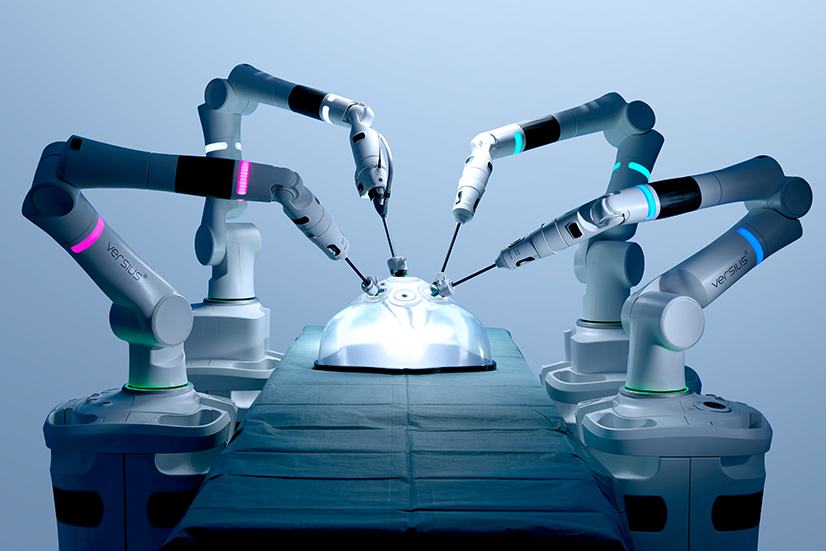
Robotic knee replacement is not surgery performed by a robot independently, but rather a procedure where a highly skilled orthopedic surgeon, like Dr. Rohan Sharma, utilizes a robotic arm or system as a sophisticated tool. This technology provides the surgeon with real-time data and guidance, allowing for incredibly precise planning and execution of the surgery. The surgeon remains in full control throughout the entire process, with the robotic system acting as an extension of their expertise, ensuring accuracy down to fractions of a millimeter.
Precision Planning with Advanced Technology
One of the most significant advantages of robotic knee replacement in Mumbai begins even before the surgery itself. It involves:
- Pre-operative CT Scan: A detailed 3D image of your knee is created using a CT scan.
- Personalized Surgical Plan: This 3D model allows the surgeon to create a highly accurate, individualized surgical plan for your specific anatomy. They can virtually place the implant, determine the optimal size and position, and analyze how it will interact with your ligaments and soft tissues before even making an incision. This customization is key to a well-balanced and stable knee.
- Real-time Adjustments: During the procedure, the robotic system provides dynamic feedback, allowing the surgeon to make micro-adjustments and confirm the precise fit and alignment of the implant.
The Surgical Process: How Robotics Enhance Outcomes
During a robotic knee replacement, the surgeon uses the pre-operative plan to guide the robotic arm. The system creates a virtual boundary that prevents the surgeon from cutting outside the planned area, ensuring only the damaged bone is removed. This high level of precision translates to:
- More accurate bone cuts, leading to better implant alignment.
- Precise balancing of the knee ligaments, crucial for stability and natural movement.
- Optimal implant positioning, which can contribute to the longevity of the knee replacement.
Key Benefits of Choosing Robotic Knee Replacement in Mumbai
Patients considering robotic knee replacement in Mumbai can look forward to several compelling advantages over traditional methods, backed by increasing clinical evidence.
Enhanced Surgical Accuracy and Alignment
The hallmark benefit of robotic assistance is its unparalleled precision. Studies consistently show that robotic systems lead to more accurate bone cuts and improved alignment of the prosthetic components compared to conventional manual techniques. This superior accuracy is critical for a well-functioning knee and can reduce the risk of complications such as instability or accelerated wear, potentially extending the life of the implant.
Potentially Faster Recovery and Reduced Pain
While recovery varies by individual, many patients undergoing robotic knee replacement report several significant post-operative advantages:
- Reduced Postoperative Pain: The precise nature of robotic surgery often results in less trauma to surrounding healthy tissues, leading to less pain after the procedure.
- Quicker Mobilization: Patients often feel comfortable enough to start weight-bearing and physical therapy sooner.
- Shorter Hospital Stays: The minimally invasive nature and reduced trauma can contribute to a shorter stay in the hospital, allowing patients to return home sooner.
- Faster Return to Daily Activities: A smoother recovery trajectory often means patients can get back to their normal routines and cherished activities more quickly.
Customized Fit for Improved Longevity
Every knee is unique. Robotic technology allows for a truly personalized surgical plan tailored to your specific anatomy and biomechanics. This customized approach ensures the prosthetic joint is implanted in the optimal position and orientation for your body, leading to a more natural feel, better function, and potentially greater longevity of the implant. A well-aligned and balanced knee is less prone to early loosening or wear.
Minimally Invasive Approach (Often)
While robotic surgery is not always synonymous with “minimally invasive” in terms of incision size (which can vary), the precision it offers minimizes disruption to surrounding soft tissues. By preserving more of the healthy tissue around the joint, patients can experience less post-operative swelling, scarring, and discomfort, facilitating a more comfortable recovery.
When to Consult a Robotic Knee Surgeon in Mumbai
Knowing when it’s time to seek specialized advice is crucial. If you’re experiencing any of the following, it might be time to consider a consultation with a robotic knee surgeon like Dr. Rohan Sharma:
Persistent Pain and Stiffness
If your knee pain is constant, severe, and not relieved by rest or medication, and is accompanied by significant stiffness, especially after periods of inactivity or in the mornings, it’s a strong indicator of advanced joint degeneration. The pain may interfere with sleep and make simple movements excruciating.
Significant Impact on Daily Life
When your knee pain prevents you from performing everyday activities such as walking, climbing stairs, standing for extended periods, or engaging in hobbies you once enjoyed, it’s severely impacting your quality of life. If you find yourself limiting social activities or even struggling with self-care due to knee pain, it’s time to explore advanced treatment options.
Failure of Non-Surgical Treatments
If you’ve diligently tried various conservative treatments—including medications, physical therapy, injections, and lifestyle modifications—for several months and continue to experience debilitating pain and limited function, surgical intervention might be the next logical step. A consultation can help determine if you’re a candidate for robotic knee replacement in Mumbai.
Age and Health Considerations
While there’s no strict age limit for knee replacement, generally, candidates are those whose skeletal maturity is complete and whose overall health allows them to undergo surgery and participate in rehabilitation. Your surgeon will assess your general health, medical history, and specific knee condition to determine if robotic knee replacement is a safe and appropriate option for you.
What to Expect During Your Consultation
When you consult with Dr. Rohan Sharma at Kneebotics, you can expect a thorough and compassionate evaluation designed to understand your unique needs and goals.
Comprehensive Evaluation
Your consultation will involve:
- A detailed review of your medical history and symptoms.
- A physical examination of your knee to assess range of motion, stability, and tenderness.
- X-rays of your knee to evaluate the extent of cartilage damage and bone deformity. Additional imaging like an MRI or CT scan may be ordered if needed.
- Discussion about your lifestyle, activity levels, and expectations for recovery.
Discussing Your Treatment Options
Based on the comprehensive evaluation, Dr. Sharma will discuss whether robotic knee replacement is the right choice for you. He will explain the procedure in detail, including the benefits, potential risks, and expected recovery timeline. You’ll have ample opportunity to ask questions and make an informed decision about your path to regaining mobility and living pain-free.
Frequently Asked Questions (FAQ)
Q1: Is robotic knee replacement more expensive than traditional knee replacement in Mumbai?
A: The cost of robotic knee replacement can sometimes be slightly higher than traditional methods due to the advanced technology involved. However, many patients and surgeons find that the potential benefits, such as enhanced precision, potentially faster recovery, and improved long-term outcomes, often outweigh the initial cost difference. It’s best to discuss specific cost details and insurance coverage with our patient coordination team during your consultation.
Q2: How long does the recovery from robotic knee replacement typically take?
A: Recovery times vary based on individual health, adherence to physical therapy, and the extent of pre-existing conditions. However, many patients undergoing robotic knee replacement experience a faster initial recovery compared to traditional surgery. Most patients can walk with assistance within a day or two and engage in light activities within a few weeks. Full recovery, including the ability to return to most normal activities, typically takes 3 to 6 months. A dedicated physical therapy program is crucial for optimal results.
Q3: Does robotic knee replacement mean a robot performs the entire surgery?
A: No, absolutely not. Robotic knee replacement is a surgeon-assisted procedure. The robotic system is a highly advanced tool that enhances the surgeon’s precision and control. The skilled orthopedic surgeon, like Dr. Rohan Sharma, remains in complete control throughout the entire operation, making all critical decisions and guiding the robotic arm. The robot provides real-time data and safeguards, ensuring that the surgical plan is executed with utmost accuracy and safety.
If you’re struggling with chronic knee pain and believe robotic knee replacement might be the solution you’ve been searching for, don’t delay. Take the first step towards a life with less pain and greater mobility.
Contact Kneebotics today to schedule your consultation with Dr. Rohan Sharma and explore the benefits of robotic knee replacement in Mumbai. Your journey to a healthier knee begins here.
